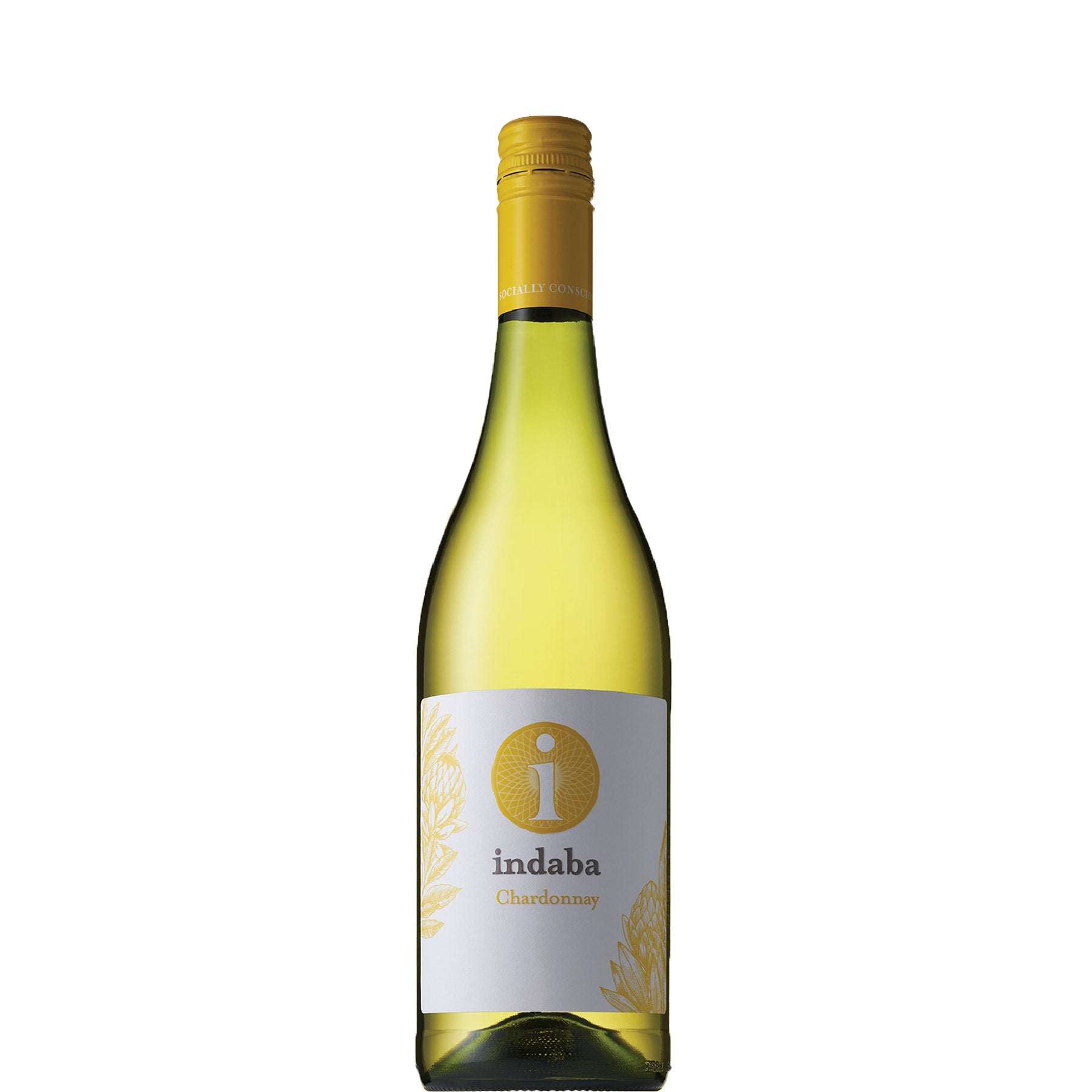

- White Still
- 75.0cl
- 13.5%
- Chardonnay
Indaba is one of South Africa's most reliably crowd-pleasing labels, and their Western Cape Chardonnay is a fine example of what the Cape does so well at this level: ripe, sunny fruit kept honest by good natural acidity. Expect peach, citrus, and a gentle touch of vanilla from light oak treatment — nothing overwrought, nothing trying too hard. It's a wine that knows exactly what it is.
Drink it young and cold, ideally within the next year or two. This is a straightforward, honest Chardonnay that rewards a corkscrew sooner rather than a cellar later — the kind of bottle you open on a Tuesday without thinking twice, and finish without regret.
- ❖ ABV: 13.5%
Grapes
Chardonnay
Vintage report
The 2025 harvest in the Western Cape is still so recent that the full picture is only beginning to come into focus — most wines are barely out of barrel, and definitive assessments will take time to settle. What we do know from early reports is that the season was broadly favourable, with good winter rainfall replenishing water tables that had been under stress in previous years, and a growing season that avoided the kind of extreme heat events that can strip freshness from white varieties or push reds into over-ripeness. Picking windows appear to have been well-timed across the key appellations.
Early indications suggest 2025 has produced whites — particularly Chenin Blanc and Sauvignon Blanc from Swartland and the Cape Peninsula — with real clarity and tension, while Syrah and Cabernet-based reds from Stellenbosch and Franschhoek look structured without being austere. We would expect most whites to drink well from release, with the better reds rewarding a few years of patience. As more wines reach bottle, we will update this note — but the early signs are genuinely encouraging.
Tasting Notes
AppearancePale gold with bright, clear highlights and good viscosity for the weight.
NoseGenerous and upfront, with ripe white peach, lemon curd, and a soft whisper of toasted vanilla. There is a faint tropical edge — pineapple, perhaps — that signals warm-climate fruit without overdoing it.
PalateMedium-bodied and smooth, with the peach and citrus fruit carrying through cleanly from the nose. Acidity is bright enough to keep things lively, and the oak sits in the background rather than the foreground — which is exactly where it should be at this price point.
FinishClean and reasonably persistent, with a citrus note that lingers pleasantly without outstaying its welcome.
Overall impressionAn honest, well-made Chardonnay built for drinking now, not pondering over.
Food Pairings
In the Cape, this style of Chardonnay is the natural partner for a braai that leans towards seafood — think grilled yellowtail with lemon butter, or crayfish pulled straight from the coals. It would sit happily alongside a creamy Cape Malay chicken curry, where the spice is warm rather than fierce and the sauce has enough richness to match the wine's body. Simple grilled chicken, corn on the cob, and a good potato salad is the kind of unfussy pairing where this wine genuinely shines.
We think this wine would go well with
Serve well chilled at around 10-11°C — this is not a wine that benefits from warming up in the glass. No decanting needed; just pour and enjoy. A standard white wine tulip glass works perfectly well here; nothing wider or more dramatic is required.
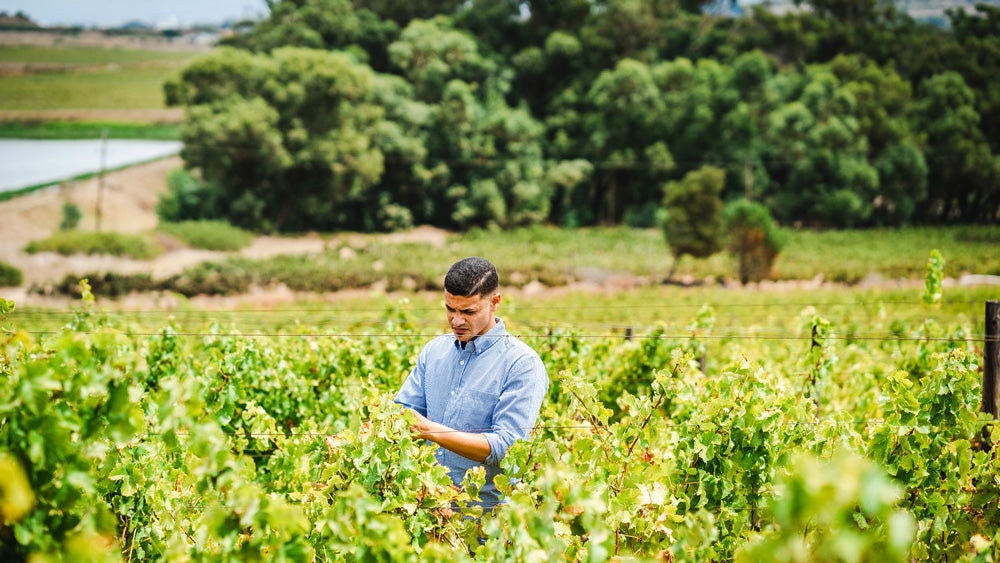
Fruit for the Indaba Chardonnay is sourced from across the Western Cape, a broad appellation that pulls in grapes from cooler coastal pockets and warmer inland valleys alike. The diversity of sources gives the winemaking team flexibility to balance ripeness with freshness. Coastal influence from the Atlantic keeps acidity intact even in warmer vintages, which is what stops this style from feeling flabby or overripe.
The Western Cape Wine of Origin designation is the broadest in South Africa, covering the majority of the country's wine-producing regions and allowing producers to blend fruit from multiple areas within it. It sits above more specific appellations like Stellenbosch or Swartland, and gives winemakers considerable latitude in sourcing. For producers working at volume with a focus on consistency and value, it is the most practical designation available — and at this level, it works.
The 2025 harvest in the Western Cape is still so recent that the full picture is only beginning to come into focus — most wines are barely out of barrel, and definitive assessments will take time to settle. What we do know from early reports is that the season was broadly favourable, with good winter rainfall replenishing water tables that had been under stress in previous years, and a growing season that avoided the kind of extreme heat events that can strip freshness from white varieties or push reds into over-ripeness. Picking windows appear to have been well-timed across the key appellations.
Early indications suggest 2025 has produced whites — particularly Chenin Blanc and Sauvignon Blanc from Swartland and the Cape Peninsula — with real clarity and tension, while Syrah and Cabernet-based reds from Stellenbosch and Franschhoek look structured without being austere. We would expect most whites to drink well from release, with the better reds rewarding a few years of patience. As more wines reach bottle, we will update this note — but the early signs are genuinely encouraging.
FAQs
What does this Chardonnay taste like?
Ripe and approachable, with white peach, lemon curd, and a gentle vanilla note from light oak. The acidity keeps it fresh and the finish is clean. Think Cape sunshine in a glass, without any of the heaviness that sometimes comes with warmer-climate Chardonnay.
When should I drink it?
Now. This is not a wine for the cellar — it is at its best in 2026 and will stay enjoyable until around 2027 or 2028, but there is nothing to gain from waiting. Open it, chill it, enjoy it.
What food should I pair it with?
Grilled fish, roast chicken, creamy pasta, or a good potato salad. It is versatile enough to handle a mild curry and honest enough to work without food at all. Nothing too rich or too intensely flavoured.
How should I serve it?
Well chilled, at around 10-11°C. No decanting needed — just pour straight from the fridge. A standard white wine glass is all you need.
Is this worth cellaring?
No — and there is no shame in that. This Chardonnay is made for near-term pleasure, not long-term ambition. The fruit is the point, and it will not improve with age. Drink it while it is lively.
Where do the grapes come from?
Fruit is sourced from across the Western Cape, South Africa's broadest wine appellation, drawing on grapes from multiple regions to give the winemaking team flexibility on balance and freshness. It is a volume-driven approach, but one that Indaba executes with consistent reliability.
Want to know more?
Discuss your requirements with our account managers, Jeremy & Jen
-
Personal Service
- Our team are always on hand to support you, taking orders online, by phone or email & responding to urgent requests.
- Our efficient warehouse & team of drivers always go the extra mile to deliver our wines to you.
- Our new, high-capacity warehouse ensures excellent availability of wines.
- Our new enterprise platform means hassle-free service, from inventory to billing.
-
Our Sales Team
Speak to one of our teamJeremy Cowan
After managing his own stores and a further stint in independent retail, Jeremy has dedicated 12 years to trade sales in the North West.
Jen Neilan
Twenty years in hospitality later, after curating the wine list for Manchester’s first Neapolitan pizza restaurant, and running a natural wine bar, Jen made the move to the other side of the table.