

Côte De Nuits Villages, Jane Eyre, 2021
Côte De Nuits Villages, Jane Eyre, 2021
- Red Still
- 75.0cl
- 13.0%
- Pinot Noir
Jane Eyre’s Côtes de Nuits-Villages 2021 is a confident, assured wine and a powerful opening statement in the range. Drawn from well-sited vineyards in this highly regarded appellation, it's deep and dark in character, showing juicy, rich, almost chocolate-tinged berry fruit with real intensity. Despite the concentration, it remains fresh and energetic, the tannins carrying a spicy edge and the acidity keeping everything finely balanced.
This is ideal with herb-crusted lamb cutlets, duck breast with cherry or blackberry sauce, or a mushroom and lentil ragù. Its depth and spice also make it a great match for slow-cooked beef or game, while the freshness keeps it surprisingly versatile at the table.
- ❖ ABV: 13.0%
Grapes
Pinot Noir
Vintage report
The 2021 growing season in Burgundy started badly and got worse before pulling off one of wine's great escapes. Spring frost in April devastated vineyards across the Côte d'Or, followed by a summer that alternated between biblical downpours and scorching heat. Many producers lost 50% or more of their crop to the frost alone, then watched hail batter what remained in some unlucky villages. By August, with rot creeping through rain-soaked vineyards, even the most optimistic vignerons were writing off the vintage. What emerged from this chaos surprised everyone: wines with remarkable freshness and purity, if you can find them. The tiny yields meant those grapes that survived were intensely concentrated, while the September sunshine saved the day with perfect ripening conditions. We find the reds show beautiful fruit clarity without heaviness, drinking with an immediacy that makes them irresistible now but promising a decade or more of evolution. The whites are particularly stunning, with a mineral intensity that cuts through their richness. Yes, there's not much 2021 Burgundy about, and yes, it's expensive, but this is one of those vintages where disaster bred greatness.
Tasting Notes
AppearanceBright medium ruby, lively and clear with a translucency that speaks to the vintage's lightness of touch.
NoseInky blue and red berries — blackcurrant, bilberry, a little fresh cherry — with a lift of Christmas spice in the background. Five years on, the primary fruit has knitted together, picking up a subtle dried-floral note and a whisper of undergrowth. No oak to distract, just pure Pinot.
PalateFocused and precise, with bright red fruit at the core and a supple, almost pastille-like mid-palate that belies the vintage's reputation for austerity. There's real depth here — more than the wine's modest appellation might suggest — and the tannins have softened into something genuinely harmonious. The complete destemming keeps it clean and direct.
FinishPersistent and mineral, with a saline, stony quality that lingers longer than you'd expect.
Overall impressionA four-barrel wine that punches well above its appellation weight — and continues to grow into itself.
Food Pairings
In the villages of the Côte de Nuits, this style of Pinot Noir would traditionally sit alongside oeufs en meurette — eggs poached in red wine sauce with lardons and pearl onions — or a simple roast guinea fowl with thyme. A coq au vin made with local wine and served with buttered tagliatelle is the classic pairing for good reason: the wine's bright acidity cuts through the richness without overwhelming the dish. Cheese plays a big role too; a young Époisses, before it gets too pungent, or a wedge of Comté aged twelve months are both fine companions. And on a good evening in Burgundy, nobody objects to a plate of charcuterie and some cornichons.
We think this wine would go well with
Serve at 16°C — any warmer and you'll lose the freshness that makes this wine tick. A brief decant of 20 to 30 minutes will help it open up and express those red fruit and spice characters more freely; it doesn't need long. Use a standard Burgundy bowl — wide enough to let the aromatics breathe, but not so large that the wine's relatively delicate frame gets lost.
Côtes de Nuits Villages draws from the northern and southern fringes of the Côte de Nuits, with vineyards around Fixin, Brochon, Prémeaux-Prissey, and Comblanchien sitting on limestone-rich soils with clay and marl subsoils. The elevation and aspect vary across these satellite communes, but the limestone bedrock — the same geological backbone that defines the great villages further south — gives wines their structure and mineral grip. Summers in this part of Burgundy can be warm, but the altitude and exposure keep freshness intact. In a lighter vintage like 2021, that combination of cool nights and good drainage produces wines of real precision rather than weight.
Côtes de Nuits Villages is Burgundy's quietly industrious appellation, sitting a rung below the village appellations of the Côte de Nuits proper. It covers five communes — Fixin, Brochon to the north, and Prémeaux-Prissey, Prissey, and Comblanchien to the south — and produces Pinot Noir reds and a tiny amount of white. The rules are the same as any serious Burgundy AOC: low yields, hand-harvesting encouraged, Pinot Noir as the sole red grape. Prices are a fraction of what you'd pay for a Gevrey or Nuits-Saint-Georges, but from the right producer the quality gap is smaller than most people expect.
FAQs
What does this wine taste like?
Bright red and blue fruits — think blackcurrant and fresh cherry — with a touch of Christmas spice and a focused, mineral finish. It's precise rather than generous, built on freshness and purity rather than weight. The complete destemming keeps it clean and direct.
When should I drink this wine?
It's drinking well now and has been for a year or two, but it still has room to grow. We'd say the window runs comfortably until 2032, with a probable sweet spot around 2027 to 2030. Jane draws the parallel with the 2007 vintage, which aged longer and more gracefully than most expected — so don't be in too much of a rush.
Is it worth cellaring?
Yes, genuinely. The 2021 vintage was initially underestimated in Burgundy — lighter, more fragrant, less immediately showy than the concentrated 2020s — but it's proving to have real staying power. Jane's winemaking here is minimal and precise, which gives it the structural integrity to age. A few more years in the rack will repay the patience.
What food should I pair it with?
This is a natural match for classic Burgundian cooking: oeufs en meurette, roast guinea fowl, coq au vin. It also works beautifully with a twelve-month Comté or a young Époisses. Keep the food relatively understated — this wine doesn't need to compete.
How should I serve it?
At around 16°C — cooler than most people serve red wine, but it preserves the freshness that makes it so appealing. Decant for 20 to 30 minutes and use a standard Burgundy bowl. Nothing complicated required.
Who is Jane Eyre and why should I know her?
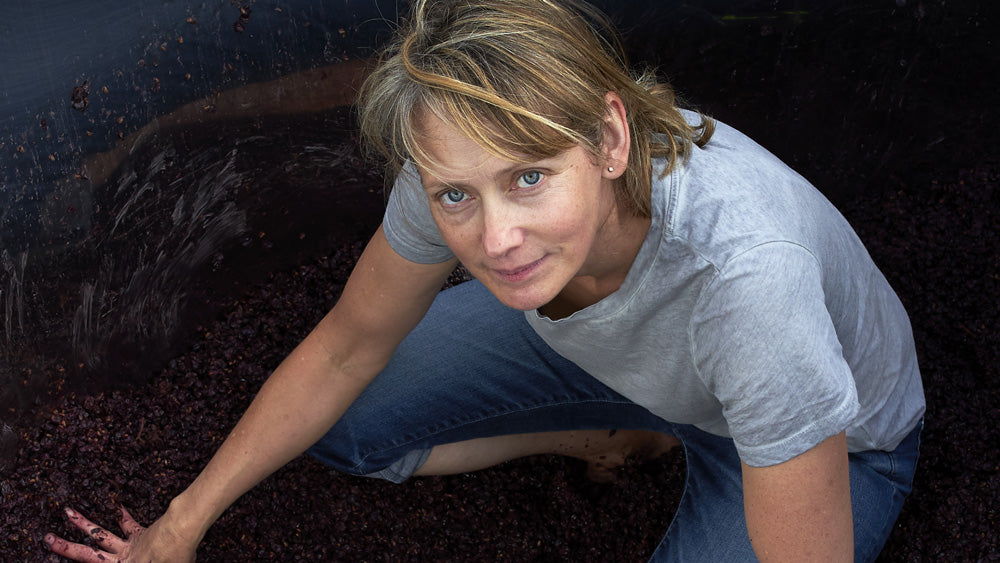
Jane is a small-production Burgundy vigneron working in tiny quantities — four barrels of this wine in 2021, rather than her usual ten. She uses no new oak, which means nothing is masking the fruit or the vintage character. She's not a famous name, but that's rather the point: this is the kind of discovery that makes independent wine buying worthwhile.
Want to know more?
Discuss your requirements with our account managers, Stephanie, Ed, & Jen

-
Personal Service
- Our team are always on hand to support you, taking orders online, by phone or email & responding to urgent requests.
- Our efficient warehouse & team of drivers always go the extra mile to deliver our wines to you.
- Our new, high-capacity warehouse ensures excellent availability of wines.
- Our new enterprise platform means hassle-free service, from inventory to billing.
-
Our Sales Team
Speak to one of our teamStephanie Duncan
With 25+ years in the wine trade, Steph knows the UK market inside out, from premium wine and wholesale to hospitality and retail. A WSET Diploma holder and unapologetic Champagne fan, she loves building great relationships and finding exciting wines.
Jen Neilan
Twenty years in hospitality later, after curating the wine list for Manchester’s first Neapolitan pizza restaurant, and running a natural wine bar, Jen made the move to the other side of the table.