
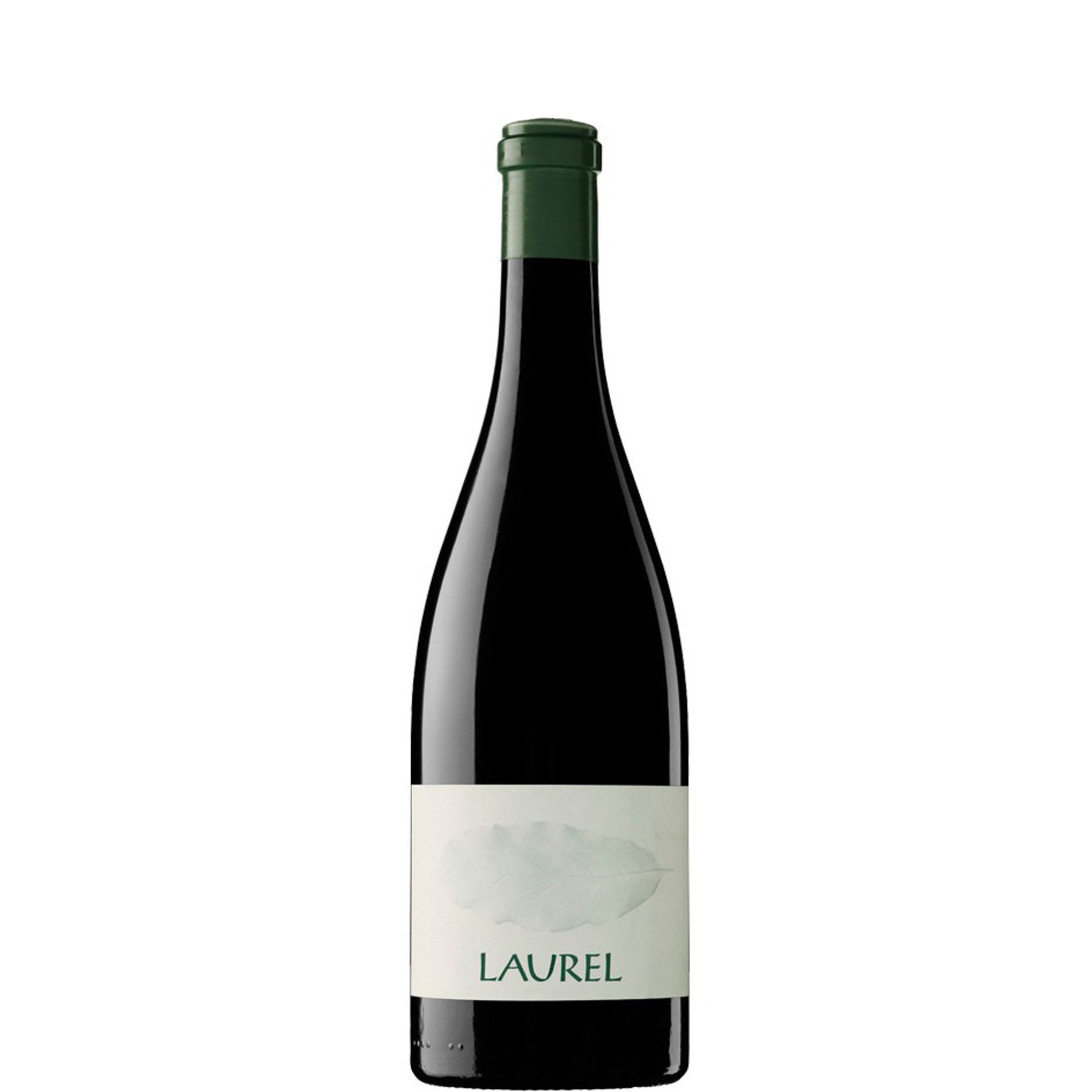

- Red Still
- 75.0cl
- 15.0%
- Organic
- Vegetarian
- Vegan
- Garnacha, Syrah, Cabernet Sauvignon
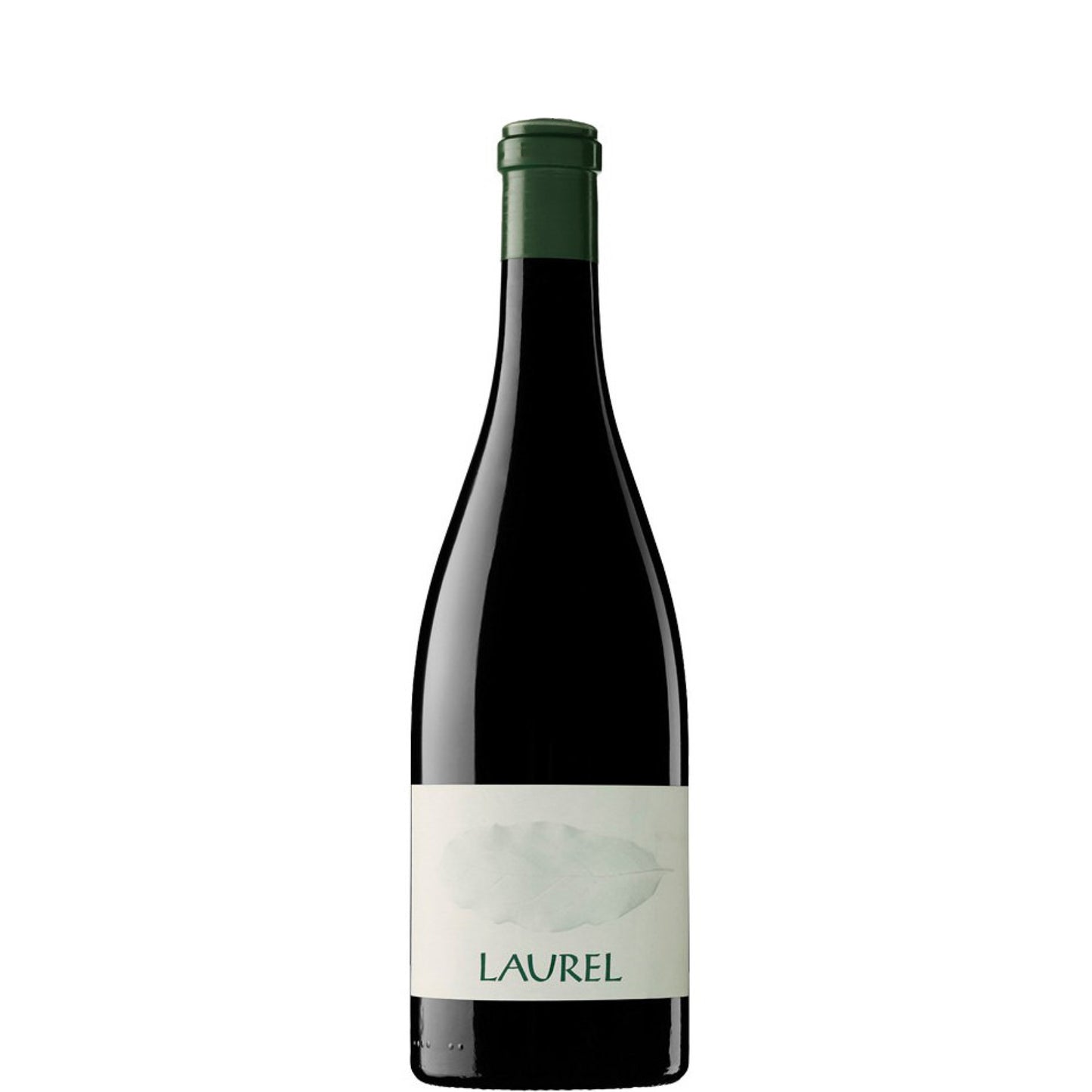
Laurel is the flagship wine from Clos I Terrasses, the tiny Priorat estate run by Daphne Glorian — one of the region's great originals. Sourced from old-vine Garnacha and Cabernet Sauvignon grown on the estate's steep llicorella slate and quartz soils, this is Priorat at its most concentrated and purposeful: dark fruit, iron-edged minerality, and a structural grip that demands time in the cellar.
The 2020 vintage brought excellent conditions — warm but not punishing — and the result is a wine with more freshness than you might expect from such a brooding, powerful package. Open it now with a long decant and robust food.
- ❖ ABV: 15.0%
Grapes
Garnacha, Syrah, Cabernet Sauvignon
Vintage report
Catalunya in 2020 had a warm, dry growing season — hardly news for the region, but the heat was more persistent than usual, with very little rainfall through the summer months putting real stress on older vines. Those old bush vines that dot the Priorat and Montsant hillsides, roots digging deep into llicorella slate, largely shrugged it off; younger plantings in lower-lying sites struggled more. Harvest came in on the early side, and the key was picking decisively — growers who waited too long saw sugar levels race ahead of phenolic ripeness. The whites from Penedès and Conca de Barberà came out particularly well: fresh, taut, with real grip.
The reds show the concentration you'd expect from a warm year, but the better producers kept the alcohol in check and the fruit focused rather than jammy. Garnacha and Cariñena from high-altitude sites in Priorat have real density without tipping into excess. We find the mid-weight reds from Montsant especially appealing right now — enough stuffing to reward a few more years in the cellar, but drinking well already. The top Priorats want until 2026 or beyond. Across the board, this is a vintage that rewards producers who know their land well enough to respond quickly when the season demands it.
Tasting Notes
AppearanceDeep, almost opaque ruby with a dark garnet core and a narrow, clean rim.
NoseConcentrated and serious from the first moment — blackberry compote, dried fig, and a hit of wild rosemary and thyme. Underneath, there is that characteristic Priorat iron-and-slate mineral quality, like a freshly broken flint, with a subtle waft of dark chocolate and leather that suggests the oak has been absorbed rather than imposed.
PalateFull-bodied and structured, with tannins that are grippy but not harsh — they coat the gums rather than rasp at them. The dark fruit is pure and concentrated, with a streak of blood orange acidity cutting through the weight and preventing the wine from feeling heavy. There is real freshness here for the vintage, a quality that marks out the best old-vine Priorat.
FinishLong, mineral, and dry, with the slate and iron quality lingering well after the fruit fades.
Overall impressionA disciplined, age-worthy Priorat that earns its ambition.
Food Pairings
In Priorat and the wider Catalonia, a wine like this would traditionally be paired with hearty, slow-cooked dishes built for winter: braised lamb with dried fruits and almonds in the Catalan style, or a robust escudella i carn d'olla — the great Catalan meat and vegetable stew. Roasted kid goat with herbs from the garrigue would be a natural match, as would aged Manchego or the local Garrotxa goat's cheese. Cured charcuterie, especially butifarra negra, also works well alongside the wine's tannic grip and dark fruit depth.
We think this wine would go well with
Serve at around 17-18°C — any warmer and the alcohol will overwhelm the wine's structural virtues. Decanting is not optional here: give it at least ninety minutes if you are opening it now, ideally two hours. A large Burgundy-style bowl will help coax out the aromatics that the wine keeps close at this stage of its life.
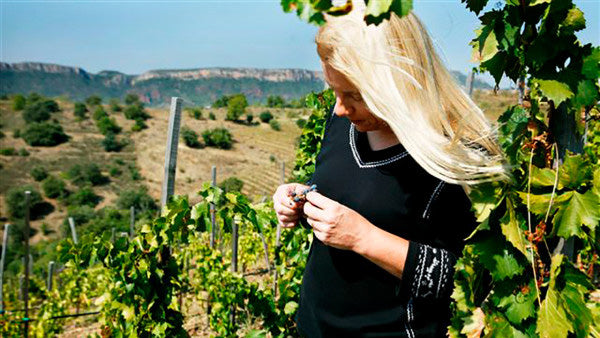
The vineyards of Clos I Terrasses sit on the characteristically steep, terraced slopes of Priorat, planted in llicorella — a fractured black slate and quartz schist that drains extremely well and forces vines to root deeply in search of water. This stress produces small, concentrated berries with intense flavour and natural structure. The altitude helps preserve acidity, and the combination of hot, dry summers with cool nights gives the wines their tension between power and freshness. The slate is also said to impart a distinctive iron-and-mineral quality that runs through every serious Priorat wine.
Priorat — or DOCa Priorat in Catalan — is one of only two Spanish appellations to hold the top-tier DOCa status, the other being Rioja. It is a dramatically rugged inland region in Catalonia, built around the ancient village of Gratallops, and is defined almost entirely by its llicorella soils and the old Garnacha and Cariñena vines that struggle through them. Yields are tiny, wines are concentrated, and minimum alcohol levels are high — this is an appellation that prizes intensity and longevity above all. Its neighbour Montsant wraps around it geographically and offers similar styles at lower prices, but Priorat's combination of old vines and extreme terroir remains in a category of its own.
Catalunya in 2020 had a warm, dry growing season — hardly news for the region, but the heat was more persistent than usual, with very little rainfall through the summer months putting real stress on older vines. Those old bush vines that dot the Priorat and Montsant hillsides, roots digging deep into llicorella slate, largely shrugged it off; younger plantings in lower-lying sites struggled more. Harvest came in on the early side, and the key was picking decisively — growers who waited too long saw sugar levels race ahead of phenolic ripeness. The whites from Penedès and Conca de Barberà came out particularly well: fresh, taut, with real grip.
The reds show the concentration you'd expect from a warm year, but the better producers kept the alcohol in check and the fruit focused rather than jammy. Garnacha and Cariñena from high-altitude sites in Priorat have real density without tipping into excess. We find the mid-weight reds from Montsant especially appealing right now — enough stuffing to reward a few more years in the cellar, but drinking well already. The top Priorats want until 2026 or beyond. Across the board, this is a vintage that rewards producers who know their land well enough to respond quickly when the season demands it.
FAQs
What does the Laurel taste like?
Dark and concentrated — blackberry, dried fig, wild herbs, and a distinctive iron and slate mineral quality that is the hallmark of serious Priorat. The tannins are firm and the finish is long and dry. This is a wine built on structure and intensity, with enough freshness from the 2020 vintage to give it real vitality.
When should I drink this wine?
It is approachable now with a long decant, but patience will be well rewarded. We think 2029 to 2034 is the sweet spot, when the tannins have softened and the secondary complexity begins to emerge. Bottles stored well should hold until around 2038.
Do I need to decant it?
Yes, and generously. Give it at least ninety minutes if you are opening now, ideally two hours in a large decanter. The wine needs air to open up; without it, the tannins can feel austere and the fruit remains locked.
What food should I serve with it?
Slow-braised lamb, roasted kid, or any robust meat dish with herbs will work brilliantly. Aged hard cheese is also a fine match. The tannins and dark fruit depth mean it can handle bold, rich flavours without flinching.
Is this worth cellaring?
Absolutely. This is precisely the kind of wine that rewards a decade of patience. Daphne Glorian's Laurel has a strong track record of ageing gracefully, and the 2020 vintage has the structure and freshness to develop real complexity over the next eight to twelve years.
How does Laurel compare to other Priorat wines?
It sits comfortably among the region's elite — small production, old vines, extreme terroir. Clos I Terrasses is one of the founding estates of modern Priorat, and Laurel is its most ambitious wine. If you know Álvaro Palacios's L'Ermita or Finca Dofi, you are in broadly the same conversation in terms of ambition and age-worthiness, though Glorian's style is perhaps a touch more restrained and mineral-driven.
Want to know more?
Discuss your requirements with our account managers, Stephanie, Ed, & Jen
-
Personal Service
- Our team are always on hand to support you, taking orders online, by phone or email & responding to urgent requests.
- Our efficient warehouse & team of drivers always go the extra mile to deliver our wines to you.
- Our new, high-capacity warehouse ensures excellent availability of wines.
- Our new enterprise platform means hassle-free service, from inventory to billing.
-
Our Sales Team
Speak to one of our teamStephanie Duncan
With 25+ years in the wine trade, Steph knows the UK market inside out, from premium wine and wholesale to hospitality and retail. A WSET Diploma holder and unapologetic Champagne fan, she loves building great relationships and finding exciting wines.
Jen Neilan
Twenty years in hospitality later, after curating the wine list for Manchester’s first Neapolitan pizza restaurant, and running a natural wine bar, Jen made the move to the other side of the table.