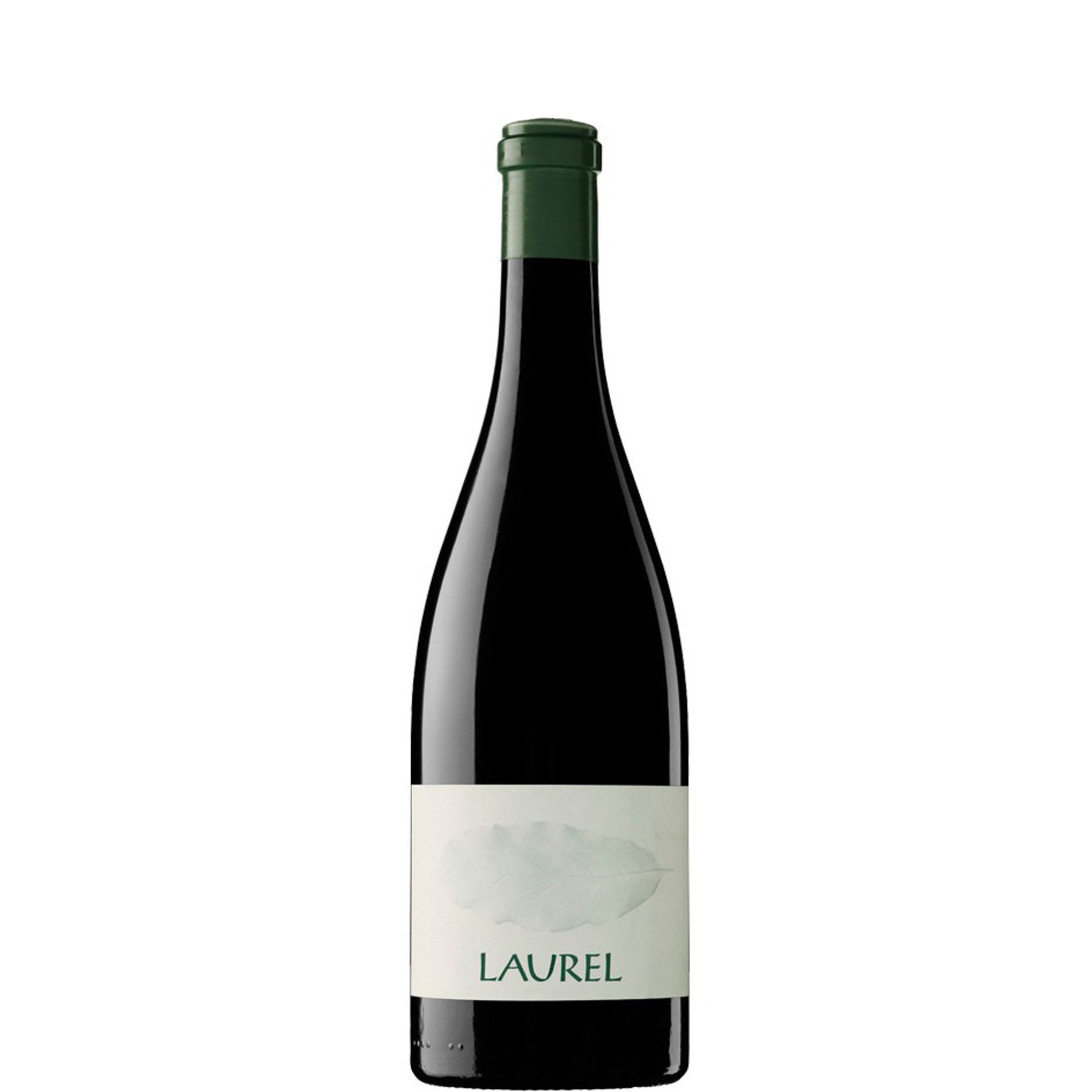

- Red Still
- 75.0cl
- 15.0%
- Organic
- Vegetarian
- Vegan
- Garnacha, Syrah, Cabernet Sauvignon
Clos I Terrasses is one of Priorat's most uncompromising addresses, and Laurel is the estate's second wine in the best possible sense — not a lesser thing, but a more approachable expression of the same obsessive viticulture that makes their flagship Closmagic so coveted. Old-vine Garnacha and Cariñena grown on the region's famous llicorella slate give Laurel its signature grip and mineral backbone. The 2019 vintage brought warmth without excess, and the result is a wine with real density and concentration but enough freshness to keep it alive and interesting.
We think this is drinking well now with a good hour in a decanter, showing dark cherry, dried thyme, iron, and that distinctive slate-driven minerality that Priorat does like nowhere else on earth.
- ❖ ABV: 15.0%
Grapes
Garnacha, Syrah, Cabernet Sauvignon
Vintage report
Catalunya in 2019 had a warm, dry growing season with summer heat that arrived early and lingered — not unusual for the region, but pronounced enough to push ripening along at pace. The saving grace was a relatively mild August compared to some of the scorching summers either side of it, which meant growers who managed canopy and yields carefully avoided the overripeness that can flatten these wines into jammy submission. Harvest generally came in good condition, with fruit that had concentration without sacrificing freshness.
The results are wines with real substance — Garnacha in particular found a sweet spot between fruit weight and the kind of savoury, mineral backbone that reminds you why the old vines up in Priorat and Montsant matter so much. Carignan (Cariñena) showed well too, holding acidity that keeps everything honest. Most serious reds are drinking well now but have the structure to reward another three to five years in the cellar. Whites and rosados should be enjoyed sooner rather than later.
Tasting Notes
AppearanceDeep garnet with a dark, almost opaque core and a ruby rim that hints at freshness beneath the density.
NoseDark cherry and crushed blackberry lead, with dried thyme, lavender, and the unmistakable iron-and-slate mineral signature of Priorat llicorella. A touch of warm spice and dried leather emerges with air.
PalateFull-bodied but not heavy, with old-vine concentration giving a core of dark fruit that stays taut and focused. Tannins are firm and grippy — classic Cariñena structure — but the fruit has the weight to carry them. Bright acidity threads through and stops this from feeling over-ripe.
FinishLong, mineral, and savoury, with the slate note persisting well after the fruit has faded.
Overall impressionA precise, serious Priorat that earns its concentration without leaning on it.
Food Pairings
In Priorat and across inland Catalonia, wines like this are built for the table — specifically for the slow-cooked, richly flavoured dishes that define the region's cooking. Think escudella i carn d'olla, the hearty Catalan meat and vegetable stew, or xai a la brasa, lamb grilled over vine cuttings. A leg of kid roasted with garlic and rosemary would be a natural partner, as would aged Manchego or the local Garrotxa goat's cheese. Catalan-style rabbit with romesco is another excellent match — the smoky, nutty sauce mirrors the wine's mineral depth without overwhelming it.
We think this wine would go well with
Serve at 17-18°C — any warmer and the alcohol tips forward, any cooler and the tannins close up. Decant for at least an hour, ideally ninety minutes; this wine opens slowly and rewards the patience. A large-bowled Burgundy-style glass works well, giving the aromatic complexity room to develop without funnelling the tannins into something sharp.
The vineyards sit on the steep, sun-baked slopes of Priorat, planted on llicorella — a distinctive dark schist and slate that drains rapidly and forces vines to dig deep for water and nutrients. This stress produces small, concentrated berries with intensely mineral character. Altitude moderates the fierce summer heat, preserving acidity that keeps the wine structured rather than merely powerful. It is a brutal, beautiful environment, and the wines carry its character unmistakably.
Priorat (DOQ Priorat in Catalan, DOCa Priorat in Castilian) is one of only two Spanish appellations to hold the highest classification of Denominació d'Origen Qualificada, shared only with Rioja. The rules demand low yields and permit only a narrow range of varieties, with old-vine Garnacha and Cariñena at the heart of the appellation's identity. Priorat produces wines of formidable concentration and mineral intensity quite unlike anything from neighbouring Montsant, which surrounds it geographically and offers a more affordable but structurally different style. The region's transformation since the late 1980s — led by Álvaro Palacios, Daphne Glorian, and a handful of others — is one of modern wine's great stories.
Catalunya in 2019 had a warm, dry growing season with summer heat that arrived early and lingered — not unusual for the region, but pronounced enough to push ripening along at pace. The saving grace was a relatively mild August compared to some of the scorching summers either side of it, which meant growers who managed canopy and yields carefully avoided the overripeness that can flatten these wines into jammy submission. Harvest generally came in good condition, with fruit that had concentration without sacrificing freshness.
The results are wines with real substance — Garnacha in particular found a sweet spot between fruit weight and the kind of savoury, mineral backbone that reminds you why the old vines up in Priorat and Montsant matter so much. Carignan (Cariñena) showed well too, holding acidity that keeps everything honest. Most serious reds are drinking well now but have the structure to reward another three to five years in the cellar. Whites and rosados should be enjoyed sooner rather than later.
FAQs
What does Laurel taste like?
Dark cherry, iron, dried thyme, and a pronounced mineral quality that comes from the slate soils the vines grow in. The tannins are firm and the finish is long and savoury. This is not a soft, easy-going red — it has real character and structure.
When is the best time to drink the 2019 Laurel?
It is drinking well now with an hour's decanting, and will continue to improve until around 2030-2032. There is no urgency, but equally no reason to wait if you fancy opening one tonight — just give it time to breathe.
What food should I pair it with?
Slow-roasted lamb, kid, or anything cooked over fire. It is a natural companion to rich, herb-scented meat dishes from the Catalan tradition — think chargrilled lamb chops with romesco, or a long-braised rabbit. Aged sheep's milk cheese also works very well.
How should I serve it?
At around 17-18°C in a large-bowled glass, decanted for at least an hour. The wine opens up considerably with air, so do not be tempted to skip the decant.
Is this worth cellaring?
Yes, with confidence. Old-vine Garnacha and Cariñena grown on llicorella has a strong track record of ageing gracefully. We would expect this to drink well until at least 2035 and possibly 2038 for those who like wine with some age-driven complexity.
How does Laurel relate to Clos I Terrasses's top wine?
Laurel is the estate's second label, made from younger vines or declassified parcels from the same meticulous farming. It is a more approachable entry point to the Clos I Terrasses style — same philosophy, same insistence on quality, slightly earlier drinking. Think of it as the best possible introduction to what Daphne Glorian does in Priorat.
Want to know more?
Discuss your requirements with our account managers, Stephanie, Ed, & Jen
-
Personal Service
- Our team are always on hand to support you, taking orders online, by phone or email & responding to urgent requests.
- Our efficient warehouse & team of drivers always go the extra mile to deliver our wines to you.
- Our new, high-capacity warehouse ensures excellent availability of wines.
- Our new enterprise platform means hassle-free service, from inventory to billing.
-
Our Sales Team
Speak to one of our teamStephanie Duncan
With 25+ years in the wine trade, Steph knows the UK market inside out, from premium wine and wholesale to hospitality and retail. A WSET Diploma holder and unapologetic Champagne fan, she loves building great relationships and finding exciting wines.
Jen Neilan
Twenty years in hospitality later, after curating the wine list for Manchester’s first Neapolitan pizza restaurant, and running a natural wine bar, Jen made the move to the other side of the table.