
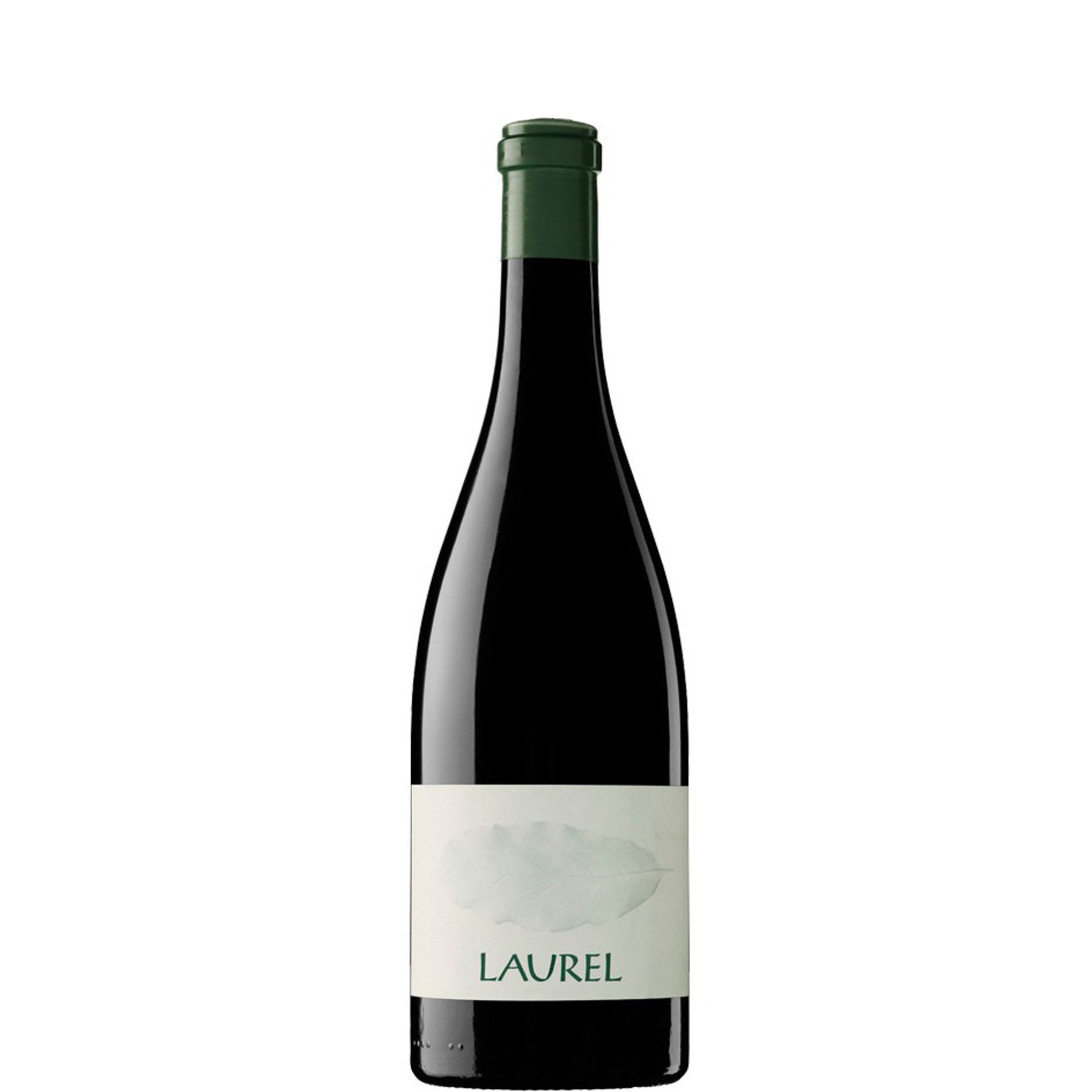

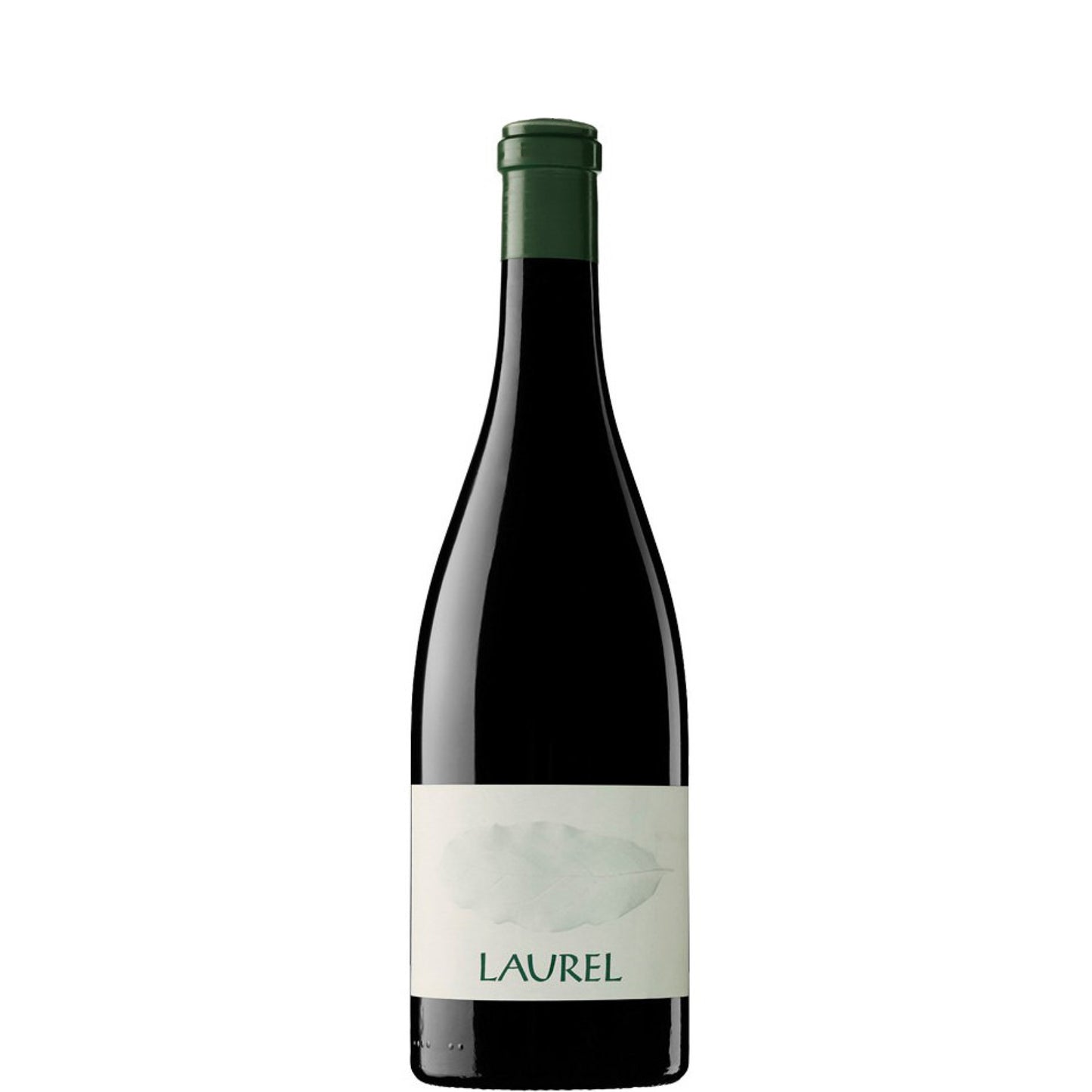
- Red Still
- 75.0cl
- 15.0%
- Organic
- Vegetarian
- Vegan
- Garnacha, Syrah, Cabernet Sauvignon
Laurel is the prestige cuvée from Clos I Terrasses, one of Priorat's most quietly revered small estates. Made from old Grenache and Cabernet Sauvignon rooted in the region's famous llicorella slate soils — that dark, mica-flecked schist that forces vines deep and gives the wines their distinctive iron-and-mineral backbone — this is a wine of real concentration and structure.
The 2013 vintage in Priorat was marked by a cooler, longer growing season, which gave Laurel unusual freshness and definition for a wine of this weight. We find dark cherry, dried thyme, and iron-rich earth folded into a frame of firm but increasingly supple tannins. Thirteen years on, it is beginning to arrive at something beautiful.
- ❖ ABV: 15.0%
Grapes
Garnacha, Syrah, Cabernet Sauvignon
Vintage report
Catalunya in 2013 doesn't get the headlines that Priorat's trophy vintages attract, but that's rather the point — this is a quiet achiever. The growing season was marked by a cool, drawn-out ripening period that kept acidity sharp and prevented the overripe, jammy character that warmer years can produce in Garnacha and Cariñena. Yields were modest, partly through natural stress, which concentrated flavours without the winemaker having to intervene too aggressively. The result is wines that feel structured and precise rather than generous and obvious.
What 2013 gave Catalunya, particularly in Priorat and Montsant, was wines with genuine tension — reds that reward patience rather than punish it. Garnacha holds the freshness well, and the better Cariñena-led blends have the kind of grip that still needs time to settle. We think the serious reds are only now entering their best window, drinking well from now until around 2025 to 2028 for the stronger examples. These aren't blockbusters, and that's exactly what we find interesting about them.
Tasting Notes
AppearanceDeep garnet, still dense at the core with a slightly bricking rim that signals genuine age.
NoseDark cherry and black olive open first, then dried thyme, tobacco leaf, and a seam of iron and wet slate that is unmistakably Priorat. With air, a touch of cedar and dried fig emerges.
PalateFull-bodied but not heavy, with tannins that have softened considerably since release without losing their grip. Dark fruit, graphite, and a streak of blood orange acidity keep everything taut and alive. The llicorella minerality runs through the whole palate like a thread.
FinishLong, dry, and mineral, with iron, dried herbs, and a final flicker of cherry skin that lingers well past a minute.
Overall impressionA wine that rewards those who have waited — and will reward those who wait a little longer still.
Food Pairings
In Priorat and the surrounding Catalan interior, this is wine for the table in the most serious sense. Locals would pair it with slow-roasted lamb rubbed with garlic and rosemary, or a hearty escudella i carn d'olla — the Catalan meat and pulse stew that turns a winter evening into something worth remembering. Aged Manchego or Garrotxa cheese would also hold their own against the wine's structure. A char-grilled côte de boeuf with nothing more than salt and good olive oil would be another natural match. The wine's acidity and iron-edged minerality mean it handles rich, fat-forward dishes with ease.
We think this wine would go well with
Serve at 17 to 18°C — any warmer and the alcohol starts to dominate. Decant for at least two hours; the wine is still wound tight enough to need the time to open fully. A large-bowled Burgundy-style glass will give the aromas the space they need to unfold.
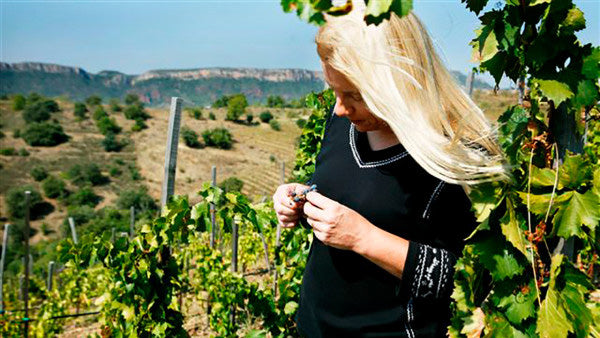
The vineyards sit on steep, terraced hillsides in Gratallops, at altitudes of between 300 and 500 metres, planted on the famous llicorella — fractured black slate and quartz schist that drains rapidly and forces vine roots to extraordinary depths in search of water and nutrients. The result is tiny yields and grapes of intense concentration. Continental temperatures, with hot dry summers and cold nights, preserve the acidity that keeps these powerful wines fresh.
Priorat (or Priorato in Castilian) is one of only two Spanish DOs elevated to DOCa/DOQ status, the other being Rioja. It is a small, rugged appellation inland from Tarragona in Catalonia, built on those distinctive slate soils and best known for old-vine Grenache and Carignan, increasingly blended with international varieties. The wines are characteristically powerful, mineral, and built for the long term — nothing here is in a hurry. It sits apart from its neighbour Montsant, which surrounds it, producing similarly structured but generally more approachable and affordable wines.
Catalunya in 2013 doesn't get the headlines that Priorat's trophy vintages attract, but that's rather the point — this is a quiet achiever. The growing season was marked by a cool, drawn-out ripening period that kept acidity sharp and prevented the overripe, jammy character that warmer years can produce in Garnacha and Cariñena. Yields were modest, partly through natural stress, which concentrated flavours without the winemaker having to intervene too aggressively. The result is wines that feel structured and precise rather than generous and obvious.
What 2013 gave Catalunya, particularly in Priorat and Montsant, was wines with genuine tension — reds that reward patience rather than punish it. Garnacha holds the freshness well, and the better Cariñena-led blends have the kind of grip that still needs time to settle. We think the serious reds are only now entering their best window, drinking well from now until around 2025 to 2028 for the stronger examples. These aren't blockbusters, and that's exactly what we find interesting about them.
FAQs
What does the 2013 Laurel taste like?
Dark cherry, dried thyme, black olive, and iron-rich slate minerality, with firm but softening tannins and a long, dry finish. It is a serious, structured wine that has been gaining in complexity since release.
When should I drink this wine?
It is drinking well now with a couple of hours in a decanter, and we think it will be at its peak between 2026 and 2032. Hold the best bottles until 2034 if you want the full depth of a mature Priorat.
Do I need to decant it?
Yes, and generously. Give it at least two hours in a wide-based decanter. The wine is still relatively closed and needs air to show its full range of aromas and flavours.
What food should I serve it with?
Slow-roasted lamb, beef on the bone, aged hard cheeses, or any rich, slow-cooked meat dish. It has the structure and minerality to stand up to serious food.
Is this wine worth cellaring further?
If you have bottles already, yes. It should continue to develop until around 2032 and remain enjoyable until 2038. After that, we would expect it to fade. There is no urgency, but do not leave it indefinitely.
Who makes Clos I Terrasses?
The estate was founded by Daphne Glorian in Gratallops, Priorat, in the early 1990s. She is one of the region's defining figures and produces only two wines in tiny quantities. Laurel is her top cuvée.
Want to know more?
Discuss your requirements with our account managers, Stephanie, Ed, & Jen
-
Personal Service
- Our team are always on hand to support you, taking orders online, by phone or email & responding to urgent requests.
- Our efficient warehouse & team of drivers always go the extra mile to deliver our wines to you.
- Our new, high-capacity warehouse ensures excellent availability of wines.
- Our new enterprise platform means hassle-free service, from inventory to billing.
-
Our Sales Team
Speak to one of our teamStephanie Duncan
With 25+ years in the wine trade, Steph knows the UK market inside out, from premium wine and wholesale to hospitality and retail. A WSET Diploma holder and unapologetic Champagne fan, she loves building great relationships and finding exciting wines.
Jen Neilan
Twenty years in hospitality later, after curating the wine list for Manchester’s first Neapolitan pizza restaurant, and running a natural wine bar, Jen made the move to the other side of the table.