

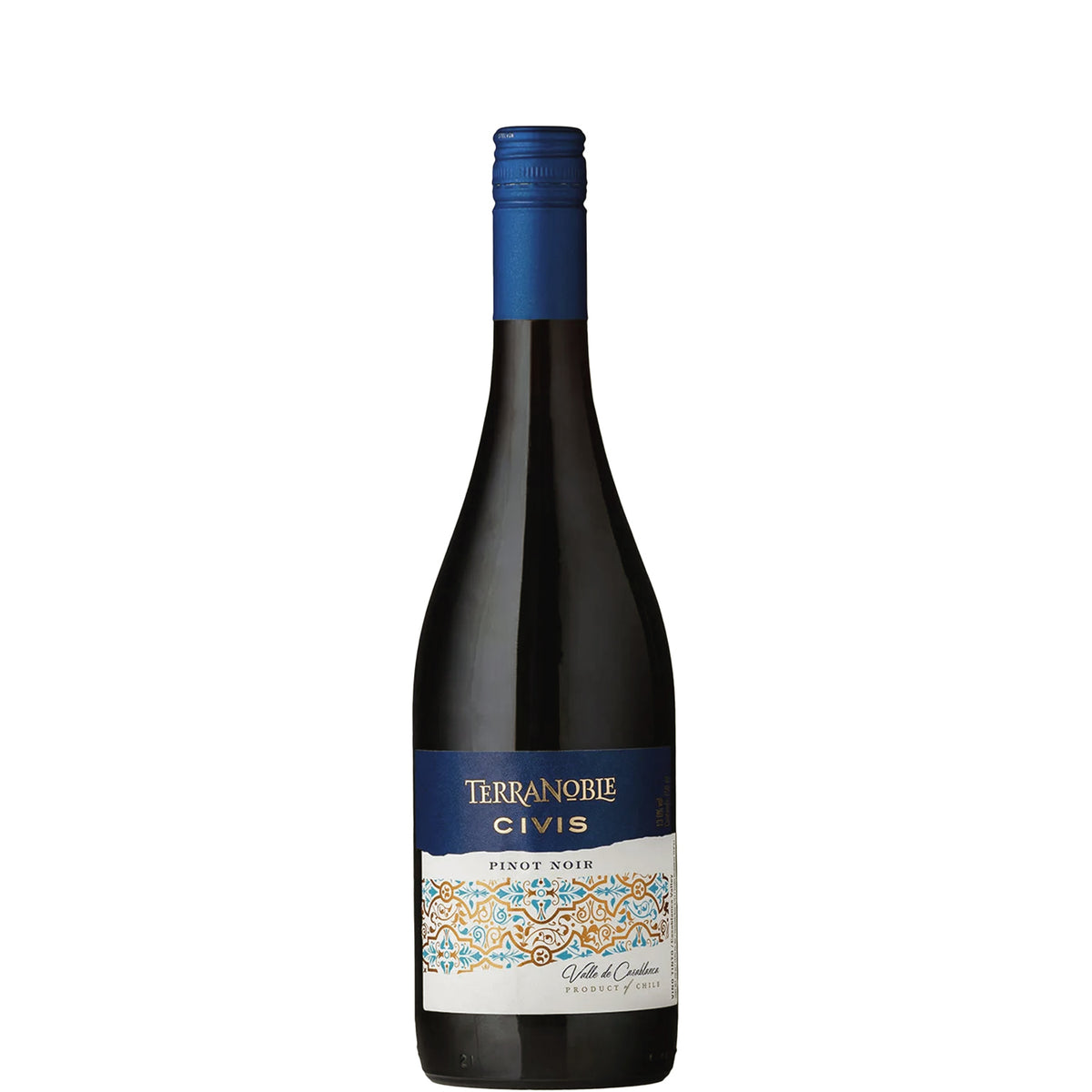
TerraNoble, CIVIS Pinot Noir, 2025
TerraNoble, CIVIS Pinot Noir, 2025
- Red Still
- 75.0cl
- 12.5%
- Pinot Noir
TerraNoble's CIVIS Pinot Noir comes from Sol de Andes, a producer working Chile's cooler-climate valleys where Pinot Noir has quietly been making a case for itself over the past decade. The CIVIS label sits at the approachable end of TerraNoble's range, but don't mistake accessible for simple — this is a wine made with genuine care, built around freshness and drinkability rather than weight and extraction.
In the glass it's all red fruit, floral lift, and that characteristic silkiness that makes good Chilean Pinot so easy to love. There's a touch of earthy savouriness underneath, keeping things honest.
- ❖ ABV: 12.5%
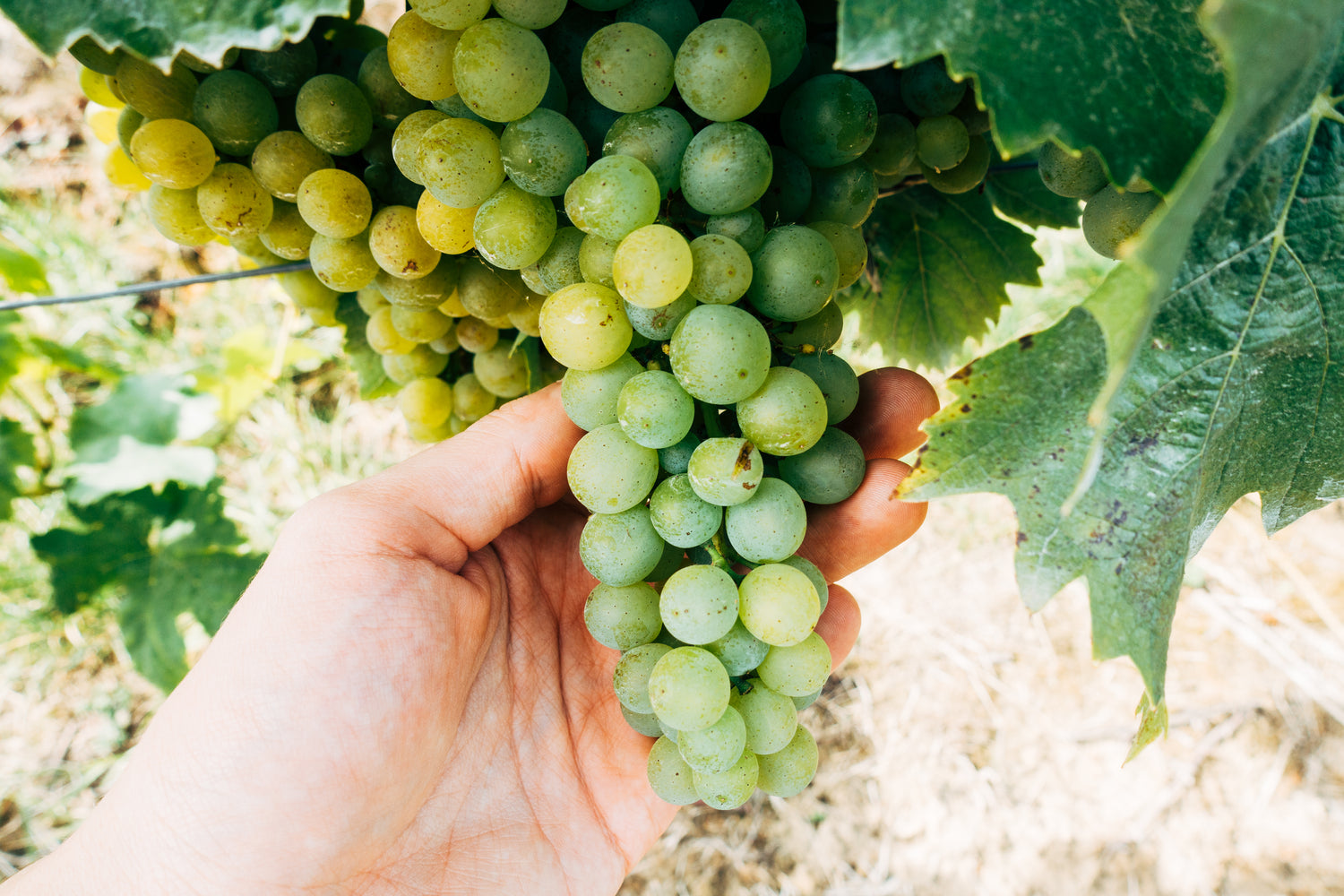
Grapes
Pinot Noir
Vintage report
Casablanca Valley's 2025 vintage is, frankly, too recent for us to report on with any confidence — harvest would have concluded only months ago, and meaningful tasting data from across the valley simply isn't in our hands yet. What we do know is that Casablanca's structural story remains consistent: the cold Humboldt Current keeps this one of Chile's coolest wine regions, fog rolls in from the Pacific most mornings, and the valley lives and dies by whether that fog lifts cleanly each afternoon to let the fruit ripen without losing the acidity that makes it worth drinking.
Rather than dress up uncertainty in authoritative-sounding language, we'd suggest treating 2025 as one to watch. The region's Sauvignon Blanc and Chardonnay have been on a quality upswing for several vintages running, driven as much by improved winemaking and lower yields as by weather. When producer notes and early tastings reach us, we'll update this properly. In the meantime, the 2023s and 2024s from this valley are drinking very well right now.
Tasting Notes
AppearancePale, clear ruby with a pink-tinged rim — exactly what you want from a cool-climate Pinot.
NoseRed cherry, dried rose petal, and a faint hint of forest floor give it genuine Pinot character without pretension. There's a freshness here that speaks to cool nights and careful picking rather than any technical trickery.
PalateLight to medium-bodied with fine, almost imperceptible tannins and a juicy acidity that keeps the whole thing lively. Red fruits dominate — strawberry, cranberry, a little pomegranate — with a quiet savoury note on the mid-palate that adds depth.
FinishClean and relatively short, with a lifted floral note that lingers pleasantly.
Overall impressionAn honestly made, genuinely fresh Chilean Pinot that does exactly what it sets out to do.
Food Pairings
In Chile's central wine country, a light Pinot like this would be a natural partner for cazuela de ave, the country's beloved chicken and vegetable broth — the wine's acidity cutting through the richness without overwhelming the delicate flavours. It would work equally well alongside pastel de choclo, the corn and meat pie that's a staple of Chilean home cooking. Grilled salmon with pebre, Chile's bright herb and chilli salsa, would be another excellent match. For something simpler, a plate of local charcuterie and fresh bread is all this wine really needs.
We think this wine would go well with
Serve cool, around 14-15°C — slightly cooler than most reds, which lets the freshness and floral character come forward. No need to decant; just open, pour, and enjoy. A standard tulip-shaped red wine glass works well, though a Burgundy-style bowl will give the aromas more room to breathe if you want to pay it that compliment.
TerraNoble's fruit for the CIVIS range is sourced from cool-climate sites in central Chile, where Pacific influence from the Humboldt Current keeps daytime temperatures moderate and nights genuinely cold. This diurnal shift is the engine behind Chile's ability to produce Pinot Noir with real freshness and aromatic precision rather than jammy overripeness. Soils across these sites tend to be a mix of clay and alluvial deposits, lending structure without robbing the wine of its characteristic lightness.
Chile's Valle Central is a broad designation covering a large swathe of the country's most productive wine country, stretching from the Maipo in the north down through Rapel, Curicó, and Maule. It's a region better known for Cabernet Sauvignon and Carmenère than for Pinot Noir, but cooler sub-zones and higher-altitude sites within the Central Valley have shown real promise with lighter reds. The designation allows considerable latitude in grape sourcing, which means quality varies widely — the producer's name matters as much as the label.
Casablanca Valley's 2025 vintage is, frankly, too recent for us to report on with any confidence — harvest would have concluded only months ago, and meaningful tasting data from across the valley simply isn't in our hands yet. What we do know is that Casablanca's structural story remains consistent: the cold Humboldt Current keeps this one of Chile's coolest wine regions, fog rolls in from the Pacific most mornings, and the valley lives and dies by whether that fog lifts cleanly each afternoon to let the fruit ripen without losing the acidity that makes it worth drinking.
Rather than dress up uncertainty in authoritative-sounding language, we'd suggest treating 2025 as one to watch. The region's Sauvignon Blanc and Chardonnay have been on a quality upswing for several vintages running, driven as much by improved winemaking and lower yields as by weather. When producer notes and early tastings reach us, we'll update this properly. In the meantime, the 2023s and 2024s from this valley are drinking very well right now.
FAQs
What does this wine taste like?
Fresh and light, with red cherry, strawberry, and a floral lift — think cranberry and dried rose petal rather than anything heavy or extracted. There's a gentle earthiness underneath that keeps it honest, and the finish is clean and bright.
When should I drink this wine?
Now, ideally. This is a wine made for drinking young and fresh, while the fruit is vibrant. It will hold comfortably until around 2029 or 2030, but there's no advantage in waiting — the pleasure is right there in the bottle today.
What food should I pair it with?
It's versatile in the best possible way. Roast chicken, grilled salmon, light pasta dishes, mushroom risotto — all work well. Chilean classics like cazuela de ave or a charcuterie spread would be ideal. Avoid anything too rich, spicy, or heavily sauced, which will swamp the wine's delicate character.
How should I serve it?
Cooler than you might expect — around 14-15°C. No need to decant, just open and pour. A standard red wine glass is fine, though a wider Burgundy bowl will reward you with more aromatic presence.
Is this worth cellaring?
No, and it doesn't pretend to be. The CIVIS is designed for early drinking and does that job very well. If you're after a Chilean Pinot built for the long haul, you'd be looking at single-vineyard bottlings from cooler-climate estates with more structure behind them.
How does Chilean Pinot Noir compare to Burgundy?
Less earthy and savoury than Burgundy, generally speaking, and without the same structural tension or complexity at this price point. What Chile does offer — especially in cooler sites — is genuine freshness, floral lift, and ripe red fruit without the jamminess that warmer-climate Pinot can fall into. Different rather than lesser, and often considerably kinder to your wallet.
Want to know more?
Discuss your requirements with our account managers, Stephanie, Ed, & Jen
-
Personal Service
- Our team are always on hand to support you, taking orders online, by phone or email & responding to urgent requests.
- Our efficient warehouse & team of drivers always go the extra mile to deliver our wines to you.
- Our new, high-capacity warehouse ensures excellent availability of wines.
- Our new enterprise platform means hassle-free service, from inventory to billing.
-
Our Sales Team
Speak to one of our teamStephanie Duncan
With 25+ years in the wine trade, Steph knows the UK market inside out, from premium wine and wholesale to hospitality and retail. A WSET Diploma holder and unapologetic Champagne fan, she loves building great relationships and finding exciting wines.
Jen Neilan
Twenty years in hospitality later, after curating the wine list for Manchester’s first Neapolitan pizza restaurant, and running a natural wine bar, Jen made the move to the other side of the table.