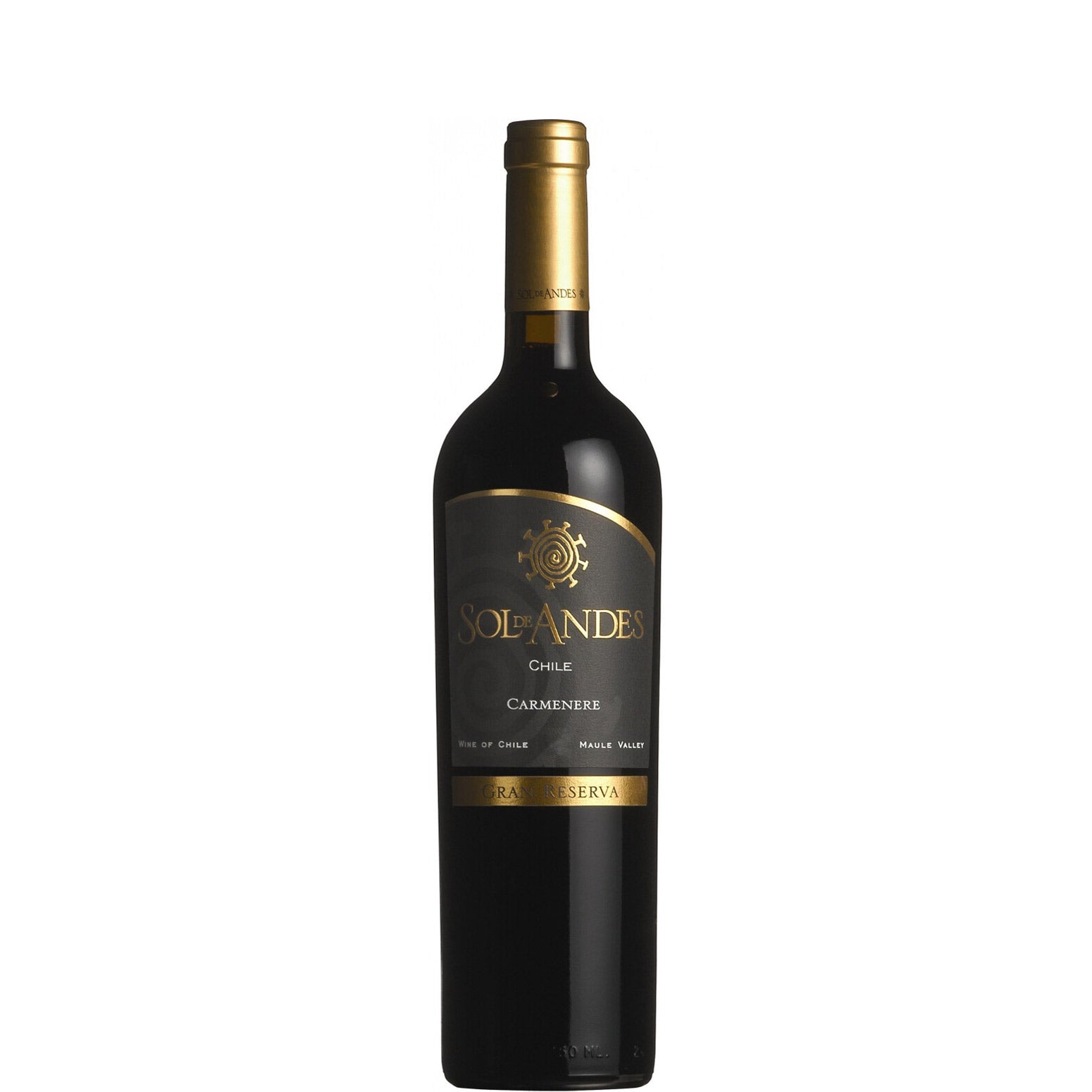

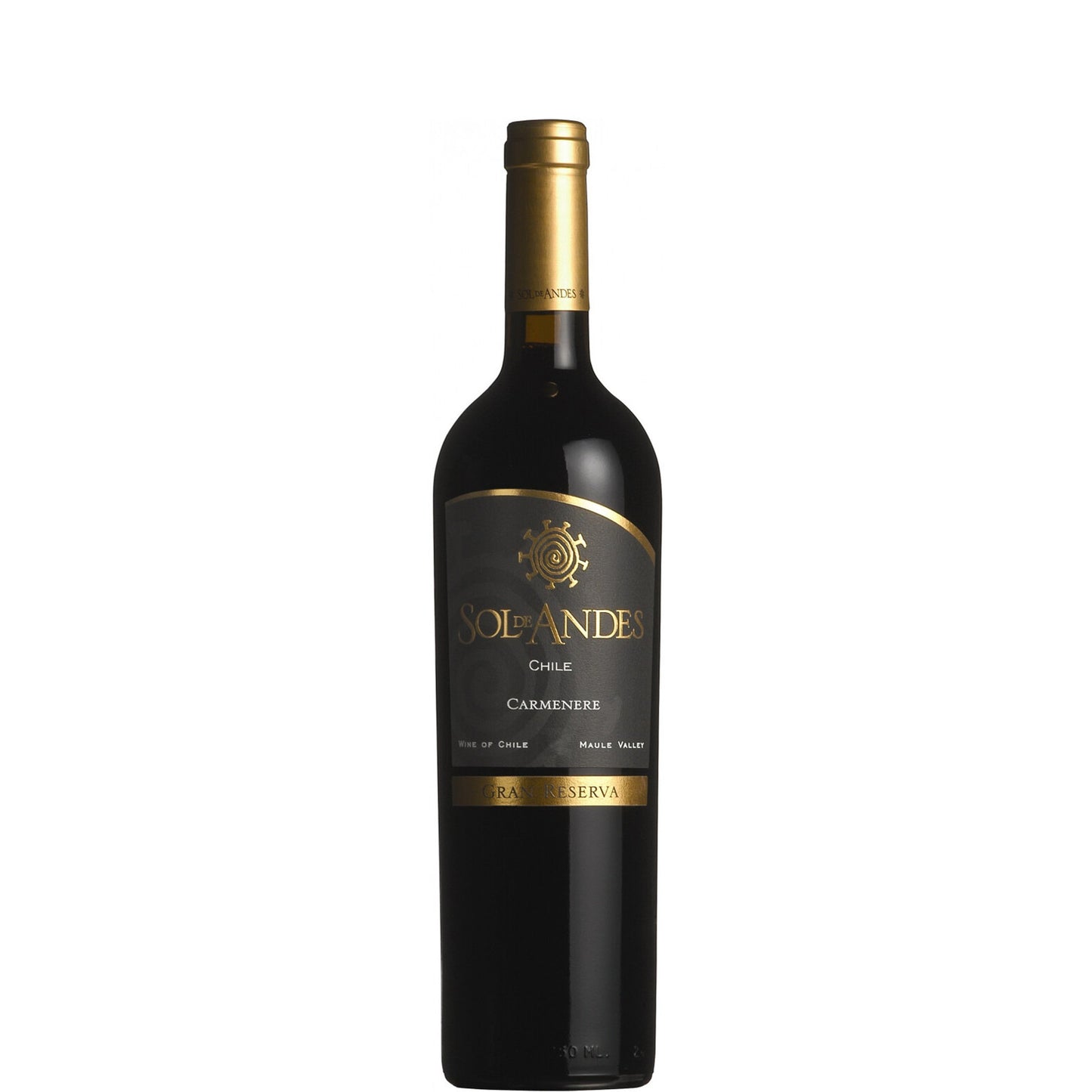
Sol de Andes, Carmenere Gran Reserva, 2022
Sol de Andes, Carmenere Gran Reserva, 2022
- Red Still
- 75.0cl
- 14.5%
- Carmenere
Carmenere is Chile's great reclaimed grape — a Bordeaux refugee that found its true home in the Central Valley's warm, sheltered valleys, where it ripens in a way it never quite managed in France.
Sol de Andes' Gran Reserva is a proper expression of the variety: dark-fruited and smoky, with that telltale roasted green pepper character that marks genuinely ripe Carmenere rather than the undercooked versions that gave it a bad name in the 1990s. Oak handling is measured, lending structure without overwhelming the grape's natural earthiness. Serve it with something from the grill, open it an hour early, and let it do its thing.
- ❖ ABV: 14.5%
Grapes
Carmenere
Vintage report
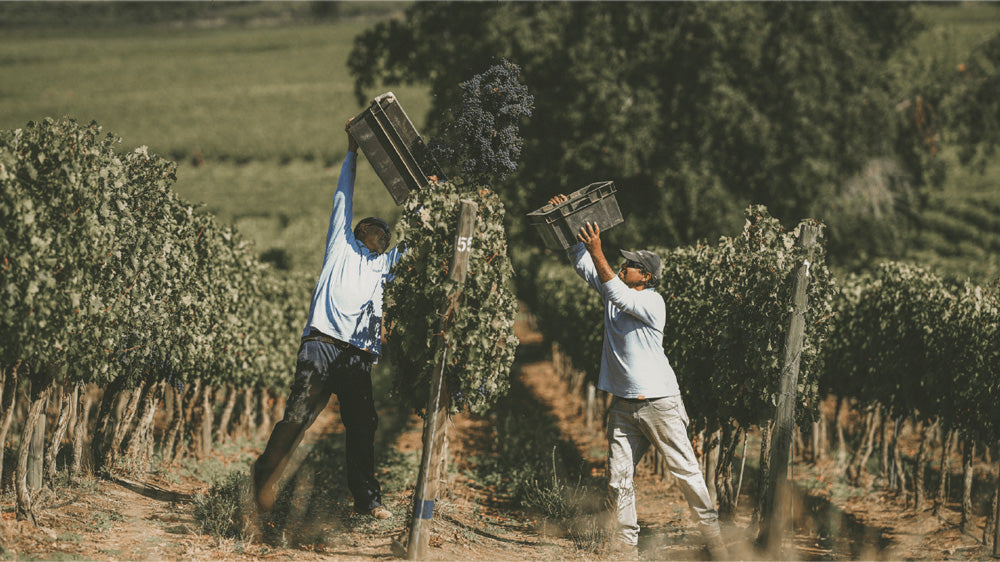
Chile's 2022 growing season in Valle Central was defined by drought. A multi-year water deficit across the country continued to stress vines, and 2022 brought another dry, warm summer with lower-than-average yields as a result. That stress, however, is not the whole story — well-managed, dry-farmed old vines handled the conditions with something approaching indifference, concentrating flavour without tipping into overripeness. Harvest arrived a little earlier than the historical average, with fruit coming in under good conditions and retaining freshness that a later, hotter finish might have stripped away.
The wines that resulted sit at an interesting point: Cabernet Sauvignon from the likes of Maipo shows real structural grip and a directness that rewards patience, while Carménère, often the region's most weather-sensitive variety, produced wines with better definition than the drought years that preceded it. Across the board, we find these are wines that reward a few more years in the cellar but are drinking well now if you give them time to breathe. We'd broadly say 2022 to 2028 for most bottles, longer for the best Cabernets.
Tasting Notes
AppearanceDeep ruby-purple with a dense, youthful core and a clean, bright rim.
NoseDark plum and blackberry lead, with a characteristic whiff of roasted red pepper and smoked meat that marks ripe Carmenere. There's a thread of mocha and dried herbs beneath, gained from time in oak.
PalateFull-bodied but with a soft, almost velvety texture — the tannins are rounded rather than gripping. Dark fruit, earth, and a savouriness sit at the centre, with enough freshness to keep things lively.
FinishMedium-length, warm, and gently smoky, with the earthy, savoury quality lingering longest.
Overall impressionA generous, food-friendly Carmenere that plays to the variety's strengths without overreaching.
Food Pairings
In central Chile, this kind of wine was made for asado — the long, slow wood-fired grilling of beef ribs, lamb, or chorizo that anchors any proper Sunday gathering. Cazuela de vacuno, the hearty beef and vegetable stew that features on almost every Chilean family table, would be equally at home alongside it. The smoky, savoury quality of ripe Carmenere also works brilliantly with empanadas de pino, the beef, onion, and olive-filled pastries that are essentially Chile's national snack. If you're going meatless, a richly spiced bean stew or lentil cazuela would hold its own against the wine's weight.
We think this wine would go well with
Serve at around 17°C — too warm and the alcohol starts to feel heavy, too cold and you lose the aromatic complexity. We'd decant for 30 to 45 minutes: the wine is approachable young, but it opens up noticeably with a little air. A large-bowled Bordeaux-style glass works well, giving the smoky, earthy aromatics room to develop.
The Central Valley sits between the Andes to the east and the Coastal Range to the west, giving it a warm, dry growing season tempered by cool nights — essential for retaining acidity in a grape that can easily go flabby in too much heat. Soils tend to be alluvial clay and loam, retaining moisture and giving Carmenere the conditions it needs to ripen slowly and fully. This balance between warmth and diurnal shift is what allows the variety to shed its green, vegetal tendencies and develop the dark, meaty complexity it's capable of.
Valle Central is Chile's broadest and most productive wine region, stretching from the Maipo Valley in the north down through Rapel, Curicó, and Maule. It encompasses a huge range of sub-valleys and microclimates, and while the appellation label can cover anything from bulk production to serious estate wine, the better producers use the region's warmth and reliable sunshine to ripen red varieties to full, generous expression. Carmenere is its most iconic grape — a variety that arrived from Bordeaux in the 19th century and was mistaken for Merlot for over a century before being correctly identified in 1994.
Chile's 2022 growing season in Valle Central was defined by drought. A multi-year water deficit across the country continued to stress vines, and 2022 brought another dry, warm summer with lower-than-average yields as a result. That stress, however, is not the whole story — well-managed, dry-farmed old vines handled the conditions with something approaching indifference, concentrating flavour without tipping into overripeness. Harvest arrived a little earlier than the historical average, with fruit coming in under good conditions and retaining freshness that a later, hotter finish might have stripped away.
The wines that resulted sit at an interesting point: Cabernet Sauvignon from the likes of Maipo shows real structural grip and a directness that rewards patience, while Carménère, often the region's most weather-sensitive variety, produced wines with better definition than the drought years that preceded it. Across the board, we find these are wines that reward a few more years in the cellar but are drinking well now if you give them time to breathe. We'd broadly say 2022 to 2028 for most bottles, longer for the best Cabernets.
FAQs
What does this wine taste like?
Dark plum and blackberry with roasted red pepper, smoked meat, and a thread of mocha from oak ageing. The texture is soft and full-bodied, with rounded tannins and a savoury, earthy finish — very much Carmenere in its element.
When is the best time to drink it?
It's drinking well right now and will continue to do so until around 2030. There's no real need to cellar it further — pop it open, give it an hour in a decanter, and get on with enjoying it.
What food should I pair it with?
Grilled or barbecued red meat is the natural match — beef ribs, lamb chops, or anything that's spent time over charcoal. It also works well with slow-cooked stews, hearty bean dishes, and aged hard cheeses.
How should I serve it?
Serve at around 17°C and decant for 30 to 45 minutes before drinking. A large-bowled Bordeaux glass will give the smoky aromatics the space they need to open up properly.
Is Carmenere difficult to get right?
It has a reputation for being tricky — underripe, it tastes green and vegetal, which put a lot of people off early Chilean examples. When it's properly ripe, though, it's a genuinely distinctive variety with a smoky, earthy character that nothing else quite replicates. This one is firmly in the ripe camp.
Is this worth cellaring?
For a few more years, yes — it will soften and integrate further until around 2028 to 2030. Beyond that, we'd start drinking rather than waiting. It's built for pleasure, not posterity.
Want to know more?
Discuss your requirements with our account managers, Jeremy & Jen
-
Personal Service
- Our team are always on hand to support you, taking orders online, by phone or email & responding to urgent requests.
- Our efficient warehouse & team of drivers always go the extra mile to deliver our wines to you.
- Our new, high-capacity warehouse ensures excellent availability of wines.
- Our new enterprise platform means hassle-free service, from inventory to billing.
-
Our Sales Team
Speak to one of our teamJeremy Cowan
After managing his own stores and a further stint in independent retail, Jeremy has dedicated 12 years to trade sales in the North West.
Jen Neilan
Twenty years in hospitality later, after curating the wine list for Manchester’s first Neapolitan pizza restaurant, and running a natural wine bar, Jen made the move to the other side of the table.