

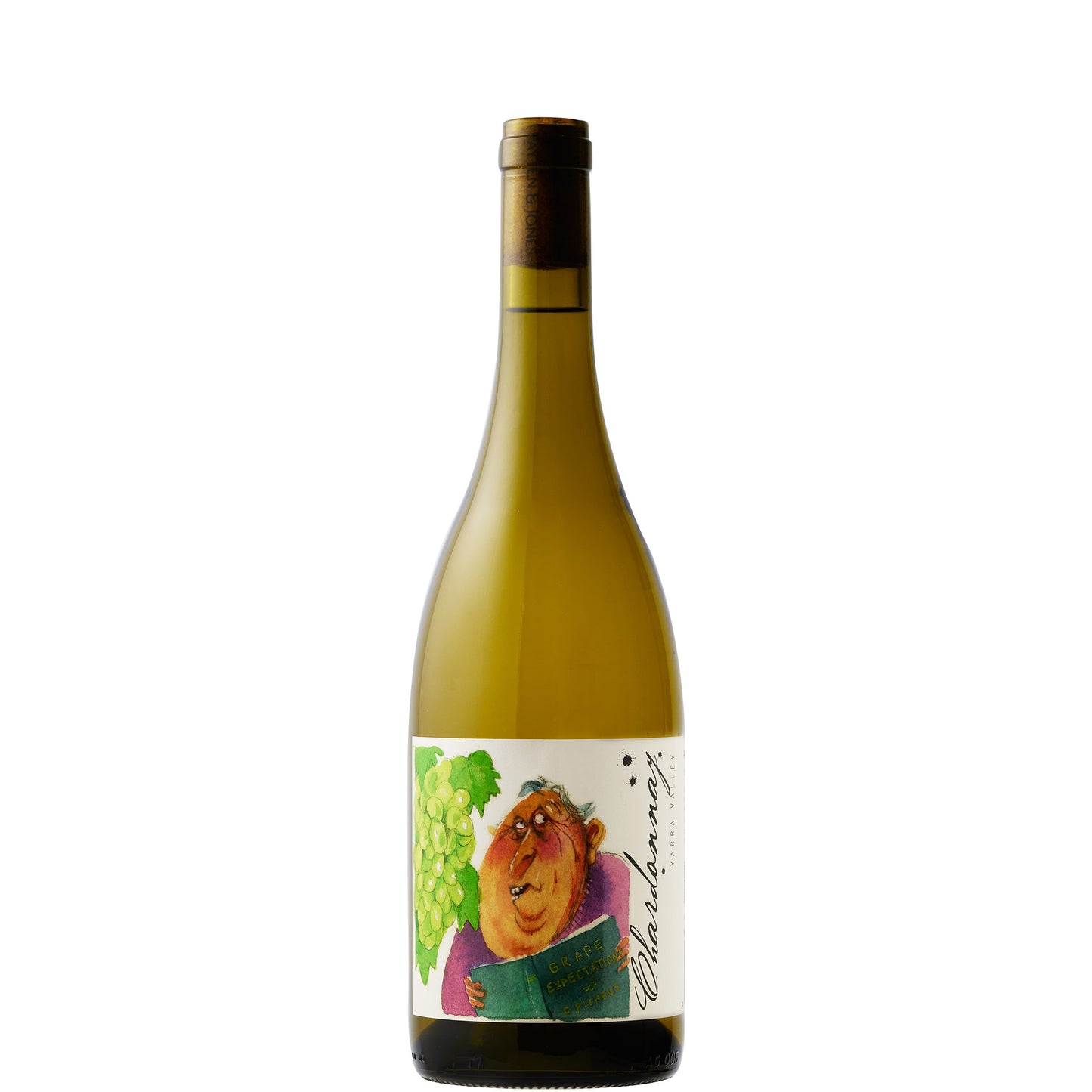
Payten & Jones, Valley Vignerons Chardonnay, 2018
Payten & Jones, Valley Vignerons Chardonnay, 2018
- White Still
- 75.0cl
- 13.0%
- Organic
- Chardonnay
Fresh pear and white peach lead the way here, followed by delicate floral notes, zesty lime and lemon, all finishing with a bright, sherbet-like twist. Fermented in a mix of stainless steel and French oak, the 2018 Chardonnay balances freshness with gentle texture and aromatic lift, keeping things lively rather than heavy.
It's a natural partner for grilled prawns, roast chicken or a simple lemony risotto.
- ❖ ABV: 13.0%
Grapes
Chardonnay
Vintage report
The 2018 growing season in the Yarra Valley unfolded with the kind of dramatic plot twists that keep winemakers awake at night and then reward them handsomely. A dry winter gave way to decent spring rains, setting the vines up nicely, but then summer arrived with a vengeance. January's scorching heat had everyone worried, yet the valley's cool-climate credentials held firm, particularly in the upper reaches where the best sites weathered the challenge with remarkable poise.
What emerged was a vintage of real character and surprising finesse given the seasonal drama. The Pinot Noirs show wonderful fruit intensity without the jammy heaviness you might expect from such a warm year, whilst the Chardonnays reveal that beautiful tension between richness and freshness that defines great Yarra Valley whites. We find these wines drinking beautifully now, showing their fruit with confidence whilst still holding plenty in reserve. The top examples will reward cellaring until the early 2030s, but frankly, they're far too delicious to ignore today.
Tasting Notes
AppearancePale gold with a faint green tinge and good clarity.
NoseFresh pear and white peach open things up, followed by a floral lift and zesty citrus — lime pith and lemon blossom. There's a subtle creaminess underneath that speaks to the French oak component without dominating.
PalateBright and lively with white stone fruit at the centre, a clean citrus thread running through, and gentle texture from the oak that adds body without softening the wine's natural drive. The acidity keeps everything honest and focused.
FinishClean and refreshing with a sherbet-like citrus snap that lingers pleasantly.
Overall impressionA well-made, food-friendly Chardonnay that knows exactly what it wants to be.
Food Pairings
In the Yarra Valley, where Melbourne's food culture bleeds naturally into weekend winery lunches, this style of Chardonnay is the default partner for seafood. Think a platter of freshly shucked oysters from the nearby coast, or tiger prawns grilled simply with garlic butter. A roast chicken with tarragon cream is the kind of thing you'd find at a long table on a valley winery terrace. Locally caught trout, pan-fried with almonds and lemon, would be another natural fit. The wine's bright acidity makes it equally at home with a sharp, creamy goat's cheese from one of the valley's artisan producers.
We think this wine would go well with
Serve at around 10-12°C — cold enough to stay refreshing, warm enough to let the fruit open up. No need to decant; just pull the cork twenty minutes before serving if you want to let it breathe slightly. A standard white Burgundy-style glass with a reasonably generous bowl will give the wine enough room to show its floral and citrus aromas without letting them dissipate too quickly.
The Yarra Valley sits at the cool end of the Australian winemaking spectrum, with elevations ranging from around 50 to 400 metres above sea level and a maritime-influenced climate that tempers the Australian sun. Chardonnay here ripens slowly, retaining the natural acidity that keeps wines like this taut and refreshing rather than flabby. Soils vary across the valley from grey sandy loams to red volcanic clay, and the resulting wines tend to combine fruit generosity with a structural precision you don't always find further north.
The Yarra Valley is Victoria's most celebrated cool-climate wine region, sitting in the ranges east of Melbourne. It has no strict appellation rules in the European sense, operating under Australia's Geographical Indications system, which governs the origin of fruit but places no restrictions on varieties, yields, or winemaking methods. What unites the region's best wines is a combination of cool temperatures, variable soils, and a winemaking culture that increasingly favours restraint over power — Chardonnay and Pinot Noir are its calling cards.
The 2018 growing season in the Yarra Valley unfolded with the kind of dramatic plot twists that keep winemakers awake at night and then reward them handsomely. A dry winter gave way to decent spring rains, setting the vines up nicely, but then summer arrived with a vengeance. January's scorching heat had everyone worried, yet the valley's cool-climate credentials held firm, particularly in the upper reaches where the best sites weathered the challenge with remarkable poise.
What emerged was a vintage of real character and surprising finesse given the seasonal drama. The Pinot Noirs show wonderful fruit intensity without the jammy heaviness you might expect from such a warm year, whilst the Chardonnays reveal that beautiful tension between richness and freshness that defines great Yarra Valley whites. We find these wines drinking beautifully now, showing their fruit with confidence whilst still holding plenty in reserve. The top examples will reward cellaring until the early 2030s, but frankly, they're far too delicious to ignore today.
FAQs
What does this Chardonnay taste like?
Fresh pear, white peach, and zesty lime with a sherbet-like lift on the finish. The texture is gentle rather than heavy thanks to a mix of stainless steel and French oak fermentation — this is bright, lively Chardonnay, not a big, buttery one.
When should I drink it?
Now, really. At eight years old it's in its sweet spot, with primary fruit still vivid and everything nicely balanced. We'd drink it before 2028 to catch it at its best.
Is it worth cellaring?
Not particularly. This is a wine built for freshness and early drinking pleasure rather than long-term development. It will hold until around 2028, but don't expect it to reveal hidden depths with more time — it's giving you everything it has right now.
What food should I serve it with?
Grilled prawns, roast chicken, or a simple lemony risotto are all natural partners. Anything with bright acidity or light creaminess in the dish will play nicely with the wine's character. Fresh seafood or a goat's cheese salad would also work very well.
How should I serve it?
Serve at around 10-12°C in a standard white Burgundy-style glass. No need to decant — just pour and enjoy, perhaps giving it twenty minutes out of the fridge before serving if you want the fruit aromas to open up fully.
Want to know more?
Discuss your requirements with our account managers, Jeremy & Jen

-
Personal Service
- Our team are always on hand to support you, taking orders online, by phone or email & responding to urgent requests.
- Our efficient warehouse & team of drivers always go the extra mile to deliver our wines to you.
- Our new, high-capacity warehouse ensures excellent availability of wines.
- Our new enterprise platform means hassle-free service, from inventory to billing.
-
Our Sales Team
Speak to one of our teamJeremy Cowan
After managing his own stores and a further stint in independent retail, Jeremy has dedicated 12 years to trade sales in the North West.
Jen Neilan
Twenty years in hospitality later, after curating the wine list for Manchester’s first Neapolitan pizza restaurant, and running a natural wine bar, Jen made the move to the other side of the table.