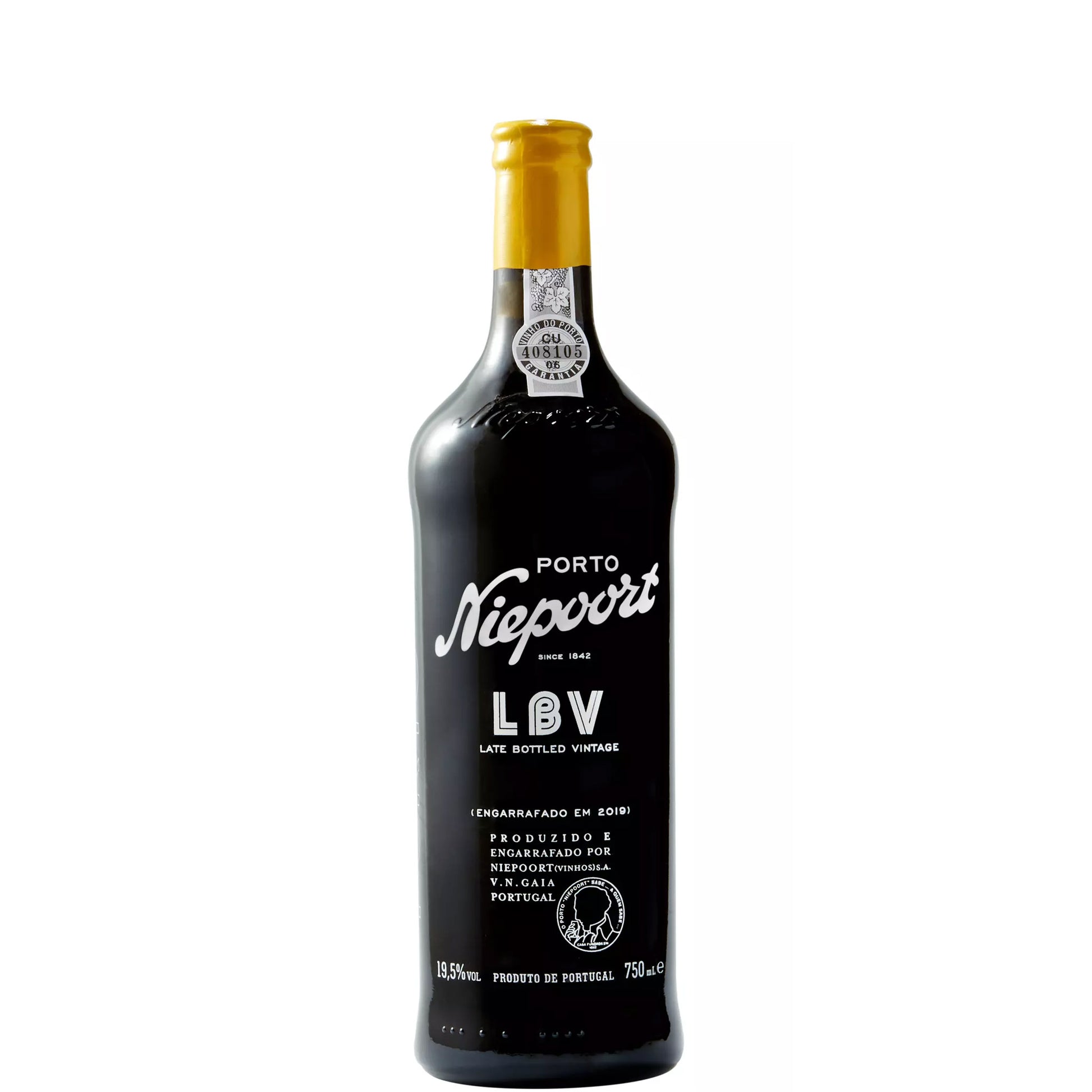

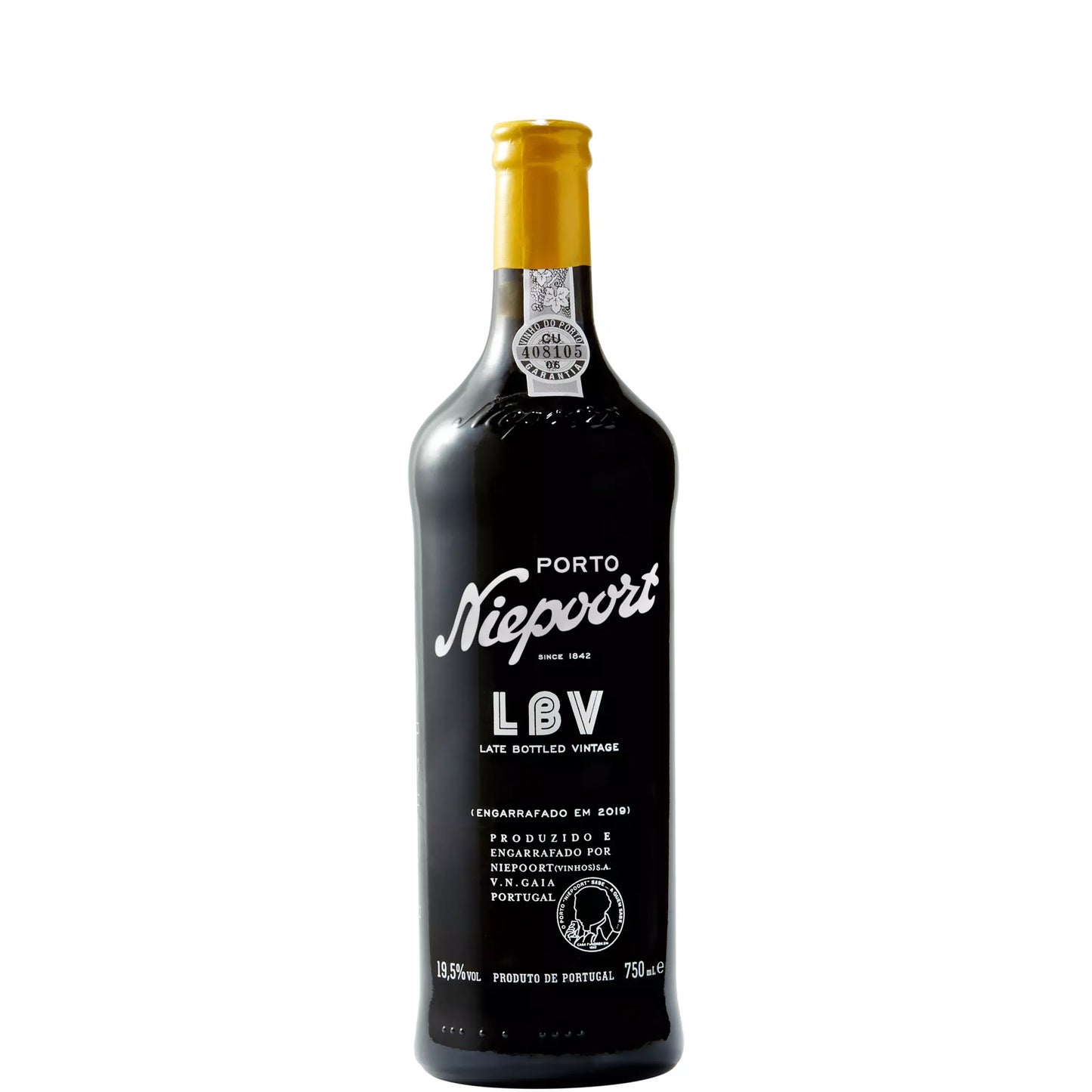
Niepoort, Late Bottled Vintage Port, 2020
Niepoort, Late Bottled Vintage Port, 2020
- Fortified
- 75.0cl
- 19.5%
- Organic
- Biodynamic
- Touriga Nacional, Touriga Franca, Tinta Roriz, Tinta Barroca
Niepoort's Late Bottled Vintage is one of the more honest expressions of the LBV style: unfiltered, traditionally made, and bottled after four years in cask rather than polished up for early drinking. The 2020 vintage was outstanding in the Douro, producing concentrated fruit with genuine structure, and Niepoort have done nothing to flatten that out. This is an LBV that behaves more like a young Vintage Port than most of its category cousins — which is entirely the point.
We find dark plum and black cherry up front, with bitter chocolate, a trace of dried fig, and a peppery warmth from the spirit. The tannins are firm but not aggressive, and there's enough freshness to keep it lively. Drink it now with a decant, or hold it for another five to eight years. Either way, do not underestimate it.
- ❖ ABV: 19.5%
Grapes
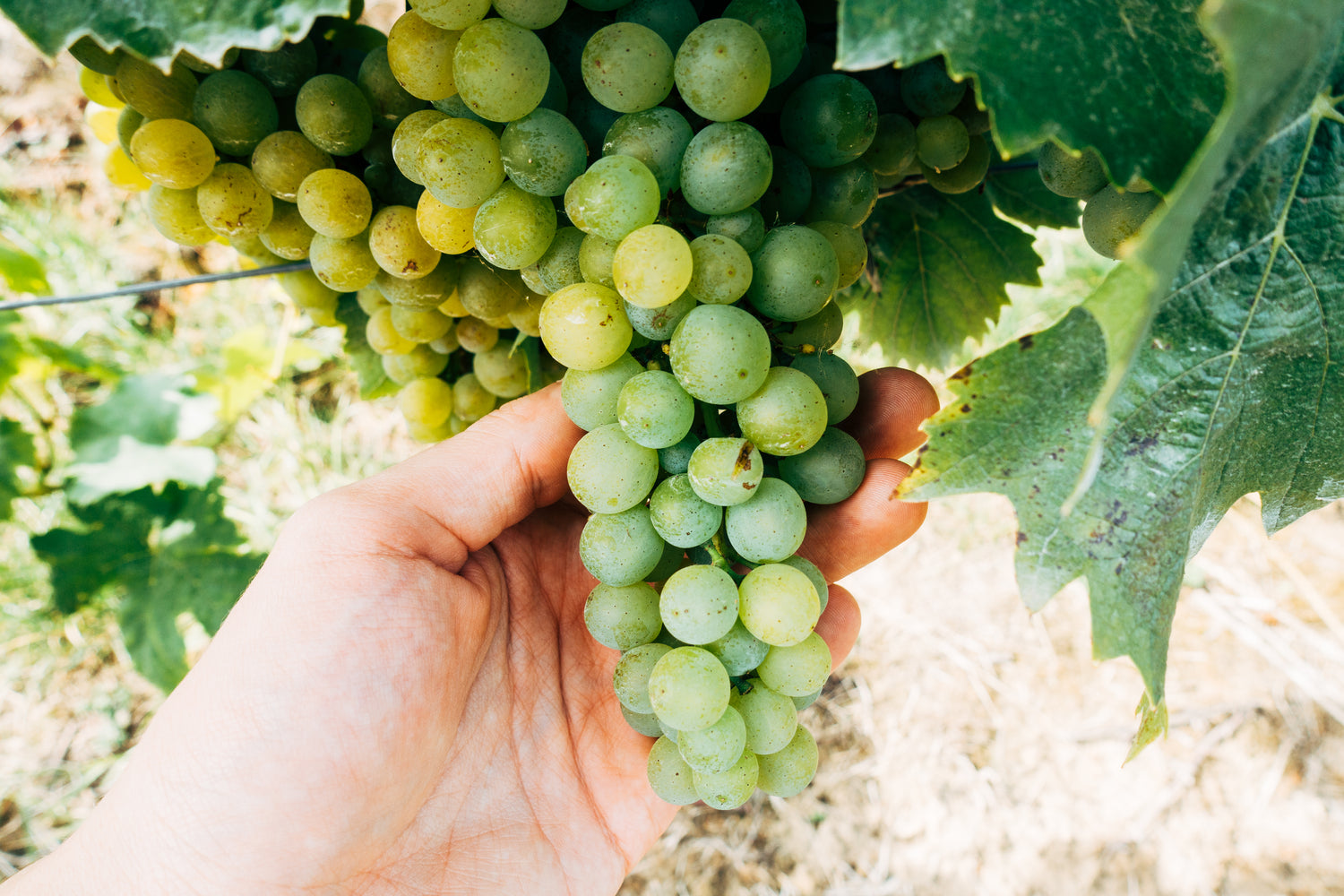
Touriga Nacional, Touriga Franca, Tinta Roriz, Tinta Barroca
Vintage report
The 2020 growing season in the Douro was defined by heat and drought — nothing unusual for this sun-baked schist landscape, but both arrived with particular intensity that year. A dry winter set the tone, and summer temperatures pushed hard through July and August, stressing vines and concentrating sugars rapidly. Growers who managed yields carefully and picked at the right moment were rewarded; those who hesitated found themselves chasing ripeness that had already tipped past the point of freshness. It was a vintage that punished complacency and rewarded experience.
The wines that emerged are powerful and dense, with Touriga Nacional and Touriga Franca producing reds of serious structure and dark fruit concentration. At their best, these are wines with real grip and depth — not brute force, but wines that mean business. The best table wines will reward patience; we'd give the more ambitious bottles until 2028 to 2032, though well-made examples at the mid-tier are drinking well now, particularly if decanted generously.
Tasting Notes
AppearanceDeep ruby-garnet, dense and opaque at the core with a narrowing purple rim that speaks to four years in cask.
NoseDark plum and black cherry lead, with bitter chocolate, dried fig, and a dusting of cinnamon and black pepper. There's a wild, slightly earthy quality underneath — the hallmark of an unfiltered, traditionally made Port that hasn't been tidied up for mass appeal.
PalateFull-bodied and concentrated, with firm but resolved tannins and a seam of fresh acidity that stops the richness from becoming heavy. The fruit is dark and generous — black cherry, damson, a hint of dried plum — and the fortifying spirit integrates well, adding warmth without heat.
FinishLong and spiced, with lingering dark chocolate and a mineral, slightly grippy persistence that makes you reach for another sip.
Overall impressionAn LBV that punches well above its category weight — serious, structured, and worth every bit of patience you can spare it.
Food Pairings
In Porto, this style of Port would classically follow a meal rather than accompany it — served with a wedge of aged Queijo Serra da Estrela, the raw sheep's milk cheese whose funky, almost liquid richness is tailor-made for sweet, tannic Port. Dark chocolate is the other natural partner, especially bitter varieties where the cocoa intensity meets the wine's own chocolatey depth. Locally, you'd also find it alongside bolo de bolacha, the Portuguese biscuit and coffee cream cake that manages to be both simple and deeply satisfying. And if you're feeling adventurous, try it with a plate of presunto — Portuguese dry-cured ham — where the salt and fat cut straight through the sweetness.
We think this wine would go well with
Decant for at least 30 minutes before serving, or up to an hour if the wine has been resting for several years — as an unfiltered LBV, it may throw a small sediment. Serve at around 16-18°C: cold enough to keep the freshness alive, warm enough to open up the fruit and spice. A standard tulip-shaped Port glass works well, concentrating the aromas without overwhelming them. Avoid serving too cold, which will tighten the tannins and muffle the wine's considerable charm.
The Douro Valley's vineyards are carved into steep schist hillsides at altitudes ranging from 100 to over 700 metres, with the schist's poor, free-draining soils forcing vines deep in search of water and nutrients. The continental climate is extreme: summers are brutally hot and dry, winters bitterly cold, and the surrounding mountains shield the valley from Atlantic rain. The 2020 growing season saw warm, dry conditions that concentrated fruit sugars while preserving acidity — a combination that produced powerful, structured wines with real longevity.
Port is made in the Douro Demarcated Region, one of the world's oldest protected wine appellations, established in 1756 under the Marquis of Pombal. Late Bottled Vintage Port must come from a single declared year and spend between four and six years in cask before bottling. Unlike Vintage Port, LBV can be released without further ageing, though traditionally made, unfiltered examples like Niepoort's can and do benefit from additional time in bottle. The category spans a wide spectrum from commercial filtered versions to serious, cellar-worthy wines — Niepoort sits firmly at the serious end.
The 2020 growing season in the Douro was defined by heat and drought — nothing unusual for this sun-baked schist landscape, but both arrived with particular intensity that year. A dry winter set the tone, and summer temperatures pushed hard through July and August, stressing vines and concentrating sugars rapidly. Growers who managed yields carefully and picked at the right moment were rewarded; those who hesitated found themselves chasing ripeness that had already tipped past the point of freshness. It was a vintage that punished complacency and rewarded experience.
The wines that emerged are powerful and dense, with Touriga Nacional and Touriga Franca producing reds of serious structure and dark fruit concentration. At their best, these are wines with real grip and depth — not brute force, but wines that mean business. The best table wines will reward patience; we'd give the more ambitious bottles until 2028 to 2032, though well-made examples at the mid-tier are drinking well now, particularly if decanted generously.
FAQs
What does Niepoort's Late Bottled Vintage taste like?
Dark plum, black cherry, and bitter chocolate with a lick of dried spice and firm, grippy tannins. It's richer and more structured than most LBVs — closer in spirit to a young Vintage Port than the commercial end of the category.
When should I drink the 2020?
It's drinking well now and will continue to improve until around 2032, with a broad plateau of pleasure until 2035. Decant it if you're opening it today — give it at least 30 minutes to open up.
Is this worth cellaring?
Yes, more so than most LBVs. Niepoort makes their Late Bottled Vintage unfiltered and in a traditional style, which means it genuinely develops in bottle rather than simply fading. If you can hold it for five to eight years, you'll be rewarded with greater complexity and softer tannins.
What food should I serve this with?
Dark chocolate is the obvious match — the bitterer the better. Aged sheep's milk cheese, particularly Portuguese Serra da Estrela, is superb. It also works well alongside a charcuterie board, especially dry-cured ham, where the salt cuts through the sweetness beautifully.
How is this different from a Vintage Port?
Vintage Port is bottled after just two years in cask and requires years — sometimes decades — in bottle before it's ready. LBV spends four to six years in cask, doing some of that work before you buy it. Niepoort's unfiltered version sits closer to Vintage Port in character than most, but it's approachable sooner and considerably more affordable.
Does this need to be decanted?
We'd strongly recommend it. Being unfiltered, it may have a small sediment — stand the bottle upright for a few hours first, then pour carefully. Even without sediment, 30 to 60 minutes in a decanter will open the wine up considerably and let those dark fruit and spice notes breathe.
Want to know more?
Discuss your requirements with our account managers, Stephanie, Ed, & Jen
-
Personal Service
- Our team are always on hand to support you, taking orders online, by phone or email & responding to urgent requests.
- Our efficient warehouse & team of drivers always go the extra mile to deliver our wines to you.
- Our new, high-capacity warehouse ensures excellent availability of wines.
- Our new enterprise platform means hassle-free service, from inventory to billing.
-
Our Sales Team
Speak to one of our teamStephanie Duncan
With 25+ years in the wine trade, Steph knows the UK market inside out, from premium wine and wholesale to hospitality and retail. A WSET Diploma holder and unapologetic Champagne fan, she loves building great relationships and finding exciting wines.
Jen Neilan
Twenty years in hospitality later, after curating the wine list for Manchester’s first Neapolitan pizza restaurant, and running a natural wine bar, Jen made the move to the other side of the table.