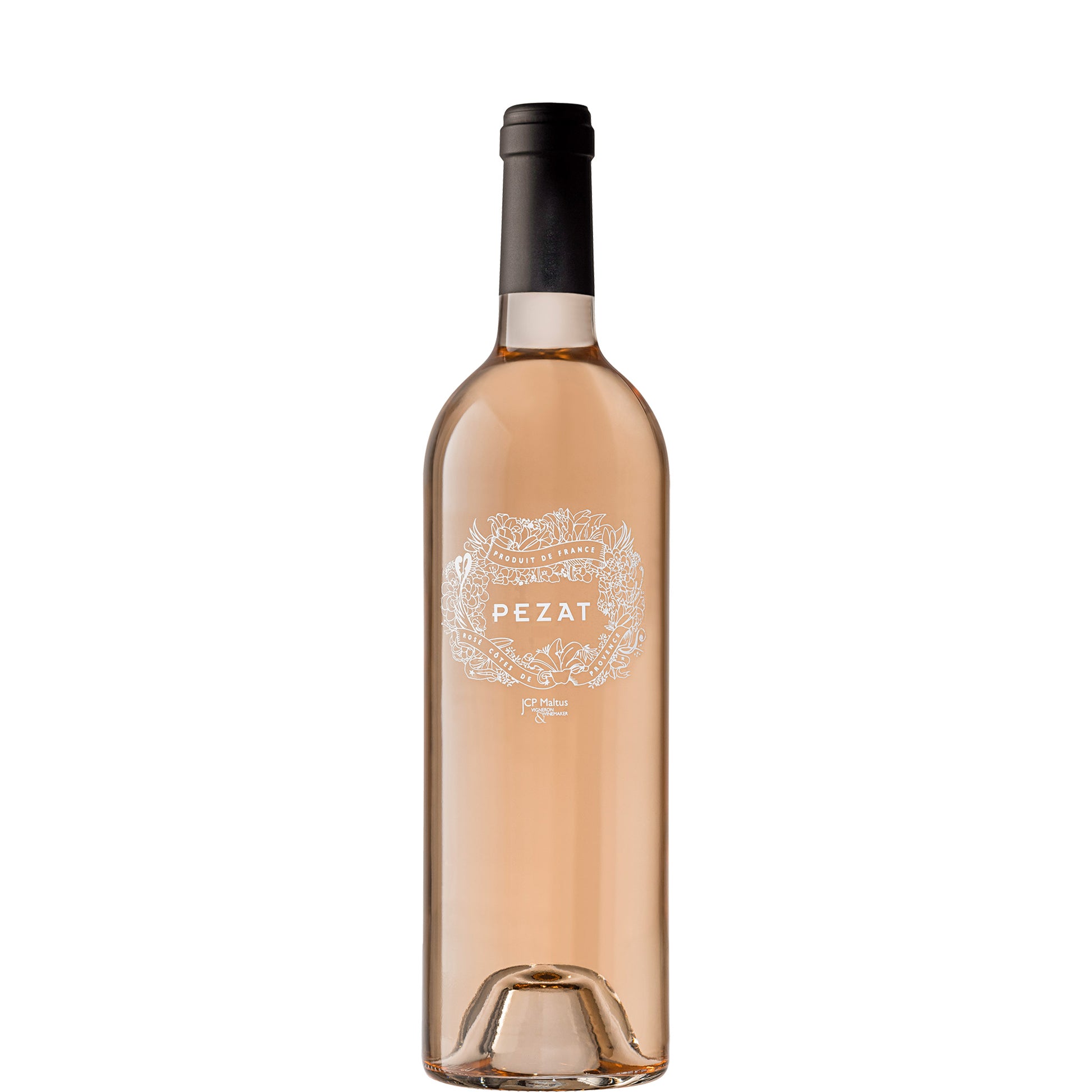
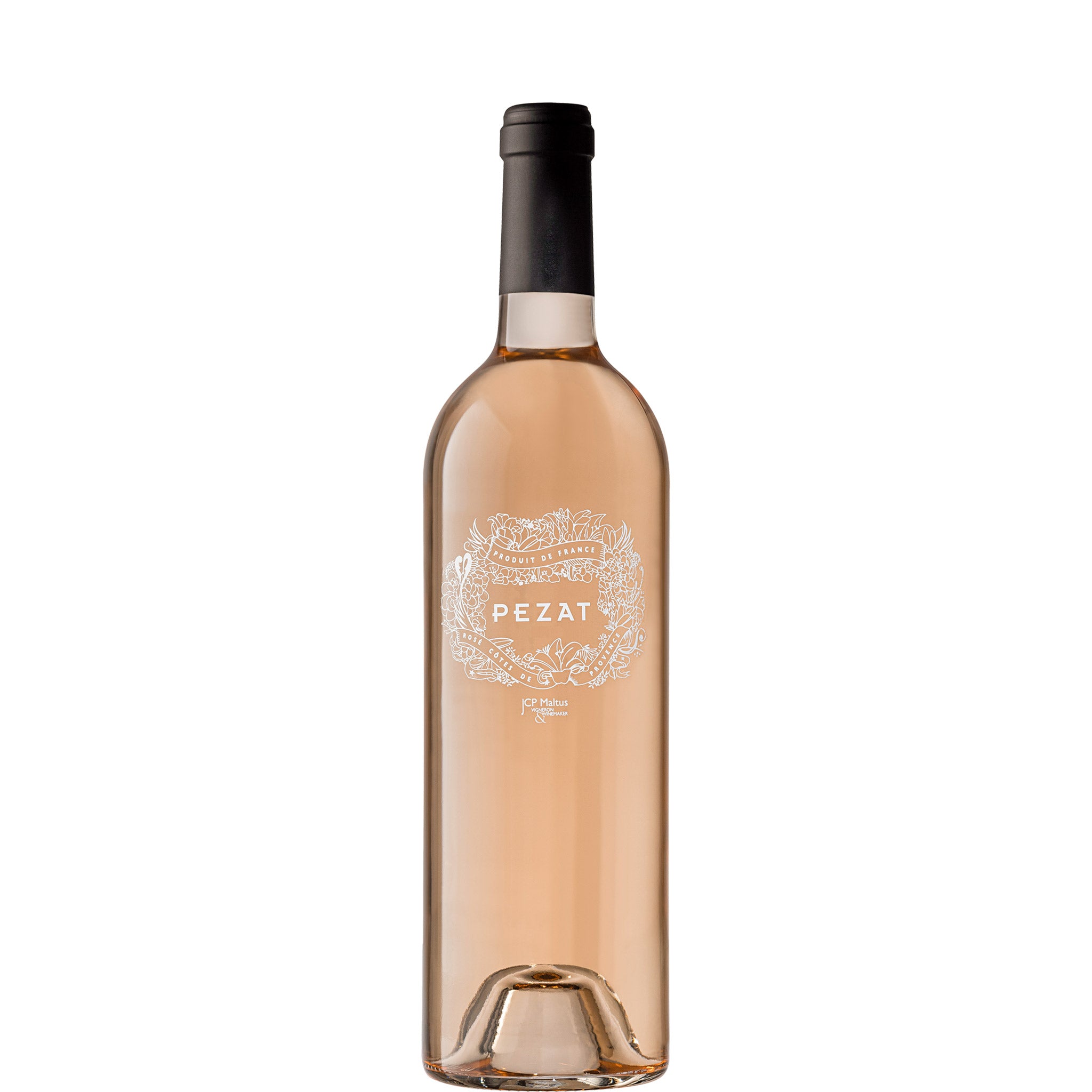
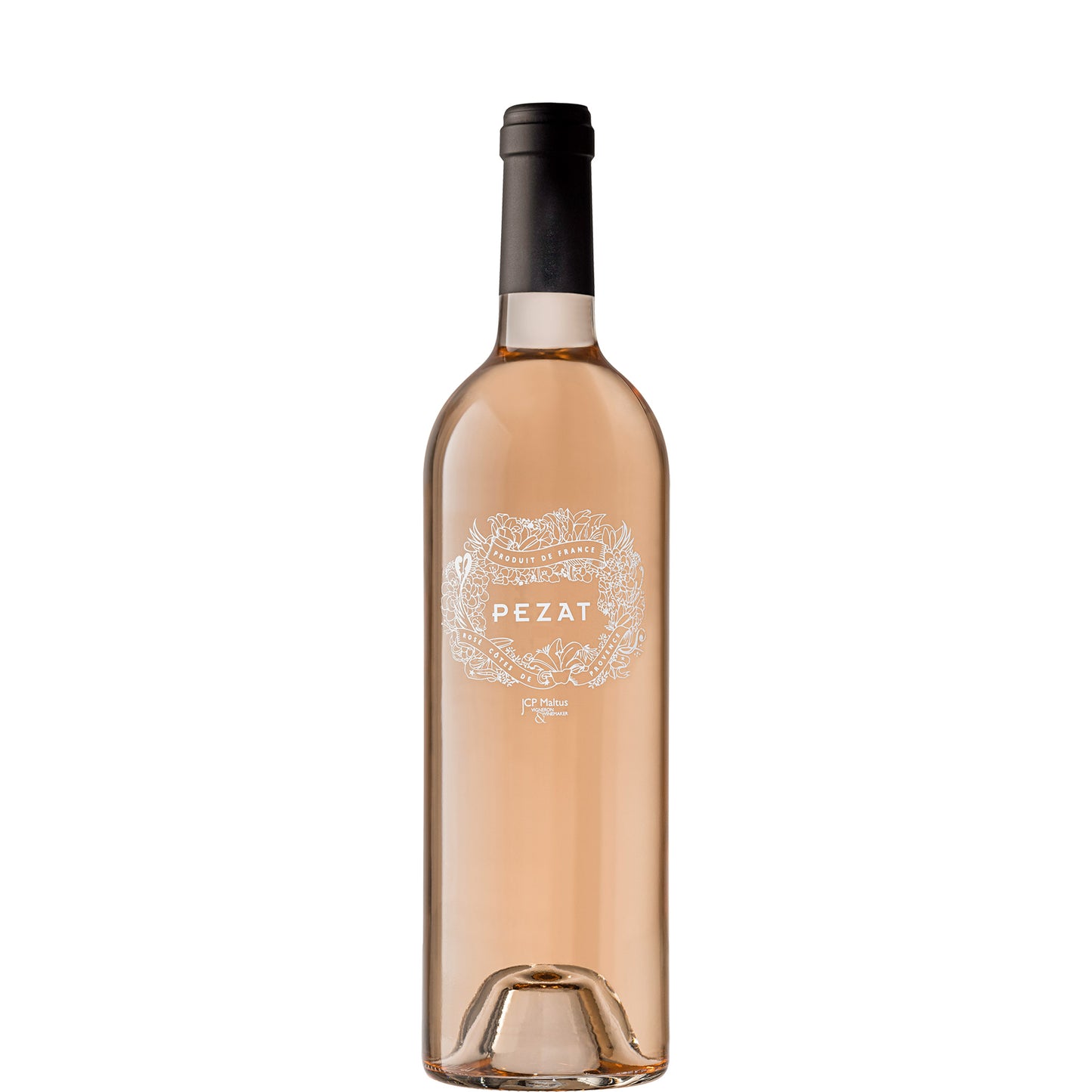
JCP Maltus, Château Teyssier Pezat Rosé, 2025
JCP Maltus, Château Teyssier Pezat Rosé, 2025
- Rosé Still
- 75.0cl
- 13.0%
- Grenache, Cinsault, Syrah
Pezat Rosé is Jonathan Maltus’ first French wine outside Bordeaux, and for this one he’s headed south to Provence. The 2025 is a classic blend of Grenache, Cinsault and Syrah, with Grenache bringing the lift and roundness, Cinsault the juicy red fruit, and Syrah adding a little spice and structure.
In the glass, this is light-footed and vivid — strawberry, white peach, a whisper of citrus peel — with a saline, almost stony finish that lifts it well above your average garden-party pour. Drink it young, drink it cold, and don't overthink it.
- ❖ ABV: 13.0%
Grapes
Grenache, Cinsault, Syrah
Vintage report
The 2025 vintage in Provence is, at the time of writing, still being assembled and assessed — the harvest only concluded in autumn 2024, and we're working with early reports rather than settled consensus. What we can say is that the season followed a now-familiar southern French pattern: a dry, warm summer with periodic stress on the vines, requiring careful canopy management and yield control to maintain freshness. Early indications point to wines with concentration and genuine depth of fruit, though the better producers worked hard to preserve the acidity that gives Provençal rosé its backbone rather than weight.
Across the appellation, the Grenache, Cinsault, and Mourvèdre-based rosés appear bright and precise, with the kind of dry, stony character that makes serious Provence worth seeking out. The reds, where yields were managed well, look promising — perhaps a step up on some of the leaner recent vintages. Most rosés are drinking beautifully now and will reward opening over the next two to three years; hold the best reds until 2027 or beyond.
Tasting Notes
AppearancePale salmon-pink with a faint copper rim, clear and bright in the glass.
NoseFresh and immediate: ripe strawberry, white peach, and a subtle citrus blossom lift. There's a quiet mineral note underneath, like damp limestone, that stops it tipping into confection.
PalateDry and medium-bodied, with lively acidity that keeps everything crisp and focused. The fruit — red cherry, peach skin, a sliver of watermelon — is generous without being showy, underpinned by that saline, stony edge from the clay-limestone soils.
FinishClean and refreshing, with a mineral persistence that lingers longer than the wine's casual appearance might suggest.
Overall impressionA genuinely accomplished Bordeaux rosé that earns its place at the table rather than just beside the pool.
Food Pairings
In Provence, this rosé would naturally accompany the local bouillabaisse with its saffron-scented broth and fresh Mediterranean fish. Salade Niçoise with its anchovies, olives, and tomatoes makes a perfect match, as does grilled loup de mer with herbs de Provence. The locals might also pair it with tapenade on crusty bread, ratatouille, or simply grilled vegetables drizzled with good olive oil. The wine's dry character and bright acidity cut through the richness of olive oil whilst complementing the sun-warmed flavours of Provençal cuisine.
We think this wine would go well with
Serve well chilled, between 8 and 10°C — err on the cooler side and let it warm slightly in the glass. No need to decant; just open and pour. A standard white wine or tulip-shaped glass works perfectly, keeping the aromatics focused without letting the chill dissipate too quickly.
The Provence vineyards benefit from the Mediterranean climate with its hot, dry summers and mild winters. The combination of limestone soils and the cooling Mistral winds helps preserve acidity in the grapes whilst allowing for full phenolic ripeness. This terroir is particularly suited to Grenache, Cinsault, and Syrah, varieties that thrive in the warm, dry conditions whilst maintaining the freshness essential for quality rosé production.
Provence is France's largest rosé-producing region, setting the global standard for dry, elegant pink wines. The appellation rules favour the traditional Provençal varieties like Grenache, Cinsault, and Syrah, with strict limits on extraction to maintain the pale colour and fresh character. Unlike some New World rosés that can be sweet or overly fruity, Provence rosé is defined by its bone-dry finish and mineral precision. The region's reputation has elevated rosé from a simple summer sipper to a wine of genuine sophistication.
The 2025 vintage in Provence is, at the time of writing, still being assembled and assessed — the harvest only concluded in autumn 2024, and we're working with early reports rather than settled consensus. What we can say is that the season followed a now-familiar southern French pattern: a dry, warm summer with periodic stress on the vines, requiring careful canopy management and yield control to maintain freshness. Early indications point to wines with concentration and genuine depth of fruit, though the better producers worked hard to preserve the acidity that gives Provençal rosé its backbone rather than weight.
Across the appellation, the Grenache, Cinsault, and Mourvèdre-based rosés appear bright and precise, with the kind of dry, stony character that makes serious Provence worth seeking out. The reds, where yields were managed well, look promising — perhaps a step up on some of the leaner recent vintages. Most rosés are drinking beautifully now and will reward opening over the next two to three years; hold the best reds until 2027 or beyond.
FAQs
What does the Pezat Rosé taste like?
Dry, fresh, and lively — strawberry, white peach, and a stony mineral edge. It's not a big, rich rosé; it's precise and food-friendly, with a clean finish that keeps you coming back for another glass.
When should I drink this wine?
Now, ideally. The 2025 is at its best from release and will stay in fine form until around 2028, but the freshness and vivid fruit that make it so appealing are at their peak right now.
What food works well with this rosé?
Seafood is the obvious answer — oysters, prawns, or a simple fish dish. It's also excellent with charcuterie, soft cheeses, or a summer salad. Anything light and fresh will work; anything heavy or richly sauced will overpower it.
How should I serve it?
Serve it well chilled, between 8 and 10°C. No need to decant — just open, pour, and enjoy. A standard white wine glass is all you need.
Is this worth cellaring?
No. This is a wine made for pleasure in the near term, not for the cellar. Drink it young while the fruit is bright and the acidity is lively — that's the whole point of a wine like this.
Who makes this wine and why should I trust them?
JCP Maltus is the operation of Jonathan and Lucy Maltus, who have spent decades building a serious portfolio of Bordeaux estates. Château Teyssier is their home base, and the Pezat label represents their work in the Provence. These are people who know the region inside out and make wine with genuine care and precision.
Want to know more?
Discuss your requirements with our account managers, Jeremy & Jen

-
Personal Service
- Our team are always on hand to support you, taking orders online, by phone or email & responding to urgent requests.
- Our efficient warehouse & team of drivers always go the extra mile to deliver our wines to you.
- Our new, high-capacity warehouse ensures excellent availability of wines.
- Our new enterprise platform means hassle-free service, from inventory to billing.
-
Our Sales Team
Speak to one of our teamJeremy Cowan
After managing his own stores and a further stint in independent retail, Jeremy has dedicated 12 years to trade sales in the North West.
Jen Neilan
Twenty years in hospitality later, after curating the wine list for Manchester’s first Neapolitan pizza restaurant, and running a natural wine bar, Jen made the move to the other side of the table.