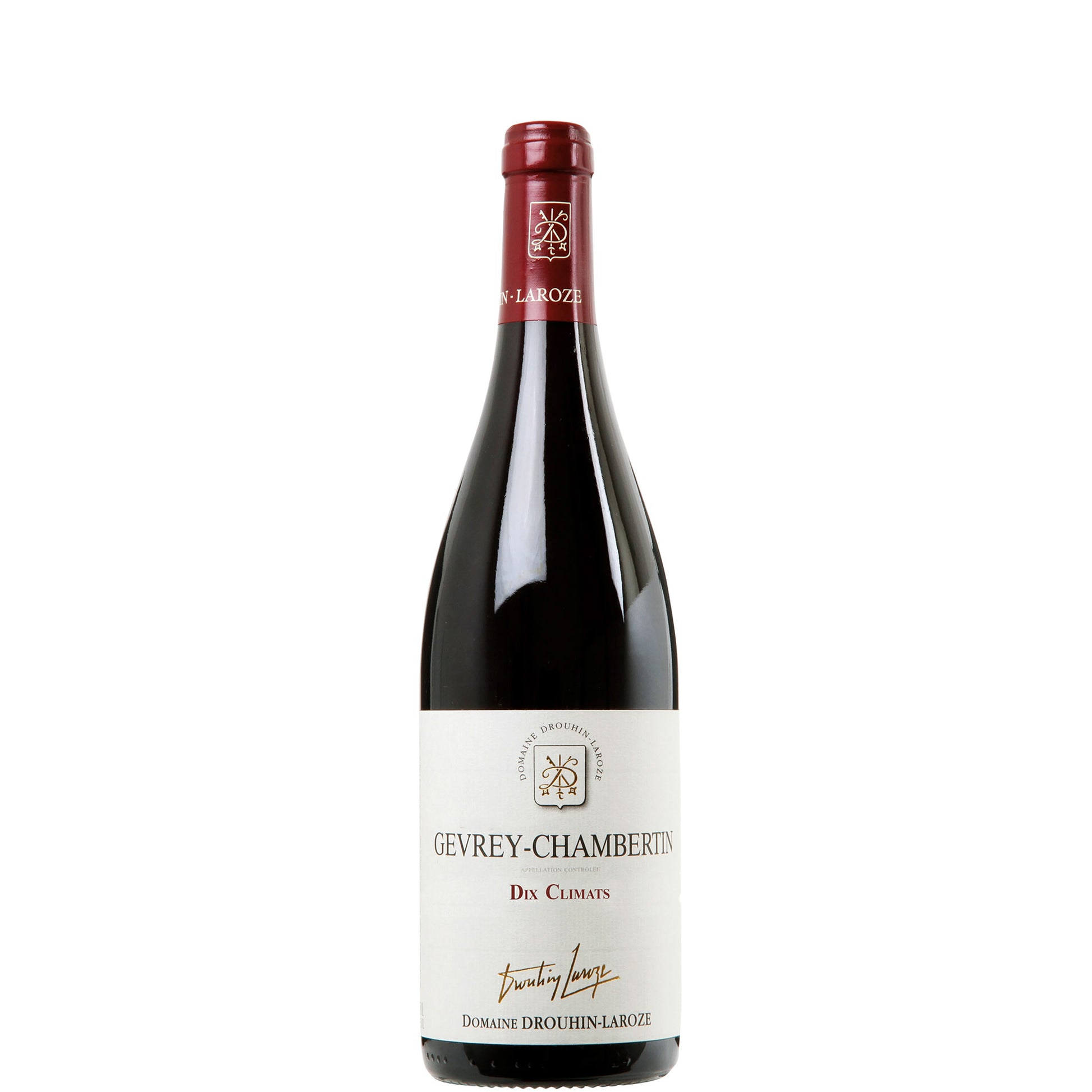

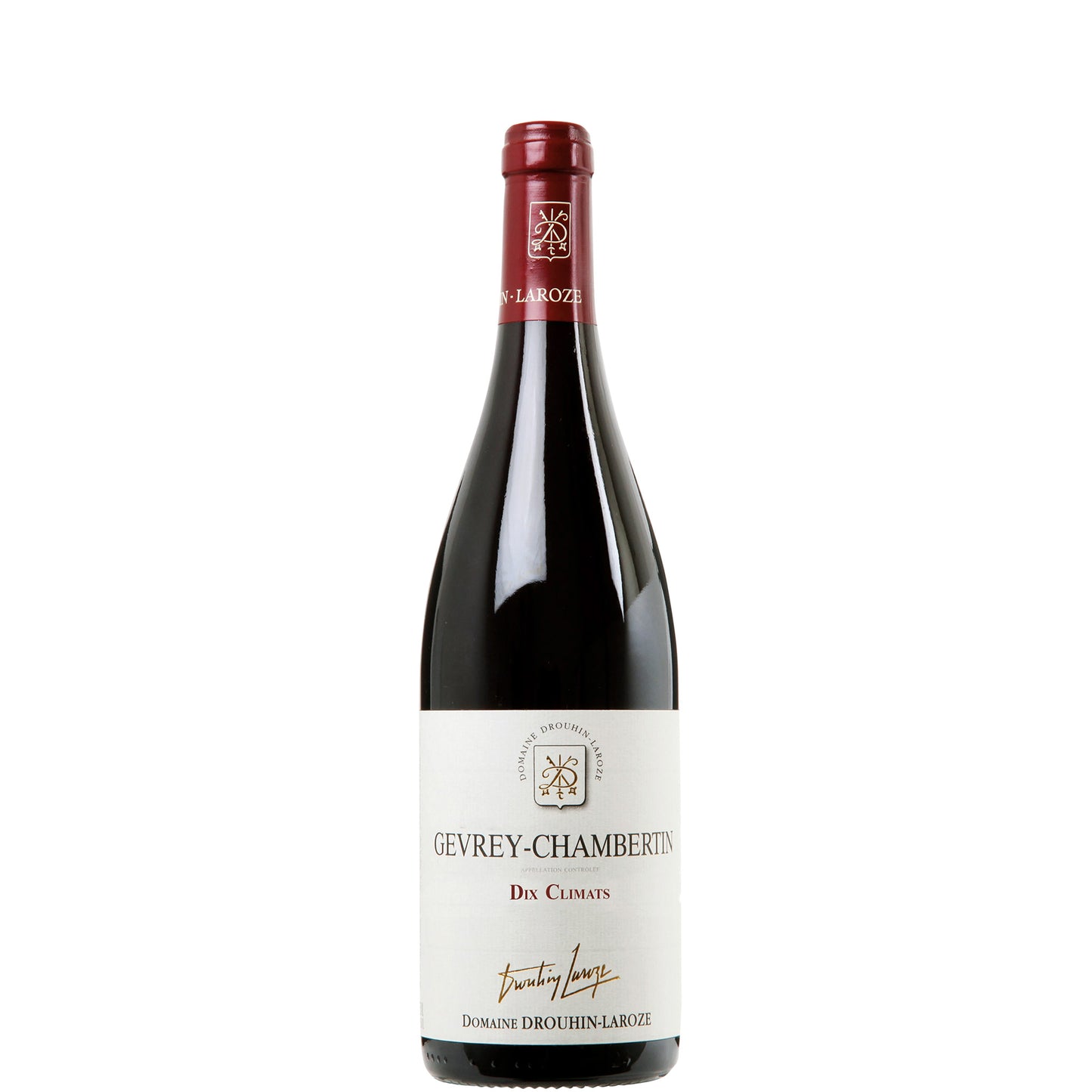
Gevrey-Chambertin 'Dix Climats', Domaine Drouhin-Laroze, 2023
Gevrey-Chambertin 'Dix Climats', Domaine Drouhin-Laroze, 2023
- Red Still
- 75.0cl
- 13.0%
- Pinot Noir
Gevrey-Chambertin is Burgundy's most muscular village, famous for producing Pinot Noir with real backbone — wines that can strut where others merely pirouette. Drouhin-Laroze's 'Dix Climats' is a village-level blend drawn from ten different plots across the appellation, which is exactly as interesting as it sounds. Rather than a single-vineyard snapshot, you get a composite portrait of Gevrey: the savoury earth, the dark cherry fruit, and that characteristic grip that sets it apart from softer neighbours like Chambolle or Volnay.
The 2023 vintage in Burgundy was warm and generous, producing wines with lovely natural ripeness without tipping into the overblown. We find this one sits nicely in that balance — approachable in its youth but with enough structure to reward a few years' patience.
- ❖ ABV: 13.0%
Grapes
Pinot Noir
Vintage report
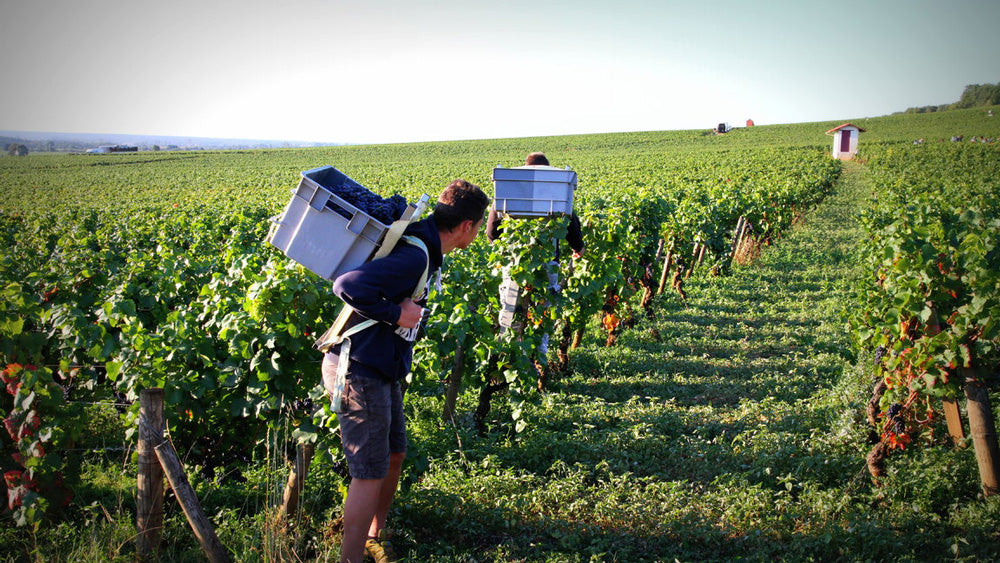
The 2023 growing season in Burgundy unfolded like a cautionary tale about climate change, then pulled off a last-minute redemption that left everyone rather stunned. After a warm, early spring pushed budbreak ahead of schedule, the vines endured a thoroughly miserable summer of persistent rain and cool temperatures that had growers muttering darkly about rot and dilution. Just when things looked dire, September arrived with glorious sunshine and dry winds that concentrated the fruit and saved the harvest—though not without some frantic sorting in the cellars.
What emerged from this meteorological rollercoaster are wines that wear their vintage on their sleeve: Pinot Noirs with bright, singing acidity and red fruit that feels almost crystalline in its purity, whilst the Chardonnays show remarkable tension and mineral drive. The reds are drinking beautifully now if you fancy immediate pleasure, but we suspect the better villages and premiers crus will reward patience over the next decade. It's not a powerhouse vintage, but there's something genuinely charming about these wines—they remind us why we fell for Burgundy in the first place.
Tasting Notes
AppearanceClear, medium ruby with a lively, youthful rim.
NoseLifted red and dark cherry with violet and a thread of forest floor beneath. There is a pleasing earthy spice — something between dried thyme and iron — that is very much the Gevrey signature. The oak is present but well-integrated, adding a faint smokiness rather than dominating.
PalateMedium to full-bodied with the characteristic Gevrey grip: tannins that are firm but not harsh, framing cherry and plum fruit with a savoury, slightly mineral core. The 2023 warmth shows in the ripe, generous mid-palate, but there is enough freshness to keep everything honest. Ten plots' worth of complexity gives this real interest across the glass.
FinishLong and mineral, with lingering spice and a faint iron note that is very Gevrey.
Overall impressionA confident, characterful village Burgundy that earns its address.
Food Pairings
In Gevrey itself, this would land on the table alongside boeuf bourguignon, the Burgundian slow-braised beef dish where the wine and the plate mirror each other's earthiness. Coq au vin is the other obvious pairing — and not without reason. Locally, you would also see this with époisses, the pungent washed-rind cheese from the Côte d'Or that has an almost magnetic affinity with village Gevrey. A simple roast guinea fowl with lardons and wild mushrooms is perhaps the most elegant match: earthy, savoury, and just rich enough to flatter the wine without overwhelming it.
We think this wine would go well with
Serve at 16-17°C — slightly cooler than you might instinctively reach for, which keeps the freshness alive. A 30-minute decant will open the wine up nicely in its youth; if you are drinking it closer to 2030 or beyond, it may need less. Use a large Burgundy bowl to let the aromatics breathe and to soften the perception of tannin.
Gevrey-Chambertin sits at the northern end of the Côte de Nuits, where the limestone-rich soils carry more clay than in communes further south, giving the wines their characteristic density and grip. The 'Dix Climats' draws from ten plots spread across the village, meaning the wine captures a range of exposures and soil profiles rather than the singular character of one parcel. Altitude sits broadly between 250 and 320 metres, with the best village sites sitting on gentle east-facing slopes that catch morning sun and retain enough coolness to preserve acidity. It is this combination of limestone structure and clay weight that gives Gevrey its distinctive iron-fisted-in-velvet-glove quality.
Gevrey-Chambertin is arguably the most famous red wine village in Burgundy, anchored by nine grands crus including the mighty Chambertin itself. At village level, wines must be 100% Pinot Noir and come from the broader communal zone, which takes in everything from the slopes proper down toward the flatter, heavier soils nearer the RN74. The result is an appellation with real range — some village Gevrey is structured and age-worthy, some is lighter and more immediately accessible, depending on where the fruit comes from. What unites them is a savoury, spiced, slightly earthy character that distinguishes Gevrey from the more floral Chambolle-Musigny to its south.
The 2023 growing season in Burgundy unfolded like a cautionary tale about climate change, then pulled off a last-minute redemption that left everyone rather stunned. After a warm, early spring pushed budbreak ahead of schedule, the vines endured a thoroughly miserable summer of persistent rain and cool temperatures that had growers muttering darkly about rot and dilution. Just when things looked dire, September arrived with glorious sunshine and dry winds that concentrated the fruit and saved the harvest—though not without some frantic sorting in the cellars.
What emerged from this meteorological rollercoaster are wines that wear their vintage on their sleeve: Pinot Noirs with bright, singing acidity and red fruit that feels almost crystalline in its purity, whilst the Chardonnays show remarkable tension and mineral drive. The reds are drinking beautifully now if you fancy immediate pleasure, but we suspect the better villages and premiers crus will reward patience over the next decade. It's not a powerhouse vintage, but there's something genuinely charming about these wines—they remind us why we fell for Burgundy in the first place.
FAQs
What does 'Dix Climats' mean?
'Dix Climats' translates simply as 'ten plots' — a reference to the fact that this wine is blended from ten different parcels across the Gevrey-Chambertin village appellation. Rather than expressing a single vineyard, it is Drouhin-Laroze's way of offering a broad, composite portrait of the village.
What does this wine taste like?
Think firm, savoury red Burgundy: cherry and dark plum fruit with violet, forest floor, and an earthy, iron-edged mineral quality. The 2023 vintage adds a little extra ripeness and generosity. The tannins have real grip without being heavy.
When should I drink it?
We would give it until 2027 to settle, though it is perfectly drinkable now if you decant it. The best window is probably 2028 to 2035, when the structure and fruit find their balance. It should hold until around 2038 in a good cellar.
What food should I serve with it?
Classic Burgundian dishes work best: boeuf bourguignon, coq au vin, roast guinea fowl with mushrooms. If you want something simpler, a plate of aged Comté or a lentil and lardons salad will do the job very well.
How should I serve it?
Serve at 16-17°C in a large Burgundy bowl. Decant for around 30 minutes if drinking it young. Older vintages may need less time in the decanter as the wine will be more fragile.
Is it worth cellaring?
Yes, if you have the patience. It is a well-made village Gevrey from a respected domaine in a generous vintage, and it will reward four to eight years in the cellar. The tannins need time, and the complexity that emerges at peak drinking makes the wait worthwhile.
Want to know more?
Discuss your requirements with our account managers, Jeremy & Jen
-
Personal Service
- Our team are always on hand to support you, taking orders online, by phone or email & responding to urgent requests.
- Our efficient warehouse & team of drivers always go the extra mile to deliver our wines to you.
- Our new, high-capacity warehouse ensures excellent availability of wines.
- Our new enterprise platform means hassle-free service, from inventory to billing.
-
Our Sales Team
Speak to one of our teamJeremy Cowan
After managing his own stores and a further stint in independent retail, Jeremy has dedicated 12 years to trade sales in the North West.
Jen Neilan
Twenty years in hospitality later, after curating the wine list for Manchester’s first Neapolitan pizza restaurant, and running a natural wine bar, Jen made the move to the other side of the table.