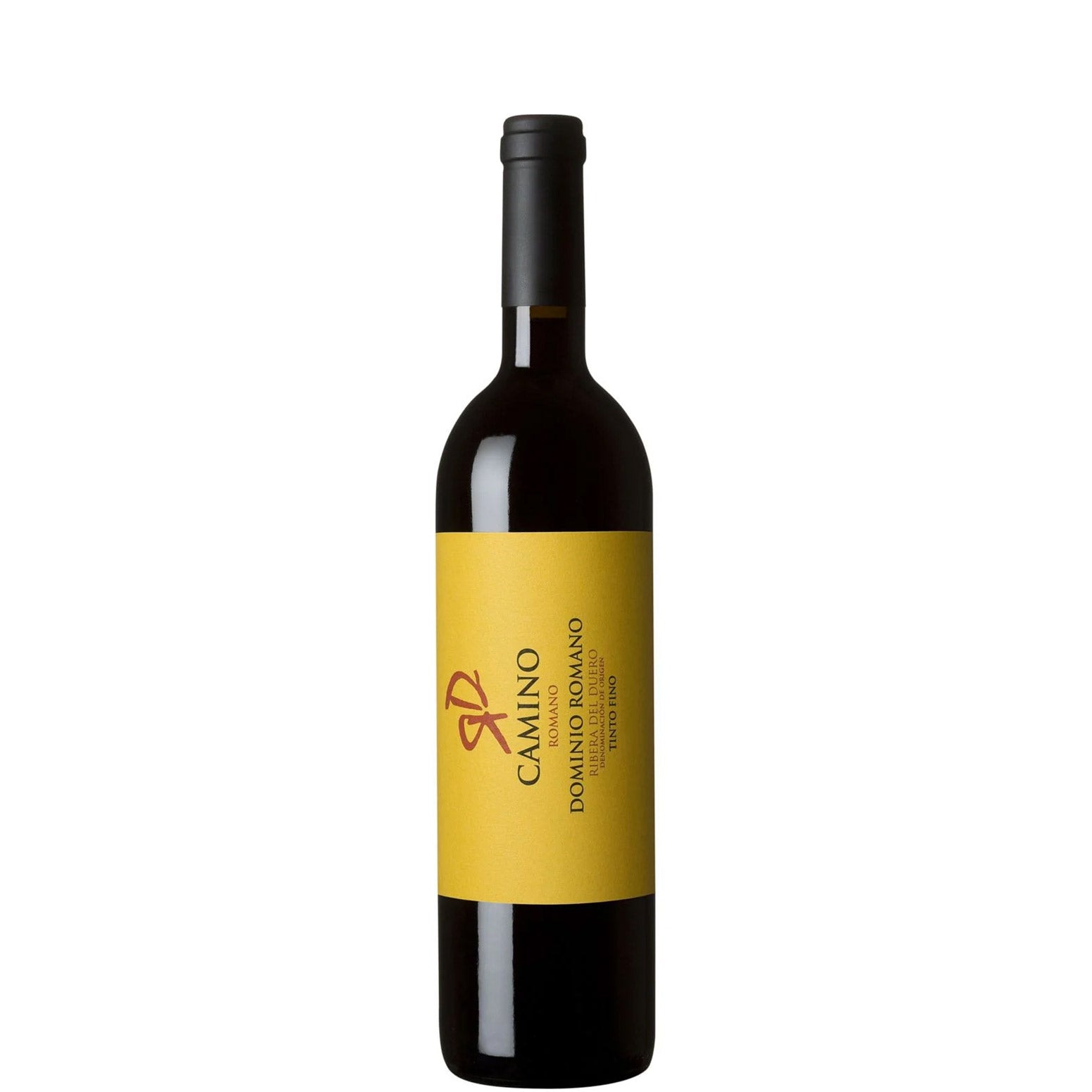

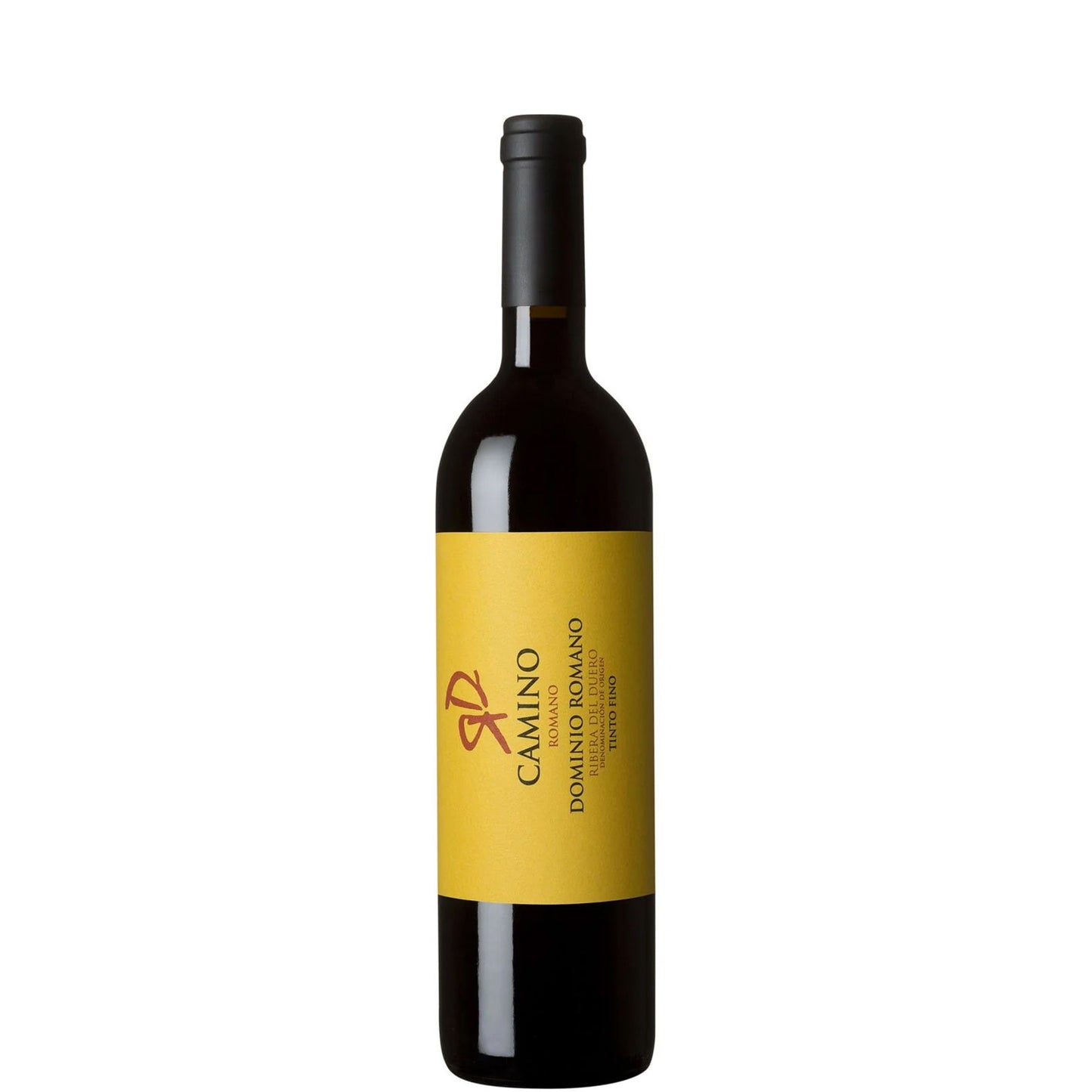
Dominio Romano, Camino Romano, 2022
Dominio Romano, Camino Romano, 2022
- Red Still
- 75.0cl
- 13.5%
- Organic
- Tempranillo
Dominio Romano sit at the quieter, more contemplative end of Ribera del Duero — no blockbuster extraction, no heavy oak regime, just Tempranillo grown on the high limestone plateau and vinified with genuine restraint. Camino Romano is their entry point, and it is a confident one: dark cherry and dried herbs on the nose, a palate with real grip and mineral backbone, and the kind of earthy, savoury finish that reminds you why Ribera can be so compelling when producers resist the temptation to overdo it.
At four years old, it has settled nicely and drinks well now with food, though another two or three years in bottle will only round out the edges. This is very much the Ribera for people who find the big-name bottlings a little overwrought — precise, food-friendly, and honest about where it comes from.
- ❖ ABV: 13.5%
Grapes
Tempranillo
Vintage report
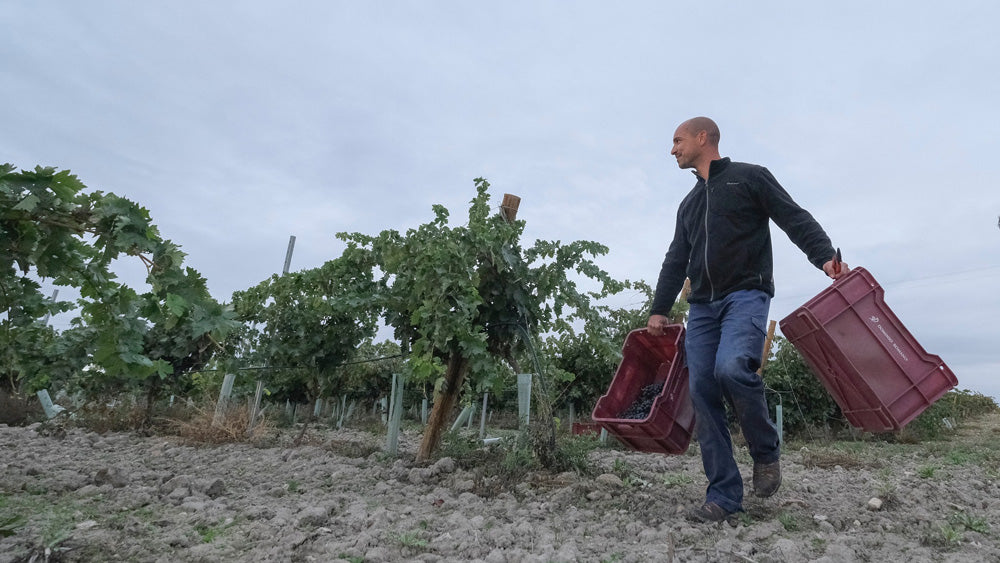
The 2022 growing season in Ribera del Duero was shaped by heat and drought, following a pattern that affected much of Spain that year. A dry winter set the tone, spring arrived without much relief, and summer brought intense heat that accelerated ripening considerably. The saving grace was the diurnal temperature range that the plateau does so well — warm days building concentration, cool nights preserving freshness and keeping alcohol from running away with the wine. Growers who managed yields carefully and picked at the right moment made something genuinely exciting. Those who waited too long found the fruit had tipped over.
The Tempranillo performed well where the work was done in the vineyard — the wines tend towards a riper, more generous style than a cooler year like 2021, with firm but ripe tannins and real depth of fruit. This is not a vintage that rewards patience as much as some; the better wines are drinking well now and should continue to do so until 2030 to 2035, though the very top addresses will carry further. Think of it as a vintage to open sooner rather than squirrel away indefinitely.
Tasting Notes
AppearanceDeep ruby with a slightly garnet rim, clear and bright.
NoseDark cherry, dried violet, and a thread of wild thyme with chalky, earthy undertones that feel distinctly of the high plateau. There is a subtle vanilla note from oak, kept well in check and not in any way dominant.
PalateMedium to full bodied with firm, well-integrated tannins and a core of dark fruit — morello cherry, blackberry — kept honest by lively acidity and a mineral, almost stony mid-palate. Not a fruit bomb; this is lean and purposeful.
FinishSavoury and persistent, with a dry herbal note and chalky mineral grip that lingers longer than the price would suggest.
Overall impressionA wine that earns its place on the table through precision rather than power.
Food Pairings
In Castilla y León, this style of Tempranillo is made for the roasting traditions of the meseta — whole roast suckling pig (cochinillo) and milk-fed lamb (lechazo) are the classics, slow-roasted in wood-fired ovens until the skin crackles. Locally cured charcuterie, particularly the deeply flavoured chorizo and morcilla of the region, is another natural match. A simple dish of lentils with chorizo and pimentón would be absolutely at home here too — the wine has the mineral backbone and acidity to cut through the richness without losing its composure.
We think this wine would go well with
Serve at around 16 to 17 degrees Celsius — too warm and the fruit dulls, too cold and the tannins tighten up unnecessarily. A short decant of 30 minutes will open it up and soften any remaining youthful grip. A standard Bordeaux-style glass works well here, giving enough bowl to let the wine breathe without losing the savoury aromatics.
The vineyards sit on the high meseta of Ribera del Duero, at altitudes pushing 800 to 900 metres above sea level, where the diurnal temperature swings are dramatic enough to preserve acidity and freshness in the grapes even through hot summers. The soils are a mix of limestone and chalky clay, which gives the wines their characteristic mineral edge and firm tannic structure. This altitude and these soils are what separate Ribera from the warmer, fleshier character of many Spanish reds further south.
Ribera del Duero DO stretches along the Duero river valley in Castilla y León, and has been one of Spain's most fashionable red wine regions since Vega Sicilia put it on the map internationally. The appellation is built almost entirely on Tempranillo (locally called Tinto Fino), which thrives on the high plateau's continental climate — scorching summers, cold winters, and a significant diurnal range. It is often compared to Rioja, but Ribera tends to produce denser, more tannic wines with a more pronounced mineral character, and the best examples age very well indeed.
The 2022 growing season in Ribera del Duero was shaped by heat and drought, following a pattern that affected much of Spain that year. A dry winter set the tone, spring arrived without much relief, and summer brought intense heat that accelerated ripening considerably. The saving grace was the diurnal temperature range that the plateau does so well — warm days building concentration, cool nights preserving freshness and keeping alcohol from running away with the wine. Growers who managed yields carefully and picked at the right moment made something genuinely exciting. Those who waited too long found the fruit had tipped over.
The Tempranillo performed well where the work was done in the vineyard — the wines tend towards a riper, more generous style than a cooler year like 2021, with firm but ripe tannins and real depth of fruit. This is not a vintage that rewards patience as much as some; the better wines are drinking well now and should continue to do so until 2030 to 2035, though the very top addresses will carry further. Think of it as a vintage to open sooner rather than squirrel away indefinitely.
FAQs
What does Camino Romano taste like?
Dark cherry and dried herbs on the nose, with a firm, mineral-driven palate that leans savoury rather than fruity. The tannins are present but polished, and the finish has a lovely chalky grip. Think restrained and precise rather than rich and extracted.
When is the best time to drink this wine?
It is drinking well now, particularly with food. If you can hold it another two to three years, the complexity will build. We would drink it between 2026 and 2032 for the best experience.
What food should I pair with Camino Romano?
Roast lamb or suckling pig are the classic regional matches, but it will also work very well with any slow-roasted or braised red meat, hard aged cheeses, or a simple lentil and chorizo stew. It is a wine that wants food, not the spotlight.
How should I serve this wine?
Serve at around 16 to 17 degrees Celsius. Decant for 30 minutes if you are opening it young — it will reward that small act of patience. A standard Bordeaux glass is ideal.
Is this wine worth cellaring?
It is worth a short spell in the cellar, yes. The structure is there to support another four to six years of development, and it will become more interesting in that time. Beyond 2032, we would start to drink up rather than wait.
How does this compare to better-known Ribera del Duero wines?
Where the famous names of Ribera tend towards power and extraction, Dominio Romano takes a quieter line — more mineral, more restrained, more food-friendly. If you find the blockbuster end of the appellation a bit much, this is the direction to look.
Want to know more?
Discuss your requirements with our account managers, Stephanie, Ed, & Jen
-
Personal Service
- Our team are always on hand to support you, taking orders online, by phone or email & responding to urgent requests.
- Our efficient warehouse & team of drivers always go the extra mile to deliver our wines to you.
- Our new, high-capacity warehouse ensures excellent availability of wines.
- Our new enterprise platform means hassle-free service, from inventory to billing.
-
Our Sales Team
Speak to one of our teamStephanie Duncan
With 25+ years in the wine trade, Steph knows the UK market inside out, from premium wine and wholesale to hospitality and retail. A WSET Diploma holder and unapologetic Champagne fan, she loves building great relationships and finding exciting wines.
Jen Neilan
Twenty years in hospitality later, after curating the wine list for Manchester’s first Neapolitan pizza restaurant, and running a natural wine bar, Jen made the move to the other side of the table.