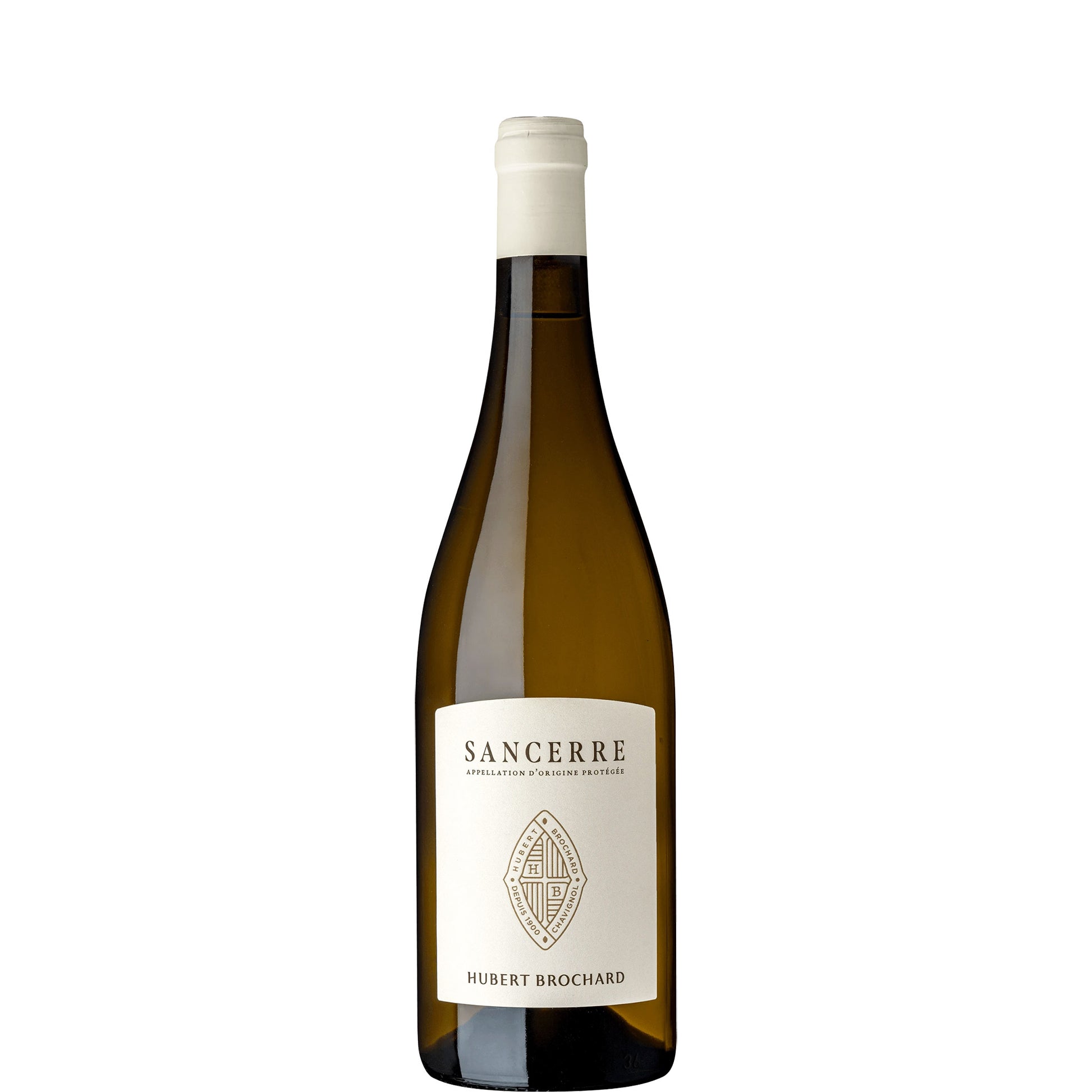
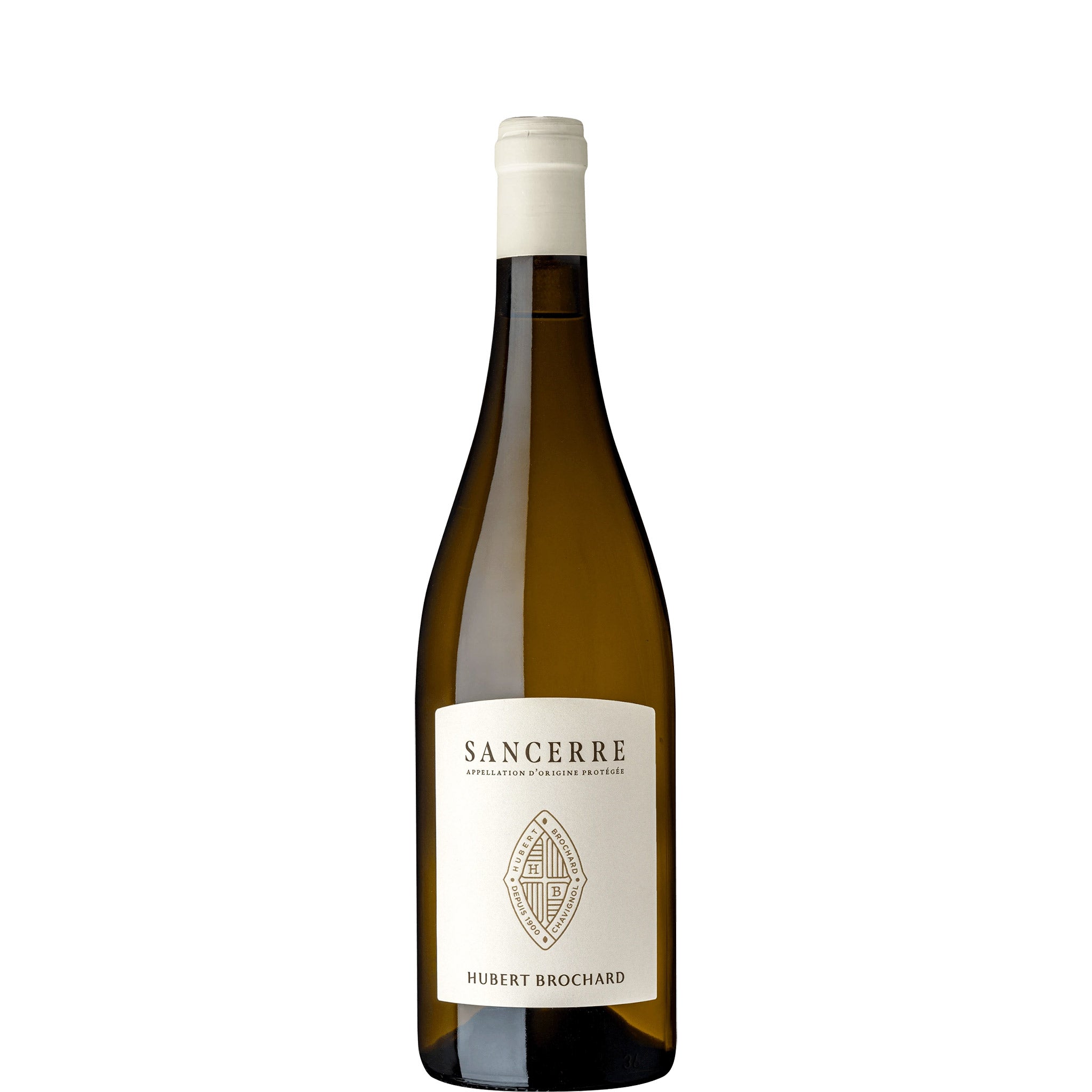
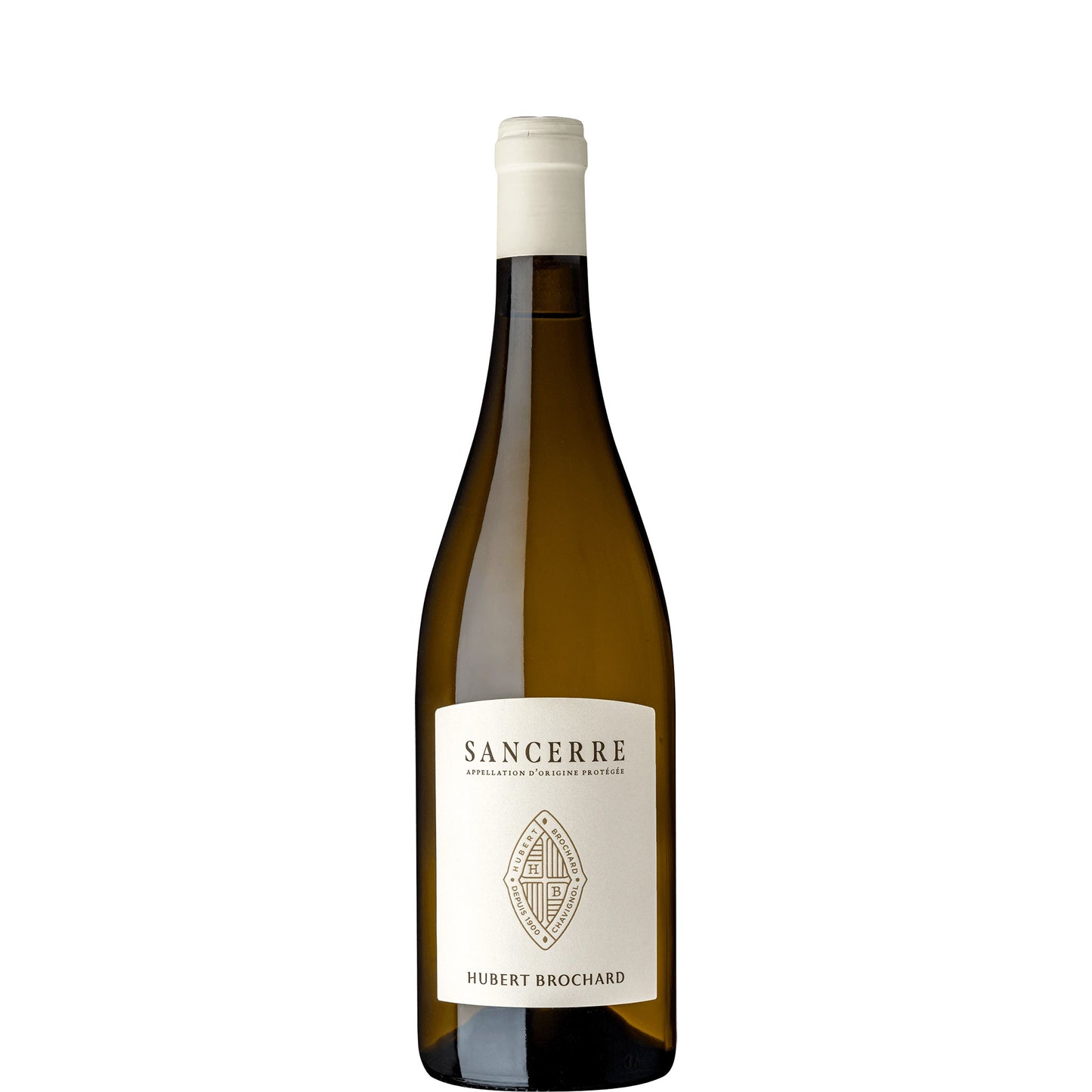
Domaine Hubert Brochard, Sancerre Blanc, 2025
Domaine Hubert Brochard, Sancerre Blanc, 2025
- White Still
- 75.0cl
- 13.0%
- Sauvignon Blanc
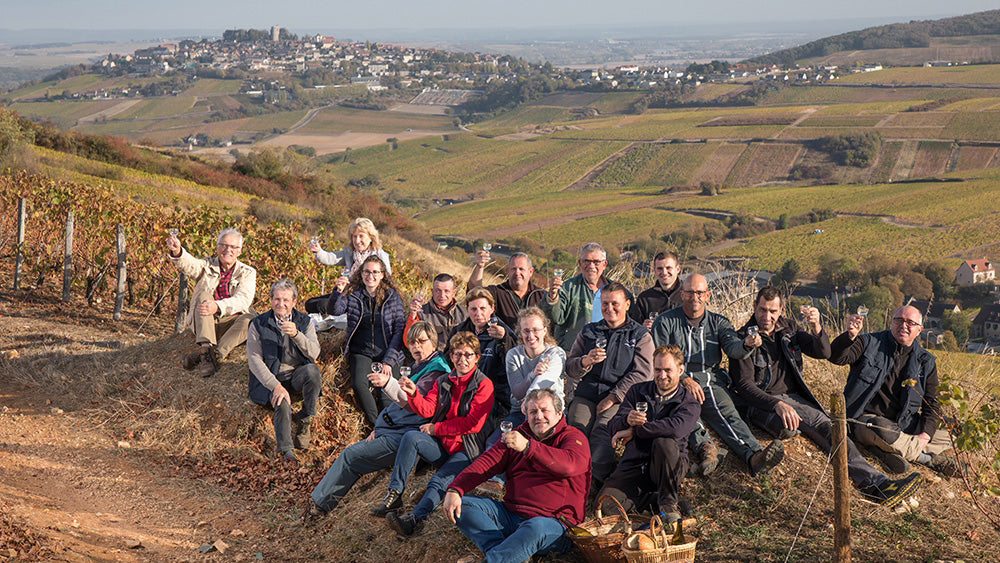
Sancerre is one of those wines that doesn't need an introduction, but Brochard's version earns its place among the better bottles in the appellation. Based in Chavignol (the village that gave the world both crottin cheese and some of the finest Sancerre vineyards), Domaine Hubert Brochard has been farming Sauvignon Blanc on these limestone and flint slopes for generations.
The 2025 vintage saw a warm, dry summer with good freshness retained into harvest, which points to wines with the precision and snap that defines the style at its best.
This is Sancerre doing what it does better than anywhere else: Sauvignon Blanc sharpened by chalky soils into something altogether more mineral and taut than its New World counterparts. Green apple, white grapefruit, a flicker of cut grass, and that distinctive flinty, almost saline quality that Loire limestone imparts.
- ❖ ABV: 13.0%
Grapes
Sauvignon Blanc
Tasting Notes
AppearancePale gold with a greenish tint and good clarity.
NoseClean and precise, with green apple, white grapefruit, and a flicker of cut grass. There's a chalky, flinty quality underneath — that dry, almost dusty minerality that good Sancerre delivers and nothing else quite replicates.
PalateBright and focused, with lively acidity framing the citrus fruit and a saline, mineral persistence that builds rather than fades. The 2025 growing season has given this more flesh than leaner vintages without sacrificing the tension. There's a pleasing roundness through the mid-palate.
FinishLong and clean, with a chalky, grapefruit-pith dryness that lingers satisfyingly.
Overall impressionSancerre doing exactly what you want it to do, with Brochard's Chavignol soils making their presence felt from first sniff to last sip.
Food Pairings
In the Loire, this would land on the table beside a plate of Crottin de Chavignol — the local goat's cheese aged to various stages of intensity, and the classic pairing for good reason, since the wine's acidity cuts straight through the fat. River fish is the other natural companion: pike perch with beurre blanc is as local as it gets, the sauce mirroring the wine's own buttery-yet-sharp character. Freshwater crayfish, local asparagus in season, or a simple herb omelette would all be perfectly at home. If you want to stretch the pairing further, any dish built around lemon, herbs, or bright vinaigrette will find a willing partner here.
We think this wine would go well with
Serve at 10-12°C — cold enough to keep the freshness lively but not so cold that the mineral complexity shuts down. No need to decant; just pour straight from the bottle. A tulip-shaped white wine glass works well, with enough bowl to let the aromas gather without dispersing too quickly. If the bottle has been in a fridge for more than an hour, give it ten minutes in the glass before drinking.
The vineyards around Chavignol are dominated by caillottes — broken white limestone and clay — and the classic silex (flint) soils that give Sancerre its signature mineral, almost smoky edge. The hillside sites benefit from good drainage and sun exposure, which builds ripeness while the underlying rock keeps the wines fresh and precise. This combination of warmth and mineral tension is what separates the best Sancerre from leaner, greener versions made on flatter ground.
Sancerre sits at the eastern end of the Loire Valley, where the river bends and the hills rise sharply into some of the most famous Sauvignon Blanc vineyards in the world. The appellation covers around 3,000 hectares and produces both white wine from Sauvignon Blanc and reds and rosés from Pinot Noir, though the white is by far the most celebrated. Sancerre's reputation rests on the interplay between the grape's naturally high acidity and three distinct soil types: caillottes, silex, and terres blanches, each lending a different character. It sits across the river from Pouilly-Fumé and shares many of the same geological traits, though the two appellations maintain fiercely separate identities.
FAQs
What does this Sancerre taste like?
Think green apple, white grapefruit, and a saline, chalky minerality — that dry, flinty quality that Sancerre's limestone soils deliver and nowhere else quite matches. The 2025 vintage adds a little more flesh and roundness than leaner years, without losing the precision.
When should I drink this wine?
It's drinking well right now and will continue to do so until around 2029. The sweet spot is probably 2026-2028, when the fruit and mineral tension are in balance. This is not a wine to cellar for a decade — drink it while it's fresh and singing.
What food should I pair with this Sancerre?
Goat's cheese is the classic match, and for good reason. Beyond that, river fish with beurre blanc, asparagus, herb-dressed salads, or anything with a bright, lemony quality will work well. It's also very good on its own as an aperitif.
How should I serve this wine?
Serve it at around 10-12°C in a tulip-shaped white wine glass. No need to decant. If it's been in the fridge for a while, give it ten minutes in the glass before drinking so the mineral complexity has a chance to open up.
Is this worth cellaring?
Not really. Sancerre at this level is made to be drunk young and fresh, and the 2025 is no exception. It will hold until 2029, but the window for peak pleasure is now through to 2028. Resist the temptation to leave it too long.
How does this compare to Pouilly-Fumé?
Both appellations sit across the Loire from each other and share similar soils, but they maintain distinct characters. Sancerre from Chavignol tends to be rounder and a touch more mineral, while Pouilly-Fumé often has a smokier, more aromatic quality. They are close cousins, not twins, and which you prefer is largely a matter of personal taste.
Want to know more?
Discuss your requirements with our account managers, Stephanie, Ed, & Jen
-
Personal Service
- Our team are always on hand to support you, taking orders online, by phone or email & responding to urgent requests.
- Our efficient warehouse & team of drivers always go the extra mile to deliver our wines to you.
- Our new, high-capacity warehouse ensures excellent availability of wines.
- Our new enterprise platform means hassle-free service, from inventory to billing.
-
Our Sales Team
Speak to one of our teamStephanie Duncan
With 25+ years in the wine trade, Steph knows the UK market inside out, from premium wine and wholesale to hospitality and retail. A WSET Diploma holder and unapologetic Champagne fan, she loves building great relationships and finding exciting wines.
Jen Neilan
Twenty years in hospitality later, after curating the wine list for Manchester’s first Neapolitan pizza restaurant, and running a natural wine bar, Jen made the move to the other side of the table.