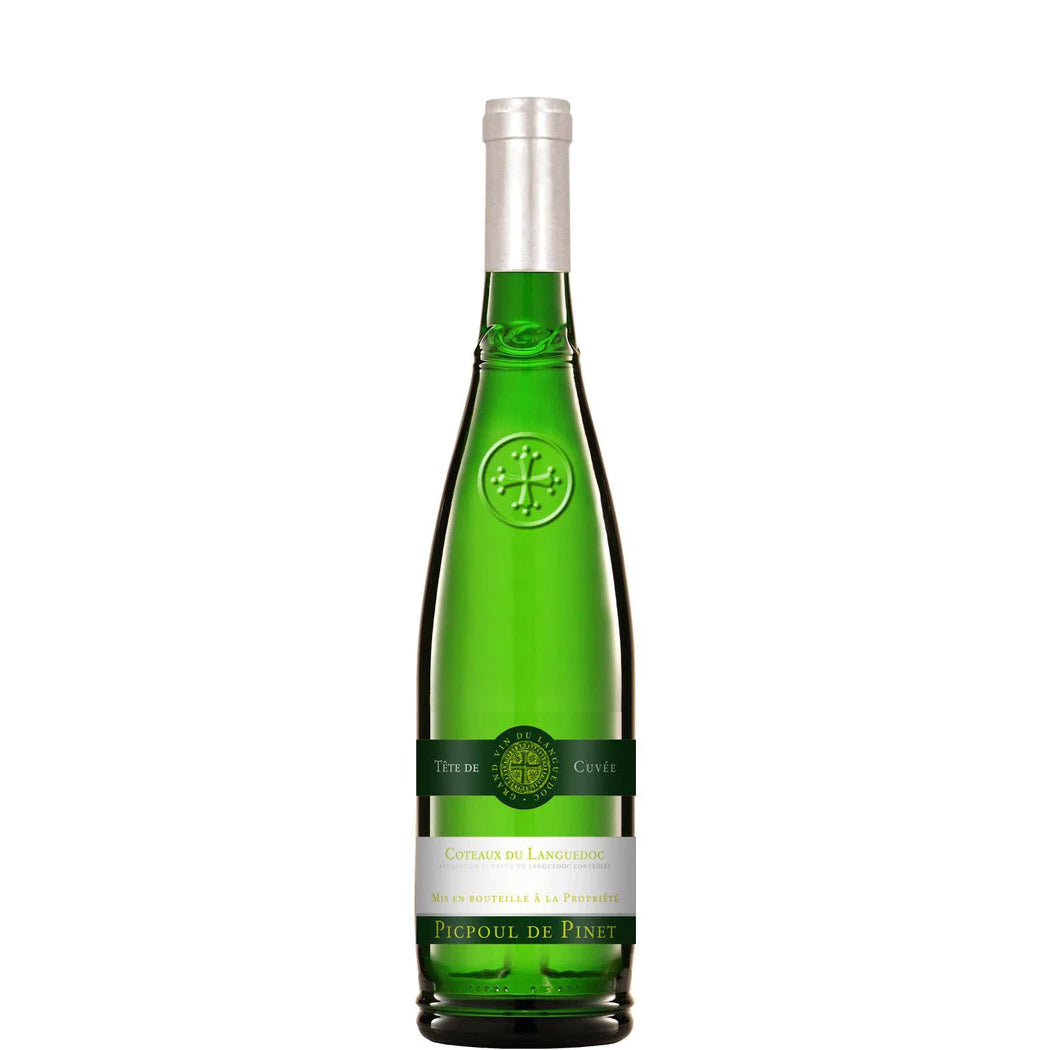

Château Canet, Vignobles Canet Picpoul De Pinet Tête De Cuvée, 2025
Château Canet, Vignobles Canet Picpoul De Pinet Tête De Cuvée, 2025
- White Still
- 75.0cl
- 13.0%
- Organic
- Picpoul Blanc
Picpoul de Pinet has earned its reputation as the Mediterranean's answer to Muscadet — a wine that exists to be drunk young, drunk cold, and drunk near the sea. Château Canet's Tête de Cuvée is the estate's top selection from this appellation on the shores of the Bassin de Thau, and it shows why Picpoul, when taken seriously, can be more than a bistro workhorse. There's real precision here: the grape's natural acidity (Picpoul means 'lip-stinger', after all) is channelled into something focused rather than sharp, with green apple, preserved lemon, and a mineral salinity that speaks directly to its lagoon-side origins.
Pour it well-chilled alongside a plate of Bouzigues oysters or a bowl of moules marinières and it will do exactly what great Picpoul does — cut through, refresh, and make you want another glass.
- ❖ ABV: 13.0%
Grapes
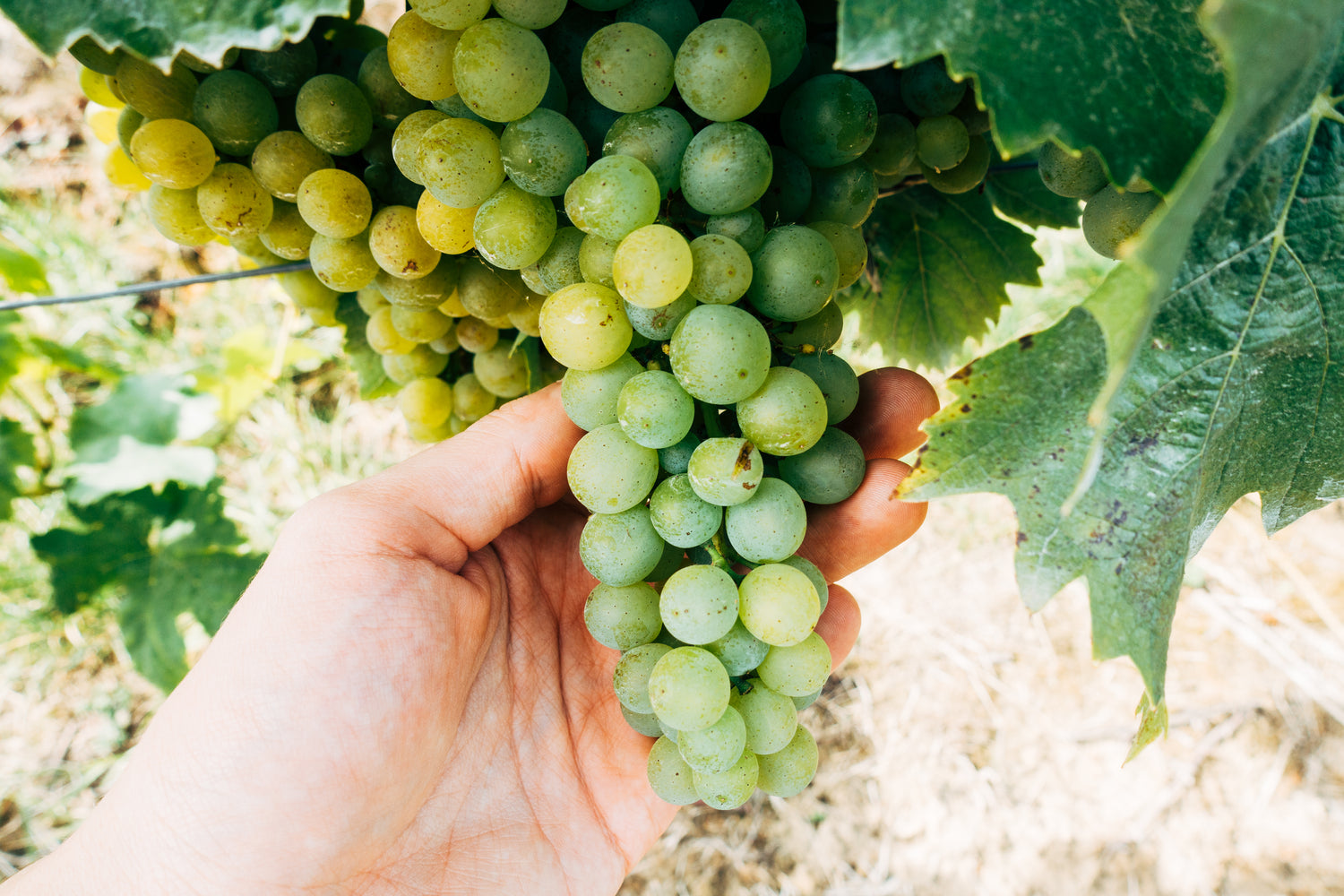
Picpoul Blanc
Vintage report
The 2025 vintage in Languedoc remains something of an unknown quantity at this early stage, with most producers still working through their fermentations and assemblages. What we can say is that the growing season presented its fair share of challenges, testing the mettle of growers across this sprawling region from Corbières to Pic Saint-Loup. The harvest stretched longer than usual, with producers picking selectively to capture the best fruit at optimal ripeness rather than racing against the calendar.
Early tastings from tank suggest wines with good concentration and freshness, though it's far too soon to make definitive pronouncements about what 2025 will ultimately deliver. The reds we've sampled show promising colour and structure, while the whites appear to have retained their vital acidity. Most 2025 Languedoc wines won't see release until late 2026 or early 2027, and the serious reds will benefit from several years in bottle before showing their true character. We'll be watching this vintage with interest as it develops.
Tasting Notes
AppearancePale gold with green highlights and a lively, water-white rim.
NoseFresh and clean, with green apple, lemon zest, and a faint white blossom lift. There's a subtle briny, oyster-shell quality underneath that sets it apart from a generic Languedoc white.
PalateLean and focused, with the grape's characteristic lip-tingling acidity carrying flavours of preserved lemon, green pear, and a saline mineral edge. The Tête de Cuvée selection adds a little more weight and length than a standard Picpoul without losing any of its essential crispness.
FinishClean, zesty, and refreshing, with a lingering salinity that keeps you coming back.
Overall impressionPicpoul doing exactly what it does best, with a little more precision and purpose than most.
Food Pairings
On the shores of the Bassin de Thau, this is the wine poured alongside Bouzigues oysters — the lagoon produces some of France's finest, and the pairing is so local it feels almost obligatory. Mussels steamed with white wine and herbs are another natural match, as is a simple plate of grilled sea bass with lemon and olive oil. Further along the Languedoc coast, it works beautifully with brandade de morue — the salt cod purée with olive oil that is a regional staple — or alongside a plate of fresh anchovies from Collioure. Keep it simple and keep it coastal.
We think this wine would go well with
Serve well-chilled at 8-10°C — this is a wine where the cold is part of the pleasure, and warming it up in the glass quickly dulls the freshness that makes it sing. No need to decant; pour straight from the bottle. A standard white wine glass or a slightly wider tulip shape works well, allowing the aromatics to gather without letting the temperature creep up too fast.
The vineyards of Picpoul de Pinet sit on a plateau of clay-limestone soils overlooking the Bassin de Thau, a large saltwater lagoon that moderates temperatures and draws cooling sea breezes across the vines. This maritime influence is critical — without it, the Languedoc sun would strip the grape of the acidity that defines the appellation. The combination of calcareous soils and saline air is what gives Picpoul its distinctive mineral, almost iodine-edged character.
Picpoul de Pinet was granted its own AOP in 2013, carved out from the broader Languedoc designation to recognise the distinctiveness of this coastal strip around the Bassin de Thau. The rules are straightforward: 100% Picpoul Blanc, harvested in the Pinet commune and its neighbours, bottled young and intended for early drinking. It sits apart from the bigger, oak-aged reds that dominate the Languedoc, occupying a niche closer in spirit to the crisp whites of the Loire or Galicia — all about freshness, salinity, and appetite.
The 2025 vintage in Languedoc remains something of an unknown quantity at this early stage, with most producers still working through their fermentations and assemblages. What we can say is that the growing season presented its fair share of challenges, testing the mettle of growers across this sprawling region from Corbières to Pic Saint-Loup. The harvest stretched longer than usual, with producers picking selectively to capture the best fruit at optimal ripeness rather than racing against the calendar.
Early tastings from tank suggest wines with good concentration and freshness, though it's far too soon to make definitive pronouncements about what 2025 will ultimately deliver. The reds we've sampled show promising colour and structure, while the whites appear to have retained their vital acidity. Most 2025 Languedoc wines won't see release until late 2026 or early 2027, and the serious reds will benefit from several years in bottle before showing their true character. We'll be watching this vintage with interest as it develops.
FAQs
What does this wine taste like?
Green apple, lemon zest, and a distinctive briny, oyster-shell salinity, with crisp, refreshing acidity and a clean finish. The Tête de Cuvée has a little more weight and precision than a standard Picpoul, but it's still built entirely around freshness.
When should I drink it?
Now. This is a wine for 2026 to 2028 at the latest. Picpoul lives and dies by its freshness, and there's nothing to be gained from holding it. Get it cold and get it open.
What food does it pair with?
Oysters are the classic match — especially the famous Bouzigues oysters from the Bassin de Thau right on the estate's doorstep. Beyond that, mussels, grilled sea bass, seafood pasta, or anything involving lemon and the sea. It's a coastal wine through and through.
Is it worth cellaring?
No. Picpoul de Pinet is one of the few wines where cellaring actively works against you. The freshness and salinity that define it will fade within a couple of years. Drink it young, drink it cold.
How should I serve it?
Well-chilled, at around 8-10°C. No decanting needed — just pour straight from the bottle into a standard white wine glass. Speed and cold are your friends here.
What makes the Tête de Cuvée different from a standard Picpoul?
It represents a more careful selection of fruit from the estate's best plots or oldest vines, giving it a little more body, length, and mineral precision than a straightforward Picpoul de Pinet. It's still very much about freshness, but with greater focus.
Want to know more?
Discuss your requirements with our account managers, Stephanie, Ed, & Jen
-
Personal Service
- Our team are always on hand to support you, taking orders online, by phone or email & responding to urgent requests.
- Our efficient warehouse & team of drivers always go the extra mile to deliver our wines to you.
- Our new, high-capacity warehouse ensures excellent availability of wines.
- Our new enterprise platform means hassle-free service, from inventory to billing.
-
Our Sales Team
Speak to one of our teamStephanie Duncan
With 25+ years in the wine trade, Steph knows the UK market inside out, from premium wine and wholesale to hospitality and retail. A WSET Diploma holder and unapologetic Champagne fan, she loves building great relationships and finding exciting wines.
Jen Neilan
Twenty years in hospitality later, after curating the wine list for Manchester’s first Neapolitan pizza restaurant, and running a natural wine bar, Jen made the move to the other side of the table.