

Château Canet, Rosé Keg, 2025 - 2000cl
Château Canet, Rosé Keg, 2025 - 2000cl
- Rosé Still
- 2000.0cl
- 12.5%
- Organic
- Grenache, Cinsault, Syrah
Château Canet sits in the Minervois, one of the Languedoc's most characterful appellations, and their rosé is exactly what you want from southern France in a large format: generous, confident, and built for a crowd. Made predominantly from Grenache and Cinsault with some Syrah, it's the kind of pale, dry rosé that tastes like it was poured at a long lunch somewhere near the Canal du Midi. A 20-litre keg is, frankly, a brilliant idea for events, restaurants, or anyone hosting on a scale where bottle-by-bottle just isn't going to cut it.
On the palate it's fresh and lively, with strawberry, white peach, and a squeeze of citrus keeping things bright and clean. There's enough structure to work with food but enough easy charm to need none.
- ❖ ABV: 12.5%
Grapes
Grenache, Cinsault, Syrah
Vintage report
The 2025 harvest in Languedoc-Roussillon is, at the time of writing, still very recent — and detailed vintage assessments are still emerging. What we can say is that the region endured another season shaped by the pressures familiar to southern France: drought stress in parts, uneven rainfall distribution, and the ever-present threat of summer heat compressing the ripening window faster than growers would like. Early indications suggest yields were modest in some appellations, which tends to concentrate what is there.
From what we are hearing, the wines lean towards the ripe, structured end of the spectrum — Grenache performing particularly well where water stress was managed carefully, Carignan holding its nerve as it tends to do in the garrigue soils of the Roussillon. These are not wines for immediate impatience, but the better reds should reward those who give them two or three years. We will update this note as more detailed assessments come in.
Tasting Notes
AppearancePale salmon pink with a clear, bright aspect.
NoseFresh and inviting, with strawberry, white peach, and a hint of dried Provençal herbs. There's a clean mineral lift underneath that keeps it focused rather than floral.
PalateDry and refreshing, with bright citrus and ripe strawberry framed by crisp acidity. The Cinsault brings a silky lightness while the Grenache adds a touch of roundness mid-palate.
FinishClean and short, with a pleasant saline edge that makes you reach for the next glass.
Overall impressionA textbook southern French rosé in the best sense: dry, fresh, and effortlessly drinkable at any scale.
Food Pairings
In the Minervois and wider Languedoc, a rosé like this is the natural companion to a plate of charcuterie and local cheeses, particularly the sheep's milk varieties of the nearby Hérault. It's also exactly what locals pour with grilled sardines or a simple rouille-topped fish soup. Come summer, it finds its way alongside ratatouille, tapenade, and anything cooked on a wood fire outdoors. For a crowd setting, think big platters of jambon de pays, olives, and crusty bread.
We think this wine would go well with
Serve well chilled, between 8 and 10°C. No decanting needed; in fact, keeping it cold is the main priority, so for a keg format make sure your serving equipment is properly refrigerated or ice-jacketed. A standard white wine or tulip-shaped glass works perfectly, preserving the aromatics without letting it warm too quickly.
The vineyards around Château Canet sit on a mix of clay-limestone soils typical of the central Minervois, with the altitude and the Tramontane wind providing crucial cooling during the growing season. This combination of Mediterranean warmth and ventilation is what gives Minervois rosés their freshness despite the southern heat. The soils lend a subtle mineral edge that keeps the wine from tipping into flabbiness.
Minervois is an AOC in the western Languedoc, stretching from the foothills of the Montagne Noire south towards the Canal du Midi. It's one of the Languedoc's more structured appellations, with a strong identity built around Grenache, Syrah, and Mourvèdre for reds, though rosé production is significant and increasingly polished. Compared to its neighbour Corbières, Minervois tends to produce wines with a slightly more elegant, mineral edge, owing to the higher-altitude terroirs in the north of the appellation.
The 2025 harvest in Languedoc-Roussillon is, at the time of writing, still very recent — and detailed vintage assessments are still emerging. What we can say is that the region endured another season shaped by the pressures familiar to southern France: drought stress in parts, uneven rainfall distribution, and the ever-present threat of summer heat compressing the ripening window faster than growers would like. Early indications suggest yields were modest in some appellations, which tends to concentrate what is there.
From what we are hearing, the wines lean towards the ripe, structured end of the spectrum — Grenache performing particularly well where water stress was managed carefully, Carignan holding its nerve as it tends to do in the garrigue soils of the Roussillon. These are not wines for immediate impatience, but the better reds should reward those who give them two or three years. We will update this note as more detailed assessments come in.
FAQs
What does this rosé taste like?
Dry, fresh, and straightforward in all the right ways. Think strawberry, white peach, and citrus with a clean mineral finish. It's the kind of rosé that disappears fast at a long table and nobody complains.
Should I be buying a 20-litre keg of rosé?
If you're running a restaurant, hosting a wedding, or simply have excellent taste and a large group of friends, absolutely. The keg format keeps the wine fresher than multiple open bottles and is far more practical for high-volume service. Just make sure your dispensing system is cold and well-maintained.
When should I drink this wine?
Now, ideally. This is a wine built for immediate drinking. The freshness that makes it so appealing won't improve with time, so get it poured and enjoy it while the fruit is vivid. We'd aim to serve it before the end of 2027 at the latest.
What food works well with this rosé?
It's very versatile. Grilled fish, charcuterie, Mediterranean salads, tapenade, and simple grilled vegetables all work beautifully. It's also perfectly happy on its own as an aperitif on a warm evening.
How should I serve it from the keg?
Serve it cold, between 8 and 10°C. For a keg this size, a properly refrigerated dispensing unit is essential. Standard white wine glasses work well. Avoid letting it sit in a warm environment or the freshness will fade quickly.
Is this wine worth cellaring?
No, and that's not a criticism. This is a wine of the moment, not the cellar. Drink it fresh, drink it cold, drink it with people. That's what it's for.
Want to know more?
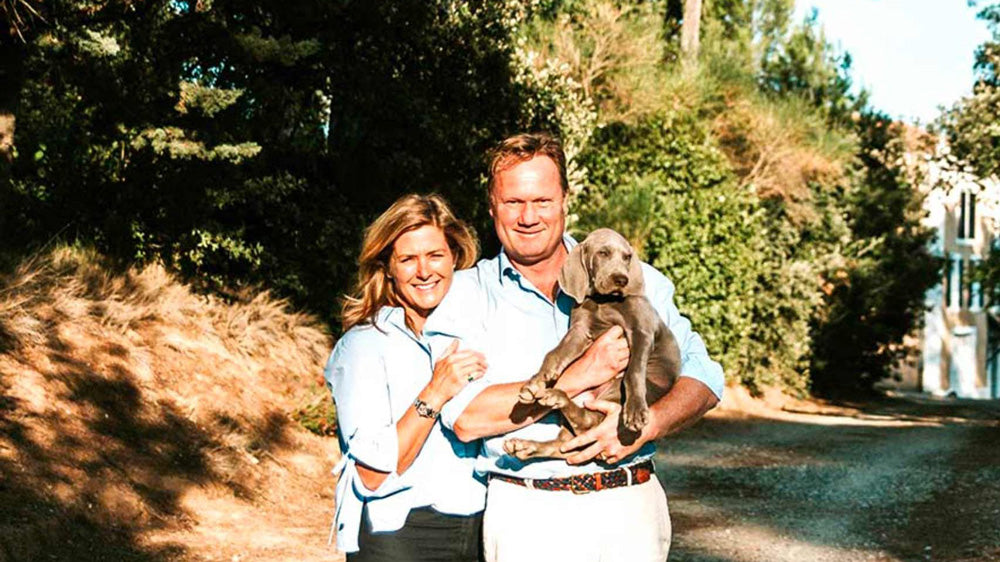
Discuss your requirements with our account managers, Jeremy & Jen

-
Personal Service
- Our team are always on hand to support you, taking orders online, by phone or email & responding to urgent requests.
- Our efficient warehouse & team of drivers always go the extra mile to deliver our wines to you.
- Our new, high-capacity warehouse ensures excellent availability of wines.
- Our new enterprise platform means hassle-free service, from inventory to billing.
-
Our Sales Team
Speak to one of our teamJeremy Cowan
After managing his own stores and a further stint in independent retail, Jeremy has dedicated 12 years to trade sales in the North West.
Jen Neilan
Twenty years in hospitality later, after curating the wine list for Manchester’s first Neapolitan pizza restaurant, and running a natural wine bar, Jen made the move to the other side of the table.