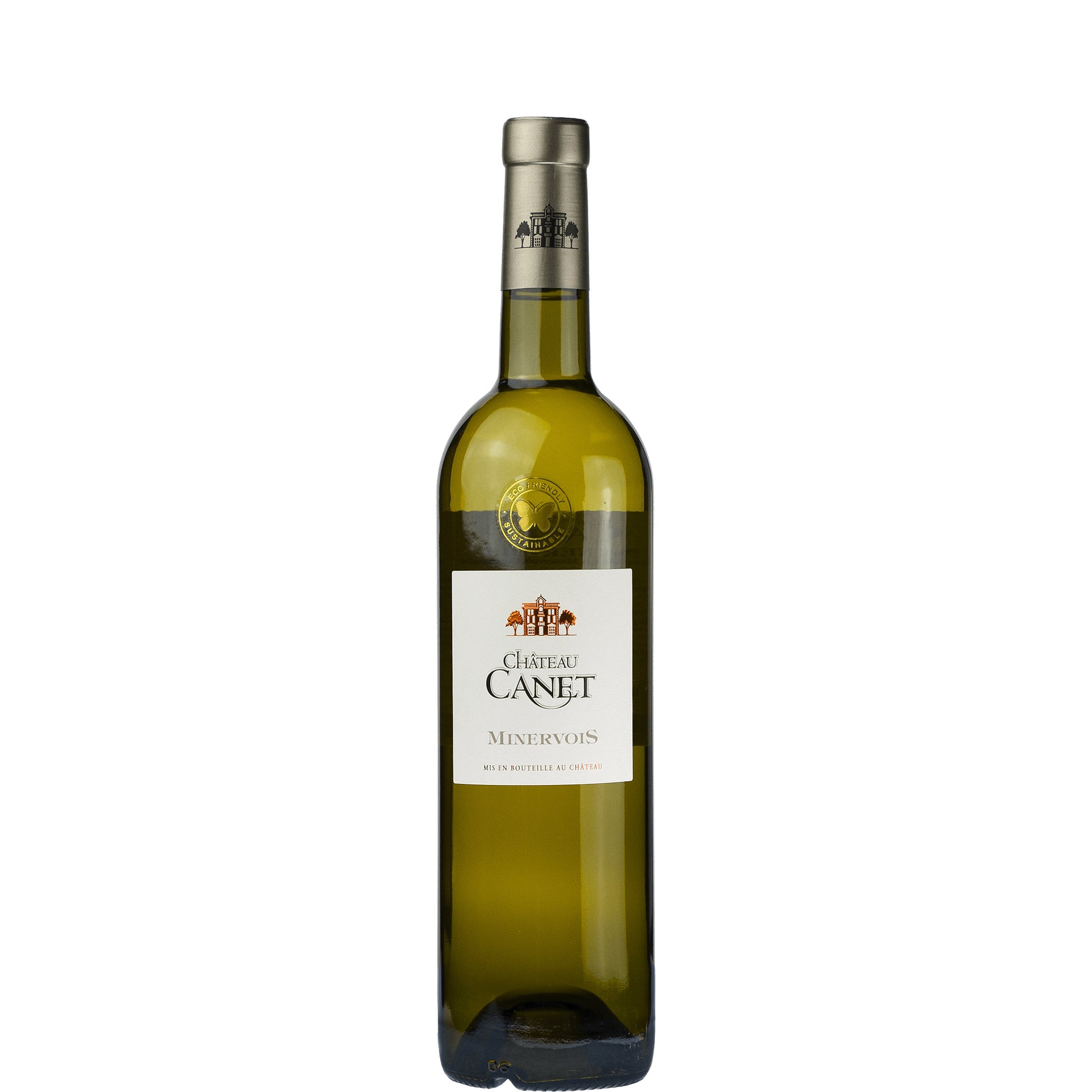

Château Canet, Minervois Blanc, 2025
Château Canet, Minervois Blanc, 2025
- White Still
- 75.0cl
- 13.0%
- Organic
- Grenache Blanc, Marsanne, Roussanne
Château Canet is one of the Minervois's quietly dependable estates, producing wines that remind you how good southern French whites can be when they're not trying too hard. This blanc blends Grenache Blanc with Marsanne and Roussanne — the classic southern white trio — and the result is a wine that's aromatic and textural without tipping into the flabbiness that warm-climate whites can fall into. There's real freshness here, a stony mineral quality that likely owes something to the limestone-rich soils around the estate, and enough weight on the palate to hold its own with food.
We'd drink this over the next two to three years while that citrus brightness is still singing. A confident, well-priced white from an appellation that deserves more attention than it gets.
- ❖ ABV: 13.0%
Grapes
Grenache Blanc, Marsanne, Roussanne
Vintage report
The 2025 vintage in Languedoc remains something of an unknown quantity at this early stage, with most producers still working through their fermentations and assemblages. What we can say is that the growing season presented its fair share of challenges, testing the mettle of growers across this sprawling region from Corbières to Pic Saint-Loup. The harvest stretched longer than usual, with producers picking selectively to capture the best fruit at optimal ripeness rather than racing against the calendar.
Early tastings from tank suggest wines with good concentration and freshness, though it's far too soon to make definitive pronouncements about what 2025 will ultimately deliver. The reds we've sampled show promising colour and structure, while the whites appear to have retained their vital acidity. Most 2025 Languedoc wines won't see release until late 2026 or early 2027, and the serious reds will benefit from several years in bottle before showing their true character. We'll be watching this vintage with interest as it develops.
Tasting Notes
AppearancePale gold with a silvery rim, clear and bright.
NoseWhite peach, lemon zest, and a faint almond blossom quality that speaks to the Marsanne in the blend. There's a subtle stony note underneath — cool and dry, like a freshly broken piece of chalk.
PalateMedium-bodied with lively acidity and a gently rounded texture from the Roussanne. Citrus pith, ripe pear, and a saline mineral quality keep it focused and fresh rather than rich. No oak to speak of, which feels like the right call.
FinishClean and moderately long, with a lingering saline and citrus note that invites another sip.
Overall impressionA straightforwardly enjoyable southern French white with more tension than its postcode might suggest.
Food Pairings
In the Languedoc, a white like this would find its natural home alongside a plateau de fruits de mer — oysters, clams, and tellines gathered from the nearby Étang de Thau. Locally, it would also be poured with brandade de morue, the creamy salt cod and olive oil purée that is a staple of the region's tables. Grilled rouget with tapenade and a drizzle of local olive oil would be another natural match, as would a simple chèvre frais from the nearby Cévennes, still warm from the morning's milking. The wine's mineral edge and refreshing acidity make it a reliable partner for anything the sea or the market garden offers.
We think this wine would go well with
Serve at 10-12°C — cold enough to keep it crisp, warm enough to let the Marsanne aromatics open up. No need to decant; pour straight from the fridge after letting it sit on the counter for ten minutes or so. A standard white wine tulip or a slightly wider-bowled Loire-style glass will suit it well, giving the aromatic lift room to breathe without overwhelming the wine's understated elegance.
The vineyards around Canet sit on limestone and clay soils at moderate altitude in the foothills south of the Massif Central, where the influence of the Mediterranean is tempered by cooler air from the mountains to the north. This diurnal temperature variation is crucial for white wines in particular, helping retain the acidity that can otherwise be lost in a hot southern climate. The garrigue-covered hillsides contribute a subtle herbal aromatic character that runs through the estate's wines.
Minervois is an AOC in the Languedoc, stretching across the Aude and Hérault departments between Narbonne and Carcassonne. While it is better known for its reds — Syrah, Grenache, and Carignan-dominant blends with a distinctly Mediterranean character — the appellation also permits whites from southern varieties including Grenache Blanc, Marsanne, Roussanne, and Bourboulenc. Minervois whites remain relatively under the radar compared to those of Roussillon or the Rhône, which makes them an excellent source of value; the style tends toward textural richness with good aromatic lift when yields are controlled and vineyards face north or sit at altitude.
The 2025 vintage in Languedoc remains something of an unknown quantity at this early stage, with most producers still working through their fermentations and assemblages. What we can say is that the growing season presented its fair share of challenges, testing the mettle of growers across this sprawling region from Corbières to Pic Saint-Loup. The harvest stretched longer than usual, with producers picking selectively to capture the best fruit at optimal ripeness rather than racing against the calendar.
Early tastings from tank suggest wines with good concentration and freshness, though it's far too soon to make definitive pronouncements about what 2025 will ultimately deliver. The reds we've sampled show promising colour and structure, while the whites appear to have retained their vital acidity. Most 2025 Languedoc wines won't see release until late 2026 or early 2027, and the serious reds will benefit from several years in bottle before showing their true character. We'll be watching this vintage with interest as it develops.
FAQs
What does Château Canet Minervois Blanc taste like?
Think white peach, lemon zest, and a stony, saline mineral quality. It's medium-bodied with lively acidity — refreshing rather than rich, with no oak to get in the way. The Marsanne brings a subtle almond blossom character on the nose that makes it feel a little more interesting than your average southern French white.
When should I drink this wine?
Now, honestly. The 2025 is drinking beautifully in 2026 and will continue to do so until around 2028-2029. The freshness and citrus brightness are the wine's best qualities right now, and there's little to gain from waiting. Keep a bottle in the fridge and open it on a warm evening.
What food works well with this wine?
Seafood is the natural partner — oysters, grilled fish, moules marinières, or a simple plate of prawns with aioli. It's also good with goat's cheese, vegetable tarts, or anything with a squeeze of lemon over it. The saline mineral quality makes it very versatile at the table.
How should I serve it?
Serve at around 10-12°C. Take it out of the fridge about ten minutes before pouring to let the aromatics wake up. No need to decant — a standard white wine glass or tulip shape is all you need.
Is it worth cellaring?
Not really. This is a wine built for freshness and early drinking pleasure. The Marsanne may add a little weight and texture over the next couple of years, but the acidity and fruit lift that make it so appealing now won't improve with time. Drink it up by 2029 at the latest.
What grapes are in Minervois Blanc?
The Minervois AOC permits a range of southern French white varieties. This wine is a blend of Grenache Blanc, Marsanne, and Roussanne — the Grenache Blanc providing the aromatic freshness and structure, the Marsanne adding texture and floral character, and the Roussanne rounding out the palate. It's a classic southern French white blend, and when the balance is right, as it is here, the results are genuinely appealing.
Want to know more?
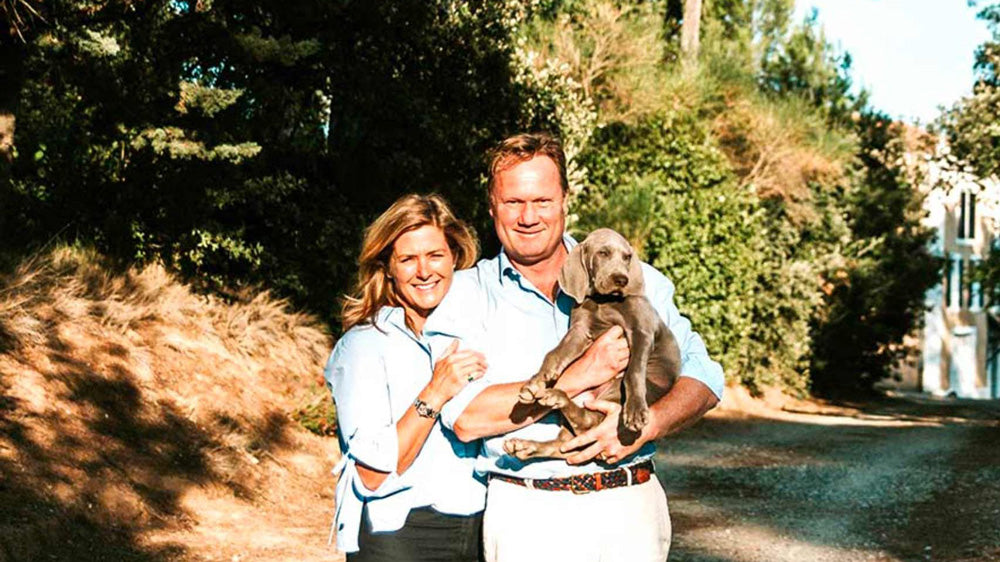
Discuss your requirements with our account managers, Jeremy & Jen
-
Personal Service
- Our team are always on hand to support you, taking orders online, by phone or email & responding to urgent requests.
- Our efficient warehouse & team of drivers always go the extra mile to deliver our wines to you.
- Our new, high-capacity warehouse ensures excellent availability of wines.
- Our new enterprise platform means hassle-free service, from inventory to billing.
-
Our Sales Team
Speak to one of our teamJeremy Cowan
After managing his own stores and a further stint in independent retail, Jeremy has dedicated 12 years to trade sales in the North West.
Jen Neilan
Twenty years in hospitality later, after curating the wine list for Manchester’s first Neapolitan pizza restaurant, and running a natural wine bar, Jen made the move to the other side of the table.