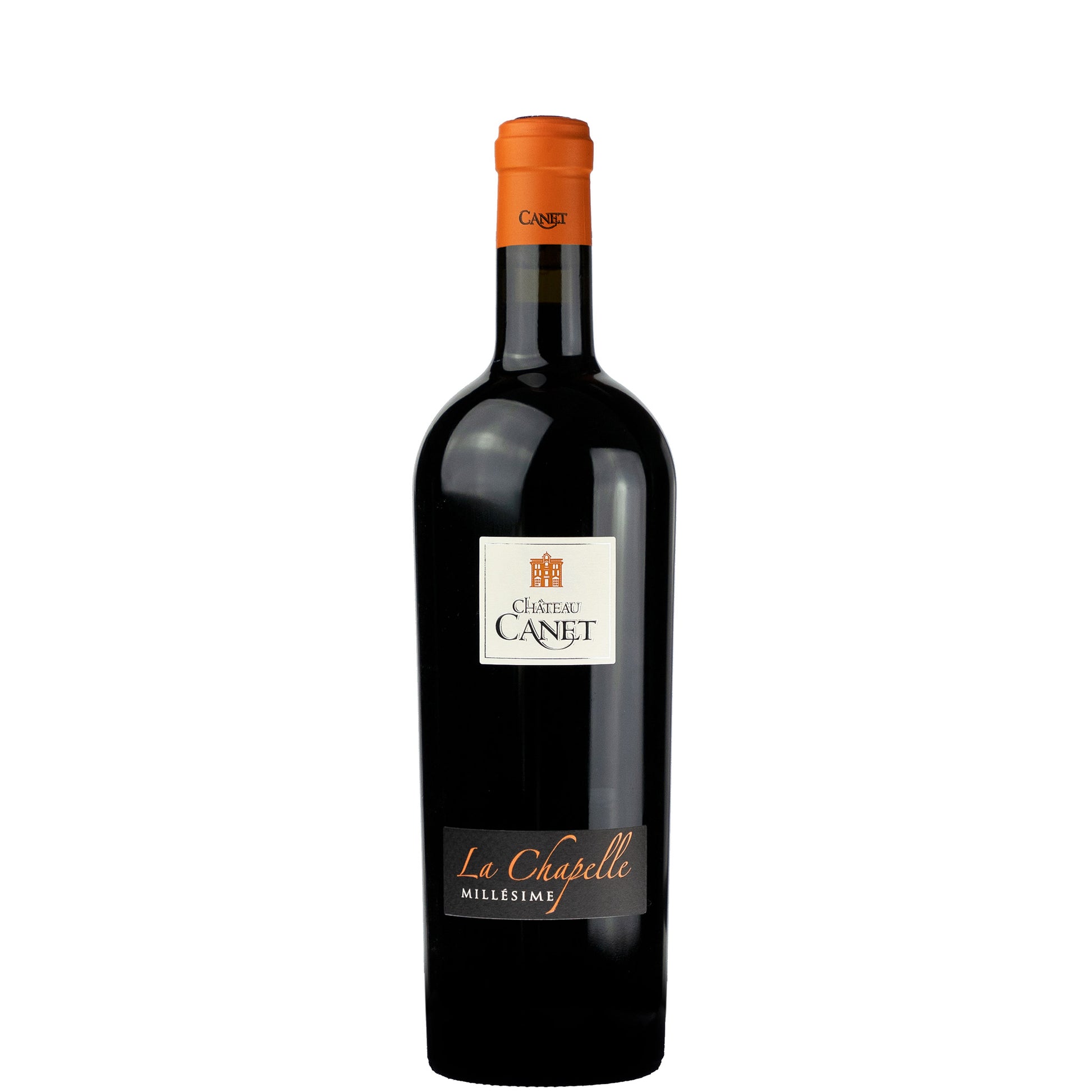

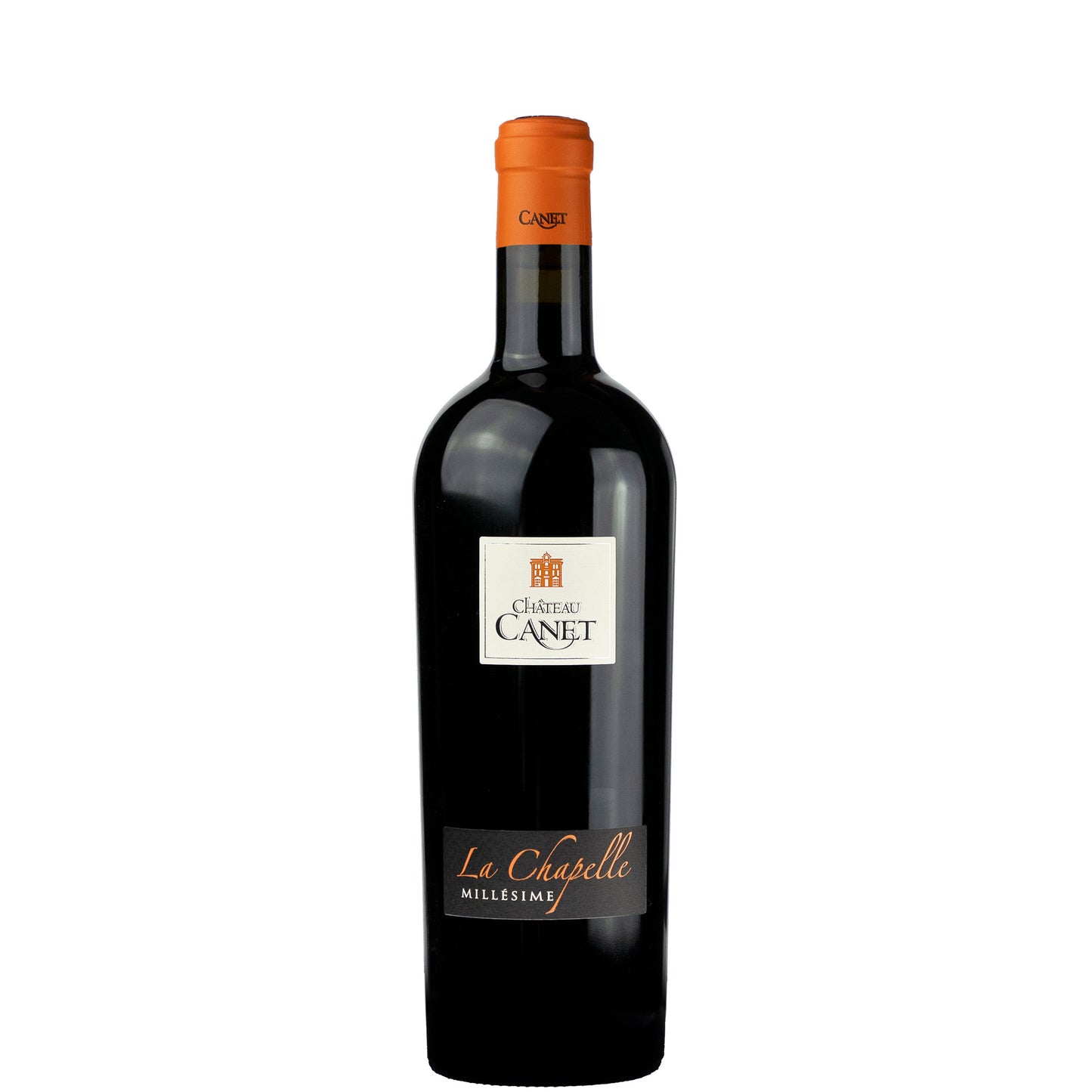
Château Canet, La Chapelle Minervois, 2020
Château Canet, La Chapelle Minervois, 2020
- Red Still
- 75.0cl
- 15.0%
- Syrah, Grenache, Mourvèdre
Château Canet sits in the Minervois, one of the Languedoc's most characterful appellations, tucked against the foothills of the Black Mountain where the Mediterranean heat is tempered by altitude and the garrigue-scented winds off the plateau. La Chapelle is their entry-point red, and it earns that chapel name — there's something devotional about the way this part of the world makes wine. The 2020 is typically generous and sun-drenched: dark fruit, wild herb, a hint of iron, and a structure that sits somewhere between rustic and refined.
It's drinking well right now, with enough flesh to meet a hearty table without ceremony. We'd pair it with lamb, ripe cheese, or anything coming off a charcoal grill.
- ❖ ABV: 15.0%
Grapes
Syrah, Grenache, Mourvèdre
Vintage report
The 2020 growing season across Languedoc-Roussillon was defined by heat and drought, with a dry winter leading into a summer that pushed temperatures well above average and kept yields lean. Growers who managed their canopies well and held their nerve on harvest timing were rewarded; those who picked too late risked overripeness. Water stress was the dominant theme, concentrating sugars quickly and putting pressure on phenolic ripeness to keep pace. It was a vintage that separated the careful from the complacent.
The wines that came through are dense and sun-soaked, with Grenache and Syrah delivering dark, generous fruit backed by firm structure — not a vintage for the faint-hearted, but one with real depth when the balance is there. Carignan, which thrives under stress, often stole the show in older-vine parcels. Most wines are drinking well now, though the better structured reds will continue to reward patience until 2026 or beyond. A vintage to buy with a producer you trust.
Tasting Notes
AppearanceDeep ruby-garnet, dense at the core with a slightly lighter, brick-tinged rim.
NoseSun-ripened dark plum and blackberry lead, with dried thyme, rosemary, and a waft of warm stone. There's a faint iron-and-leather quality underneath that feels very much of the southern Languedoc.
PalateMedium-full bodied with a generous, ripe fruit core and the characteristic grippy tannins of Syrah and Mourvèdre working in tandem. A streak of savoury spice runs through the mid-palate, keeping the whole thing honest and food-friendly rather than jammy.
FinishWarm and mineral, with dried herbs and a lingering stony edge that outlasts the fruit.
Overall impressionUnpretentious, characterful Minervois that rewards a good table more than close scrutiny.
Food Pairings
In the Minervois, this kind of wine is made for the table rather than the tasting room. Locals would reach for it alongside cassoulet — the slow-cooked Languedoc version, loaded with duck confit and Toulouse sausage — or a daube of beef braised with olives and orange zest. Grilled lamb chops rubbed with herbes de Provence are a natural match, as is aged Pélardon, the local goat's cheese, when it has hardened and developed some sharpness. On a summer evening, anything from a wood-fired grill — aubergines, peppers, merguez — will do just as well.
We think this wine would go well with
Serve at around 16-17°C — cool enough to keep the wine lively, warm enough not to suppress the fruit. A 30-minute decant will soften the tannins and let the herbal aromatics open up, though it's not strictly necessary if you're drinking it with food. A standard Bordeaux-style glass works well here; nothing too wide-bowled, or you'll lose the savoury grip that makes it interesting.
The vineyards around Ventenac sit at the western end of the Minervois, where the influence of the Atlantic begins to be felt alongside the dominant Mediterranean climate — this gives marginally cooler nights than the eastern Minervois, which helps preserve freshness and aromatic lift. Soils here are a patchwork of clay-limestone and schist, lending both structure and a stony, mineral quality to the wines. The garrigue — wild thyme, rosemary, and lavender scrubland — is a constant presence in the landscape and finds its way directly into the wines.
Minervois is one of the Languedoc's most established AOCs, straddling the Hérault and Aude departments along the southern slopes of the Massif Central. Reds must be based on Syrah, Grenache, and Mourvèdre, with Carignan and Cinsault permitted in support — a blend that suits the hot, dry climate well. Compared to its neighbour Corbières, Minervois tends to be slightly more refined and approachable in youth, with less of the brooding tannic grip; compared to Pic Saint-Loup to the east, it is warmer and more full-bodied. La Livinière, a commune within the appellation, has its own superior designation and is a useful benchmark for how serious Minervois can get.
The 2020 growing season across Languedoc-Roussillon was defined by heat and drought, with a dry winter leading into a summer that pushed temperatures well above average and kept yields lean. Growers who managed their canopies well and held their nerve on harvest timing were rewarded; those who picked too late risked overripeness. Water stress was the dominant theme, concentrating sugars quickly and putting pressure on phenolic ripeness to keep pace. It was a vintage that separated the careful from the complacent.
The wines that came through are dense and sun-soaked, with Grenache and Syrah delivering dark, generous fruit backed by firm structure — not a vintage for the faint-hearted, but one with real depth when the balance is there. Carignan, which thrives under stress, often stole the show in older-vine parcels. Most wines are drinking well now, though the better structured reds will continue to reward patience until 2026 or beyond. A vintage to buy with a producer you trust.
FAQs
What does La Chapelle Minervois taste like?
It's a full, sun-warmed southern French red — dark plum, dried herbs, warm stone, and a savoury, mineral finish. Think garrigue in a glass, with enough grip to handle a serious plate of food.
When is the best time to drink the 2020?
It's drinking well now and will continue to do so until around 2032. The sweet spot is probably 2026 to 2029, when the fruit is still generous but the tannins have fully settled in.
What food should I serve it with?
Anything from a charcoal grill is a good starting point — lamb, merguez, aubergines. It's also excellent alongside cassoulet, beef daube, or aged goat's cheese. A table in the south of France is ideal but not compulsory.
Does this wine need decanting?
A 30-minute decant helps, particularly if you're drinking it soon after opening. It softens the tannins and lets the herbal aromatics breathe. It's not essential if you're pouring straight to a meal.
Is this worth cellaring?
For a few years, yes — it will reward patience until around 2030. Beyond that, the freshness will fade and the fruit will begin to dry out. This is ultimately a wine built for pleasure, not decades in the cellar.
What grapes go into La Chapelle?
It's a classic Minervois blend led by Syrah and Grenache, with Mourvèdre in support — the combination that defines the appellation's best reds and gives the wine its dark fruit, spice, and grip.
Want to know more?
Discuss your requirements with our account managers, Stephanie, Ed, & Jen
-
Personal Service
- Our team are always on hand to support you, taking orders online, by phone or email & responding to urgent requests.
- Our efficient warehouse & team of drivers always go the extra mile to deliver our wines to you.
- Our new, high-capacity warehouse ensures excellent availability of wines.
- Our new enterprise platform means hassle-free service, from inventory to billing.
-
Our Sales Team
Speak to one of our teamStephanie Duncan
With 25+ years in the wine trade, Steph knows the UK market inside out, from premium wine and wholesale to hospitality and retail. A WSET Diploma holder and unapologetic Champagne fan, she loves building great relationships and finding exciting wines.
Jen Neilan
Twenty years in hospitality later, after curating the wine list for Manchester’s first Neapolitan pizza restaurant, and running a natural wine bar, Jen made the move to the other side of the table.