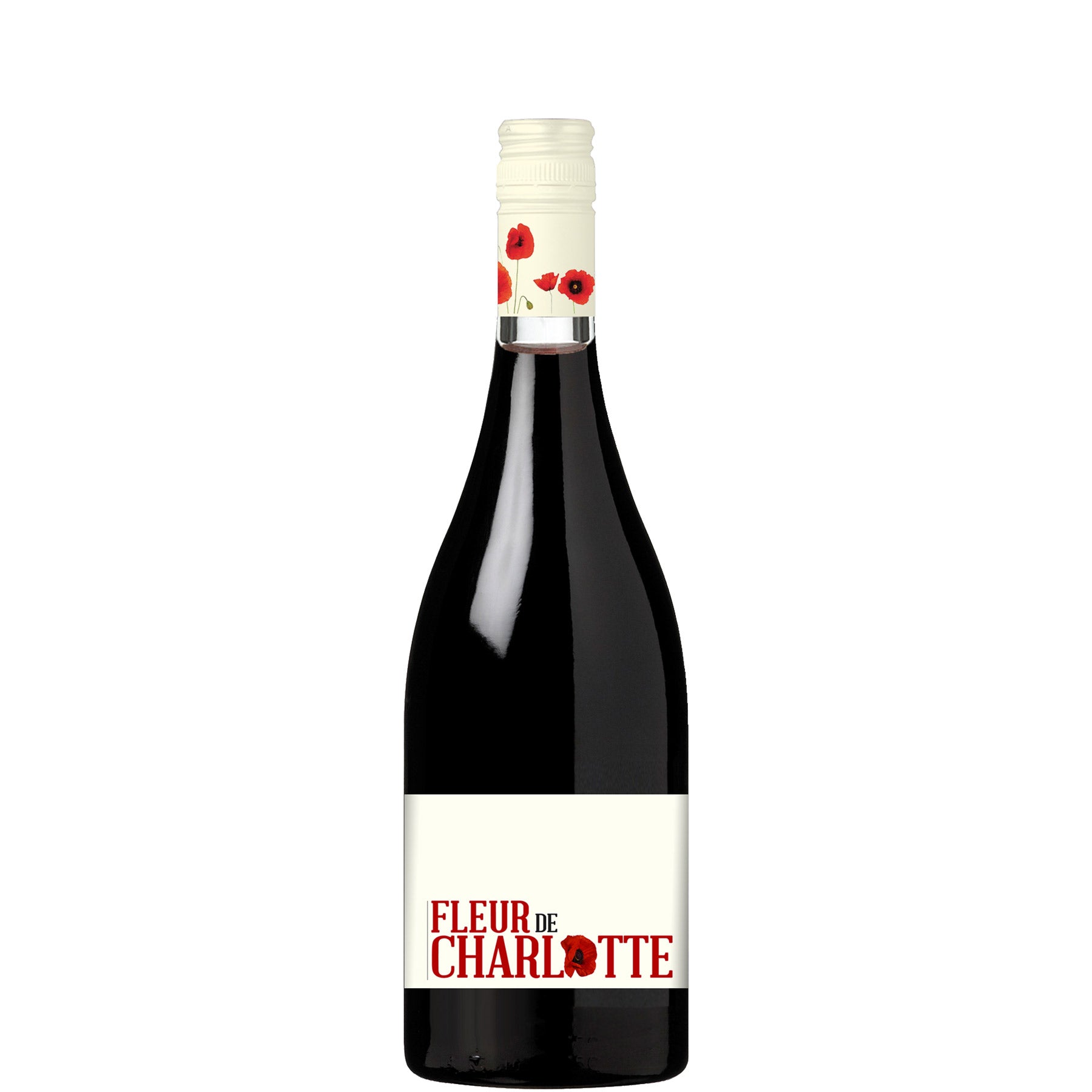

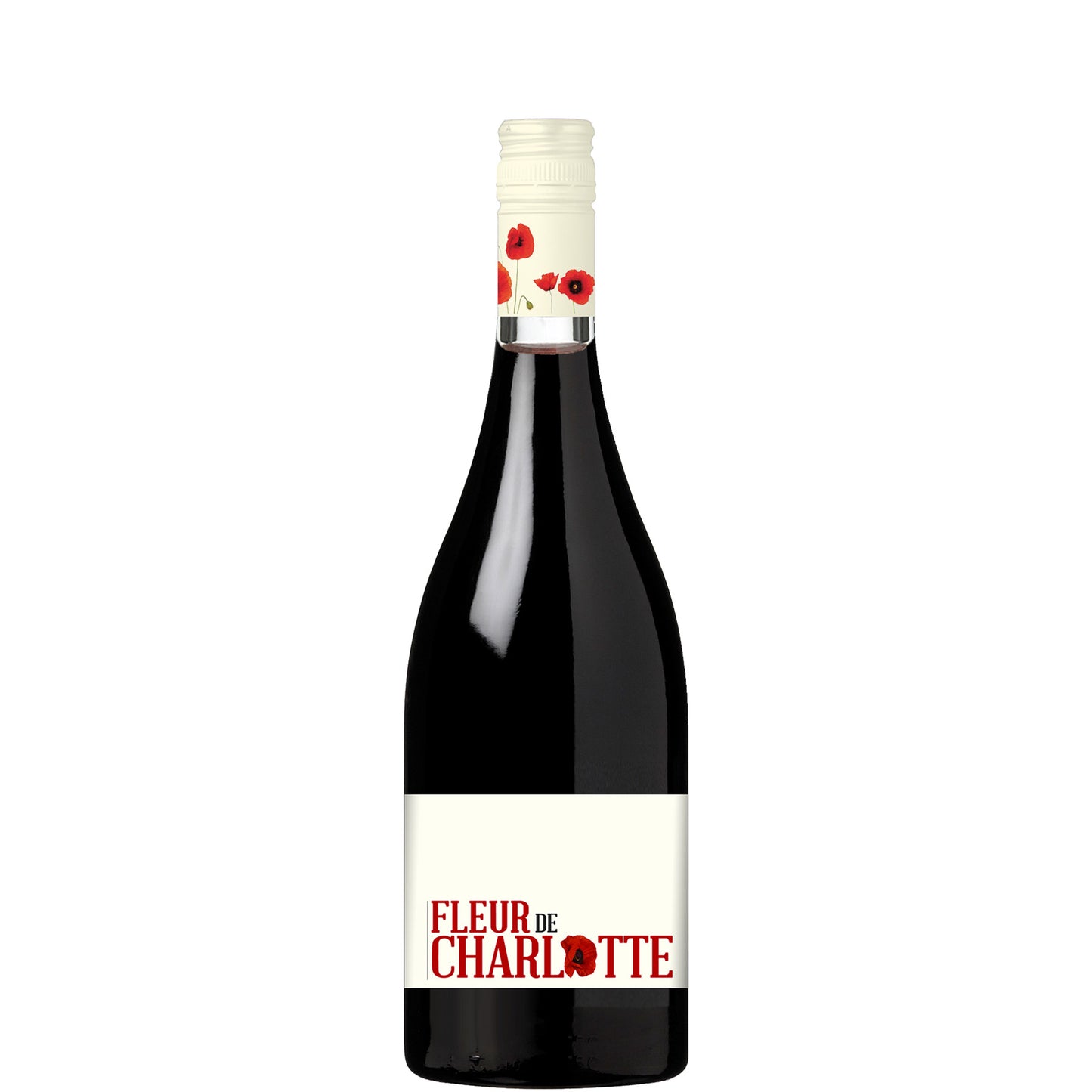
Château Canet, Fleur de Charlotte Malbec, 2025
Château Canet, Fleur de Charlotte Malbec, 2025
- Red Still
- 75.0cl
- 13.5%
- Malbec
Château Canet sits in the Lot Valley, the spiritual home of Malbec long before Argentina made it famous. The Fleur de Charlotte is their approachable, fruit-forward expression of the grape — named, one imagines, with some affection — and it wears its Cahors origins with a certain rustic elegance. Think dark plum and cherry, a whisper of violet, and that earthy, iron-tinged backbone that Lot-grown Malbec does so well when it isn't trying too hard.
This is a 2025, so it's young and lively, and we'd open it without ceremony alongside a good cassoulet or a duck confit.
- ❖ ABV: 13.5%
Grapes
Malbec
Vintage report
We'll be honest with you: 2025 is a vintage we're still getting to grips with. Cahors, like much of southwest France, faced a season shaped by the region's increasingly volatile continental climate — warm and dry spells punctuated by uneven rainfall across the growing season. What we can say with confidence is that producers who managed their vineyards carefully, particularly those on the limestone causse plateau where Malbec thrives in austere, mineral-rich soils, appear to have fared well. The key, as ever in Cahors, was water stress management and getting the timing right at harvest.
Early indications suggest wines of genuine concentration and structure — which in Cahors means Malbec with the grip and density the appellation does better than anywhere else on earth. These are not wines built for immediate gratification. If the vintage follows the pattern of other warm, well-managed years in the appellation, give the serious cuvées until 2028 at the very earliest, with the better ones having a decade or more ahead of them. We'll update this as bottles come across our desk.
Tasting Notes
AppearanceDeep ruby-purple, dense at the core and bright at the rim.
NoseDark plum and crushed cherry up front, with violet florals and a background note of damp earth and iron. It's expressive without being showy — very much Cahors rather than Mendoza.
PalateMedium to full-bodied with soft, approachable tannins and good acidity keeping things lively. The fruit is generous — ripe black cherry and blackberry — with a savoury, earthy undercurrent that reminds you where you are. Fresh and well-balanced for a 2025.
FinishClean and persistent, with a faint mineral edge and a touch of black pepper on the close.
Overall impressionA confident, honest Cahors Malbec that prioritises charm over muscle.
Food Pairings
In the Lot Valley, this is duck country — confit de canard, magret with a simple pan sauce, or a proper cassoulet are the natural companions. The locals would also reach for this alongside a daube or a slow-braised lamb shoulder with garlic and thyme. Truffles from the Périgord are a short drive away, and a Malbec like this alongside a truffle omelette is not something to be dismissed. Charcuterie boards heavy with rillettes and pâté work well too, particularly with the wine's earthy backbone to match.
We think this wine would go well with
Serve at around 16-17°C — cool enough to keep the fruit fresh, warm enough to let the earthier notes open up. A brief decant of 20-30 minutes will soften any youthful tannin and open the nose, though this isn't a wine demanding patient coaxing. A standard Bordeaux-style glass works well, giving enough room for the fruit to breathe without losing focus.
The vineyards of Cahors sit on the limestone causse plateau and the alluvial terraces of the Lot Valley, with Château Canet drawing on both clay-limestone soils and river-influenced gravel beds. The continental climate brings hot summers and cold winters, pushing Malbec towards concentrated fruit without losing freshness. The limestone in particular gives the wines that mineral, slightly iron-edged quality that sets Cahors apart from its Argentine counterpart.
Cahors is one of France's oldest wine regions, producing red wine almost exclusively from Malbec — known locally as Côt or Auxerrois — with up to 30% Merlot and Tannat permitted as supporting varieties. Historically called the 'black wine' of France for its inky depth and tannic grip, modern Cahors has softened its image considerably without losing its distinctive earthy character. It sits upstream from Bordeaux in the south-west, sharing the grape but producing wines with a more rustic, mineral edge than anything from the Gironde.
We'll be honest with you: 2025 is a vintage we're still getting to grips with. Cahors, like much of southwest France, faced a season shaped by the region's increasingly volatile continental climate — warm and dry spells punctuated by uneven rainfall across the growing season. What we can say with confidence is that producers who managed their vineyards carefully, particularly those on the limestone causse plateau where Malbec thrives in austere, mineral-rich soils, appear to have fared well. The key, as ever in Cahors, was water stress management and getting the timing right at harvest.
Early indications suggest wines of genuine concentration and structure — which in Cahors means Malbec with the grip and density the appellation does better than anywhere else on earth. These are not wines built for immediate gratification. If the vintage follows the pattern of other warm, well-managed years in the appellation, give the serious cuvées until 2028 at the very earliest, with the better ones having a decade or more ahead of them. We'll update this as bottles come across our desk.
FAQs
What does Fleur de Charlotte taste like?
Dark plum, black cherry, and violet with an earthy, iron-tinged backbone and a clean mineral finish. It's a fruit-forward Cahors Malbec — generous and approachable, but with enough character to keep things interesting.
How does this compare to Argentine Malbec?
Quite different, actually. Where Argentine Malbec tends towards riper fruit, more body, and a smoother, plummier finish, Cahors Malbec has a more rustic, earthy edge — mineral, slightly iron-inflected, and with firmer tannins. It's the ancestral home of the grape, and it shows.
When should I drink this?
Now, frankly. It's a 2025 and it's built for near-term drinking. We'd enjoy it from now until around 2030, while the fruit is vibrant and the wine is at its most expressive. No need to cellar it.
What food works best with this wine?
Duck is the classic answer — confit, magret, or a slow-braised leg. Lamb and pork work equally well, and a cassoulet alongside this is a genuinely fine thing. Don't overlook a simple charcuterie board either.
How should I serve it?
Around 16-17°C, with a short 20-30 minute decant if you have time. A standard Bordeaux glass is all you need. It doesn't demand ceremony.
Is this worth cellaring?
Not especially. The Fleur de Charlotte is designed for pleasure now, and it will drink best between 2026 and 2030. If you're after a Cahors to cellar, look to more serious, oak-aged expressions from the appellation.
Want to know more?
Discuss your requirements with our account managers, Stephanie, Ed, & Jen
-
Personal Service
- Our team are always on hand to support you, taking orders online, by phone or email & responding to urgent requests.
- Our efficient warehouse & team of drivers always go the extra mile to deliver our wines to you.
- Our new, high-capacity warehouse ensures excellent availability of wines.
- Our new enterprise platform means hassle-free service, from inventory to billing.
-
Our Sales Team
Speak to one of our teamStephanie Duncan
With 25+ years in the wine trade, Steph knows the UK market inside out, from premium wine and wholesale to hospitality and retail. A WSET Diploma holder and unapologetic Champagne fan, she loves building great relationships and finding exciting wines.
Jen Neilan
Twenty years in hospitality later, after curating the wine list for Manchester’s first Neapolitan pizza restaurant, and running a natural wine bar, Jen made the move to the other side of the table.