
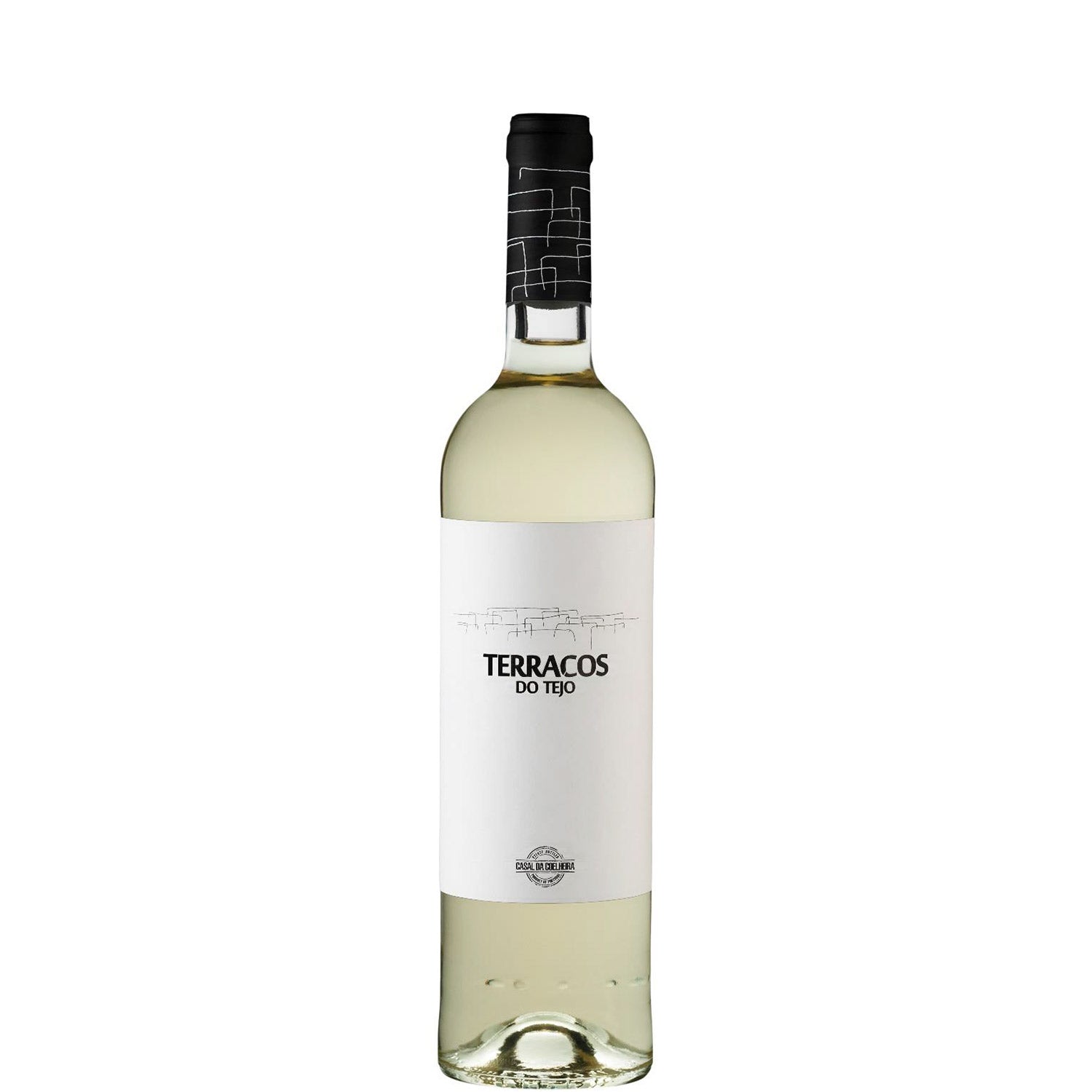

Casal da Coelheira, Terraços Do Tejo White, 2025
Casal da Coelheira, Terraços Do Tejo White, 2025
- White Still
- 75.0cl
- 13.0%
- Vegetarian
- Vegan
- Arinto, Fernão Pires
Casal da Coelheira sits in the Tejo, Portugal's broad, sun-warmed river valley inland from Lisbon, and this white is exactly what the region does best when it's on form: fresh, aromatic, and built for the table rather than the cellar. The blend is anchored by Arinto, which gives it that distinctive citrus snap and stony edge, likely lifted with some Fernão Pires for a little floral roundness. At two years old in 2026, it's drinking right in its prime.
There's an easy confidence to this wine — nothing forced, nothing over-extracted. White peach, lemon pith, and a faint saline quality that speaks to the proximity of the river. It's the sort of white that disappears fast with a plate of grilled sea bass or a bowl of clams.
- ❖ ABV: 13.0%
Grapes
Arinto, Fernão Pires
Vintage report
The 2025 vintage in Alentejo is, frankly, too recent for us to report on with the confidence we'd want — harvest wrapped up in autumn 2024 at the earliest for the 2024 wines, and 2025 fruit won't be in bottle in any meaningful volume as we write this. What we can say is that Alentejo continues to grapple with the same structural challenge it has faced for the better part of a decade: relentless summer heat that pushes alcohol and strips freshness, pushing growers to pick earlier, irrigate more carefully, and reach for higher-altitude sites. Aragonês and Trincadeira remain the backbone, with the former bringing structure and the latter providing perfume — when the vintage allows it.
Rather than dress up thin information as authoritative commentary, we'd suggest checking back as producer notes and early tastings come through later in 2025 and into 2026. What we do know is that the best Alentejo producers — those investing in canopy management and cooler fermentations — are consistently narrowing the gap between difficult years and great ones. Watch this space, and in the meantime the 2022s and 2023s are drinking very well right now.
Tasting Notes
AppearancePale gold with a greenish rim, bright and clear in the glass.
NoseWhite peach, lemon zest, and a whisper of white blossom. There's a stony, almost chalky quality underneath that lifts the whole thing and keeps it precise rather than soft.
PalateCrisp and medium-bodied, with citrus pith and ripe pear driving the mid-palate. The acidity is clean and direct — Arinto doing what Arinto does — with a faint saline quality on the back end that makes you reach for another sip.
FinishFresh and moderately long, with lemon and mineral persistence rather than fruit.
Overall impressionA confident, food-friendly white that earns its place at the table without fuss.
Food Pairings
Along the Tejo, this kind of white is the default companion to bacalhau à brás — salted cod scrambled with egg and potato — where the wine's acidity cuts through the richness cleanly. Grilled river fish, particularly perch and shad, are local staples that pair naturally with the wine's saline minerality. Amêijoas à bulhão pato, clams steamed with garlic and coriander, is another classic match from this part of Portugal, and an almost unfairly good one. On a warm evening, it works equally well with a simple plate of presunto and sheep's cheese from the Ribatejo.
We think this wine would go well with
Serve well chilled at around 8 to 10°C — this is a wine where freshness is the whole point, so don't let it warm up in the glass. No need to decant; open it and pour straight away. A standard tulip-shaped white wine glass works perfectly, though a slightly narrower aperture will help concentrate the aromatic lift if you want to make more of the nose.
The Tejo's vineyards closest to the river sit on alluvial soils — sandy, well-drained, and naturally low in fertility — which keeps yields modest and concentrates flavour without any intervention. The river itself acts as a temperature regulator, drawing in Atlantic air and cooling the vines through warm summers. The result is white wines that retain acidity and aromatic lift despite the inland heat, a balance the region's best producers know how to preserve.
Terraços do Tejo is a sub-zone of the broader Tejo DOC, covering the riverine terraces closest to the Tagus as it winds towards Lisbon. It's considered the finest part of the appellation, where cooler mesoclimates and better-drained soils produce the most characterful wines. The broader Tejo DOC is one of Portugal's larger regions and has historically been associated with high-volume production, but a generation of quality-focused estates has steadily shifted that reputation — Terraços do Tejo leading the charge.
The 2025 vintage in Alentejo is, frankly, too recent for us to report on with the confidence we'd want — harvest wrapped up in autumn 2024 at the earliest for the 2024 wines, and 2025 fruit won't be in bottle in any meaningful volume as we write this. What we can say is that Alentejo continues to grapple with the same structural challenge it has faced for the better part of a decade: relentless summer heat that pushes alcohol and strips freshness, pushing growers to pick earlier, irrigate more carefully, and reach for higher-altitude sites. Aragonês and Trincadeira remain the backbone, with the former bringing structure and the latter providing perfume — when the vintage allows it.
Rather than dress up thin information as authoritative commentary, we'd suggest checking back as producer notes and early tastings come through later in 2025 and into 2026. What we do know is that the best Alentejo producers — those investing in canopy management and cooler fermentations — are consistently narrowing the gap between difficult years and great ones. Watch this space, and in the meantime the 2022s and 2023s are drinking very well right now.
FAQs
What does this wine taste like?
Fresh and crisp, with white peach, citrus zest, and a stony, saline quality on the finish. It's light to medium-bodied with clean acidity — Arinto-driven, precise, and built for food.
When should I drink this wine?
Now, without hesitation. It's in its prime in 2026 and will stay fresh until around 2028. This isn't a wine to sit on — the freshness is the whole point.
What food should I pair it with?
Anything from the sea works brilliantly: grilled fish, clams, salt cod, or simple seafood pasta. It's equally happy alongside a platter of cured meats and cheese. If you're keeping it Portuguese, try it with amêijoas à bulhão pato and a hunk of good bread.
How should I serve it?
Serve it well chilled — around 8 to 10°C. No need to decant. A standard white wine glass is all you need. If it warms up in the glass, it loses its best quality, so keep the bottle in an ice bucket.
Is this worth cellaring?
No. This is a drink-young white where freshness and aromatics are everything. There's no reward in waiting — it won't develop interesting complexity with age, and the things that make it good will fade. Open it soon.
What makes Terraços do Tejo different from the rest of the Tejo region?
Terraços do Tejo covers the riverine terraces closest to the Tagus, where the river's cooling influence and better-drained soils produce wines with noticeably more character and freshness than the broader, hotter inland parts of the Tejo DOC. It's considered the quality heartland of the appellation.
Want to know more?
Discuss your requirements with our account managers, Jeremy & Jen

-
Personal Service
- Our team are always on hand to support you, taking orders online, by phone or email & responding to urgent requests.
- Our efficient warehouse & team of drivers always go the extra mile to deliver our wines to you.
- Our new, high-capacity warehouse ensures excellent availability of wines.
- Our new enterprise platform means hassle-free service, from inventory to billing.
-
Our Sales Team
Speak to one of our teamJeremy Cowan
After managing his own stores and a further stint in independent retail, Jeremy has dedicated 12 years to trade sales in the North West.
Jen Neilan
Twenty years in hospitality later, after curating the wine list for Manchester’s first Neapolitan pizza restaurant, and running a natural wine bar, Jen made the move to the other side of the table.