
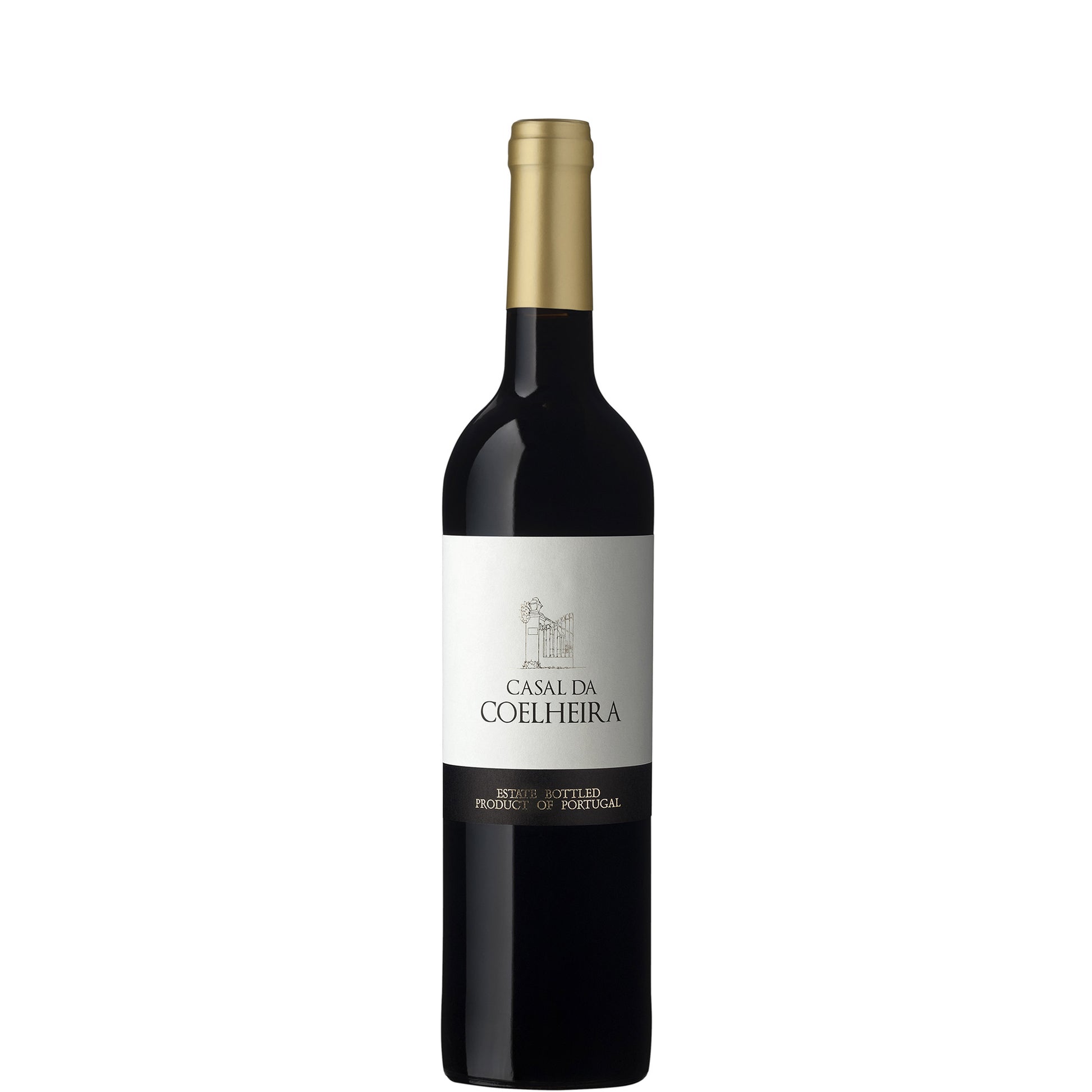

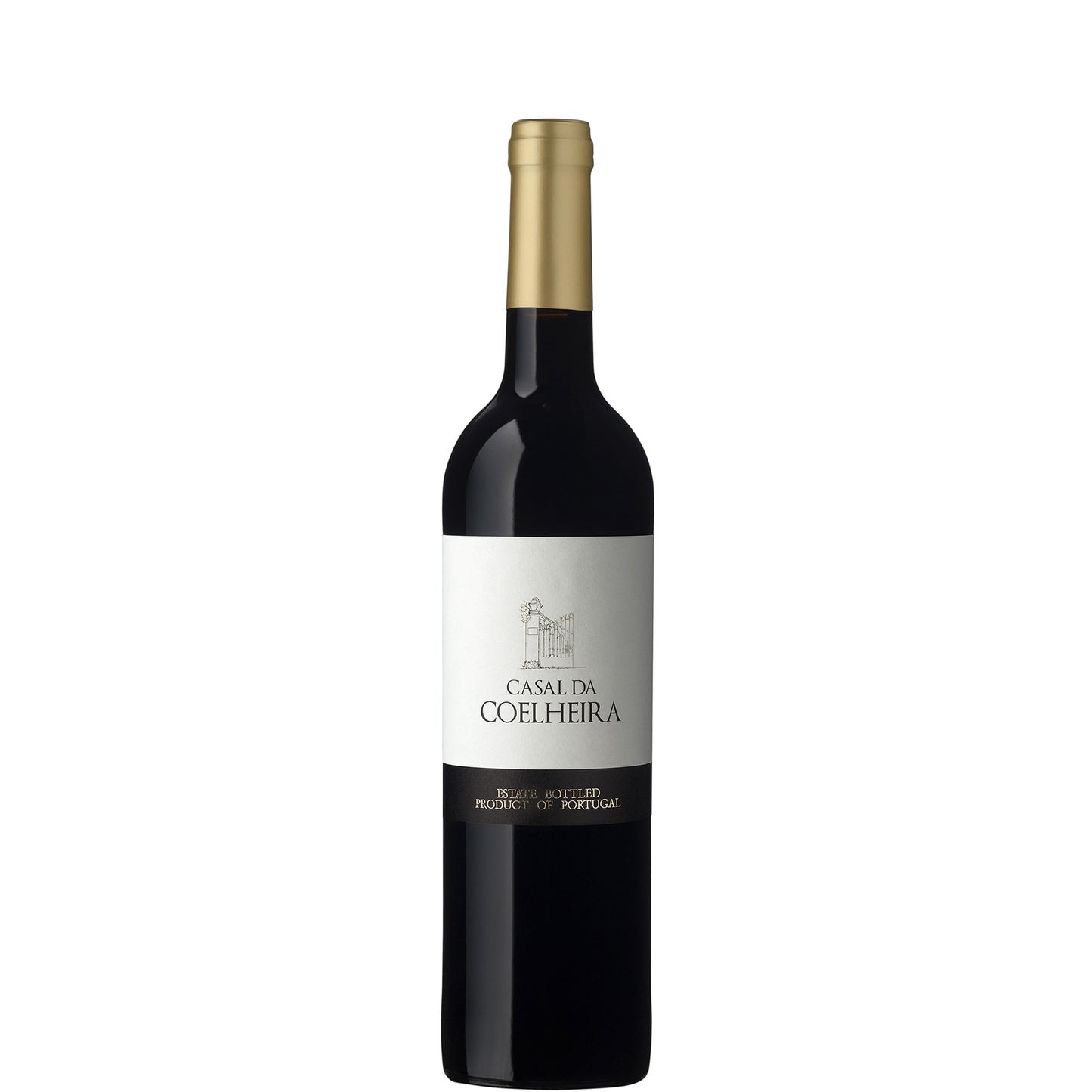
- Red Still
- 75.0cl
- 13.5%
- Vegetarian
- Vegan
- Castelão, Touriga Nacional, Syrah
Casal da Coelheira's Red is a modern expression of the Tejo region, blending Touriga Nacional, Touriga Franca and Alicante Bouschet to produce a wine that's generous, balanced and effortlessly drinkable. Partly matured in American oak, it combines ripe fruit with subtle spice while retaining the freshness that makes Portuguese reds such reliable food wines.
Expect aromas of blackberry, plum and dark cherry, complemented by hints of toasted oak, pepper and Mediterranean herbs. The palate is smooth and medium-bodied, with ripe, polished tannins, vibrant black fruit and a touch of spice leading to a long, rounded finish. Equally at home with grilled meats, roast chicken or mature cheeses, it's an approachable red that's ready to enjoy now and will continue to drink well over the next few years.
- ❖ ABV: 13.5%
Grapes
Castelão, Touriga Nacional, Syrah
Vintage report
Tejo in 2023 sat within a broader Portuguese vintage shaped by a warm, dry growing season — the kind that demands careful attention in the vineyard but rewards those who got the timing right. The region's continental interior meant heat accumulation was significant through the summer, and water stress was a real factor for less well-positioned sites. Producers who managed canopy and yields carefully harvested fruit with good concentration and ripe, well-integrated tannins; those who pushed their luck into the heat got something coarser. It was a vintage that sorted the attentive from the complacent.
The results lean toward richness rather than freshness — Castelão, Touriga Nacional, and Aragonez all produced wines with real body and depth, though the better examples hold onto enough acidity to give them shape and life. Whites from Fernão Pires and Arinto came in aromatic and full, best drunk sooner rather than later. The reds are drinking well now and will continue to do so over the next three to five years, with the more seriously made wines having room to settle until 2028 or beyond.
Tasting Notes
AppearanceMedium ruby with a bright, youthful rim and good clarity.
NoseRipe red plum and morello cherry lead, with dried thyme and a faint suggestion of warm earth underneath. There's a subtle iron or graphite edge that adds interest without complicating things.
PalateMedium-bodied and juicy, with the fruit staying true to the nose — plum, cherry, a touch of dried fig. The tannins are soft and well-integrated, and a gentle savoury quality on the mid-palate gives the wine its character.
FinishClean and of medium length, with lingering red fruit and a faint herbal dryness that invites another sip.
Overall impressionAn unpretentious, well-made Tejo red that knows exactly what it wants to be.
Food Pairings
In the Tejo, this kind of wine would be poured alongside bacalhau assado — salt cod roasted with potatoes and olive oil — or a slow-braised lamb stew seasoned with piri piri and bay leaves. Grilled black pork from the Alentejo border is another natural match, as is a plate of chouriço cooked in aguardente at the table. The locals also eat a lot of freshwater fish from the Tagus itself, and a lightly chilled glass of this with grilled river trout is more successful than you might expect.
We think this wine would go well with
Serve at around 16°C — slightly cooler than you might think, which keeps the fruit lifted and the tannins feeling nimble. This wine doesn't need decanting; just open and pour, perhaps 15 minutes before serving if you want to let it breathe briefly. A standard Bordeaux-style glass works well, giving enough room for the nose to open without over-aerating a wine of this weight.
The Tejo's vineyards are shaped by the river itself, with alluvial soils of sand, silt, and clay dominant on the flatter ground closer to the water, shifting to sandier loams and some limestone on the higher terraces. The continental climate here brings hot, dry summers and cool nights, which help preserve freshness and aromatic lift in the grapes. This combination of fertile soils and thermal variation encourages wines that are ripe and fruit-forward but not overblown, with a natural approachability that defines the regional style.
The Tejo DOC covers a large swath of central Portugal along the Tagus river valley, historically known as Ribatejo. It permits a wide range of both indigenous varieties, such as Castelão, Fernão Pires, and Arinto, and international ones including Syrah and Cabernet Sauvignon, giving producers considerable latitude in how they blend. Compared to the Douro or Alentejo, Tejo tends to produce wines of slightly lighter body and fresher character, benefiting from Atlantic influence that tempers the summer heat. It remains one of Portugal's more undersung regions, which is part of its charm.
Tejo in 2023 sat within a broader Portuguese vintage shaped by a warm, dry growing season — the kind that demands careful attention in the vineyard but rewards those who got the timing right. The region's continental interior meant heat accumulation was significant through the summer, and water stress was a real factor for less well-positioned sites. Producers who managed canopy and yields carefully harvested fruit with good concentration and ripe, well-integrated tannins; those who pushed their luck into the heat got something coarser. It was a vintage that sorted the attentive from the complacent.
The results lean toward richness rather than freshness — Castelão, Touriga Nacional, and Aragonez all produced wines with real body and depth, though the better examples hold onto enough acidity to give them shape and life. Whites from Fernão Pires and Arinto came in aromatic and full, best drunk sooner rather than later. The reds are drinking well now and will continue to do so over the next three to five years, with the more seriously made wines having room to settle until 2028 or beyond.
FAQs
What does Casal da Coelheira Red taste like?
It's a juicy, medium-bodied red with ripe plum and cherry fruit, dried herbs, and a gentle earthy, iron-tinged quality that keeps it interesting. The tannins are soft and it finishes cleanly with a nice savoury edge.
When should I drink the 2023 vintage?
Now is perfect. This is a wine built for near-term pleasure and it's already drinking very well. We'd enjoy it over the next three to four years, ideally before 2030, while the fruit is still vibrant.
What food works well with this wine?
It's a versatile table wine that earns its keep with grilled meats, roast lamb, slow-cooked pork, or Portuguese classics like bacalhau assado. Aged cheeses and cured meats work well too if you're keeping things informal.
Should I decant it?
No need. This is a straightforward, accessible red that opens up quickly in the glass. If anything, just let it sit open for ten or fifteen minutes before pouring.
Is this wine worth cellaring?
Not particularly. It's made for pleasure now rather than patience later. The soft tannins and fresh fruit character are at their best in the near term, and waiting too long will work against rather than for it.
What grapes go into this wine?
The exact blend isn't always declared, but wines like this from Casal da Coelheira typically draw on Castelão, one of the Tejo's signature indigenous varieties, alongside Touriga Nacional for structure and possibly Syrah for added depth. It's a blend that reflects the region's flexibility and its confidence with both local and international grapes.
Want to know more?
Discuss your requirements with our account managers, Stephanie, Ed, & Jen
-
Personal Service
- Our team are always on hand to support you, taking orders online, by phone or email & responding to urgent requests.
- Our efficient warehouse & team of drivers always go the extra mile to deliver our wines to you.
- Our new, high-capacity warehouse ensures excellent availability of wines.
- Our new enterprise platform means hassle-free service, from inventory to billing.
-
Our Sales Team
Speak to one of our teamStephanie Duncan
With 25+ years in the wine trade, Steph knows the UK market inside out, from premium wine and wholesale to hospitality and retail. A WSET Diploma holder and unapologetic Champagne fan, she loves building great relationships and finding exciting wines.
Jen Neilan
Twenty years in hospitality later, after curating the wine list for Manchester’s first Neapolitan pizza restaurant, and running a natural wine bar, Jen made the move to the other side of the table.