

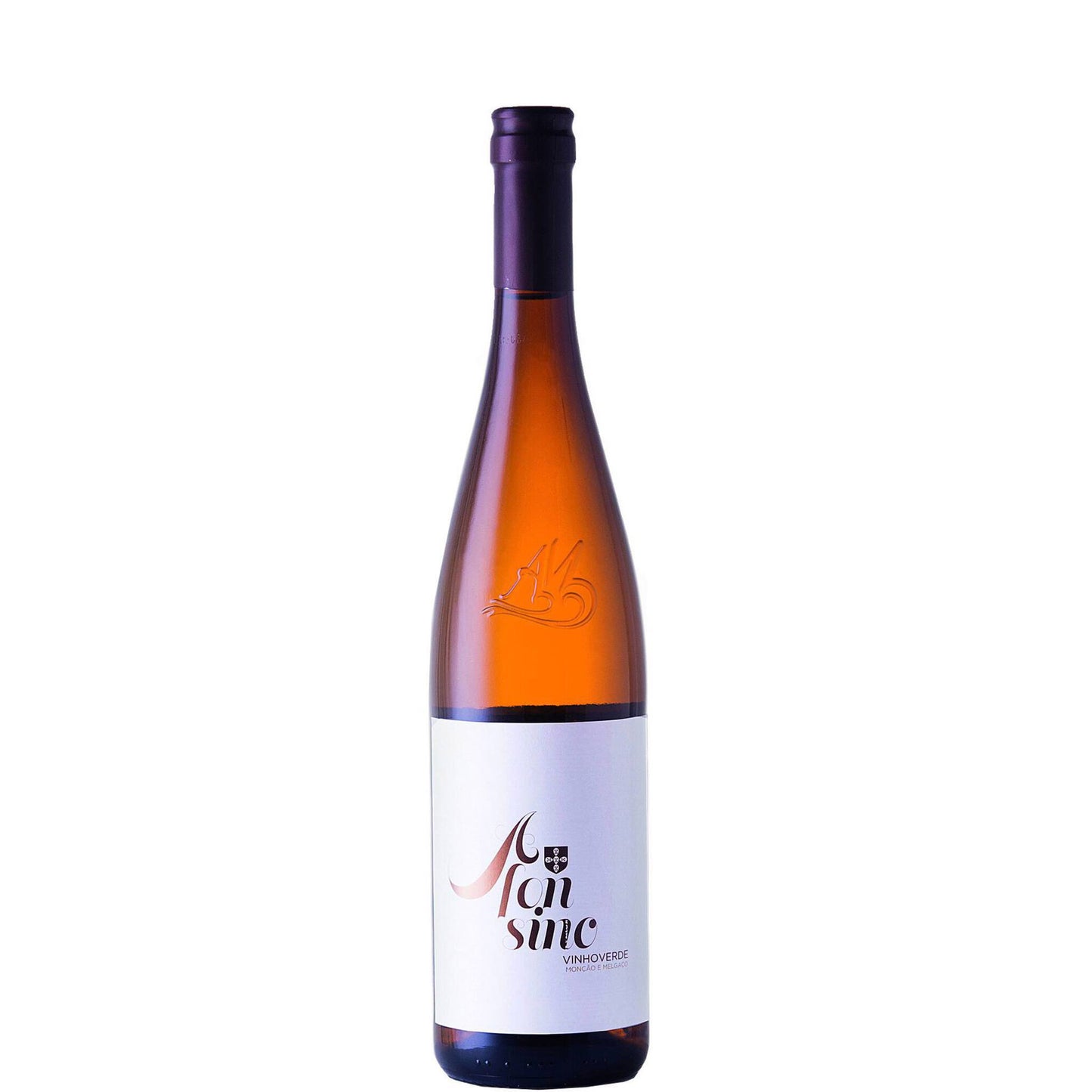
Avenida da Adega, Afonsino Vinho Verde, 2025
Avenida da Adega, Afonsino Vinho Verde, 2025
- White Still
- 75.0cl
- 11.5%
- Loureiro, Trajadura, Arinto
Adega Cooperativa de Monção is one of the most respected co-operatives in the Minho, based in the far north of Portugal where the Minho river forms the border with Galicia. Their Afonsino Vinho Verde is exactly what the region does best: bright, light, and built for the table, made from indigenous grapes that thrive in the cool, Atlantic-kissed vineyards around Monção. It's bone dry, low in alcohol, and carries that characteristic mineral freshness — a wine that makes you reach for the next glass almost before you've finished the first.
Drink it young, drink it cold, and drink it with food. This is the 2025 vintage, which means it's in exactly the right place right now.
- ❖ ABV: 11.5%
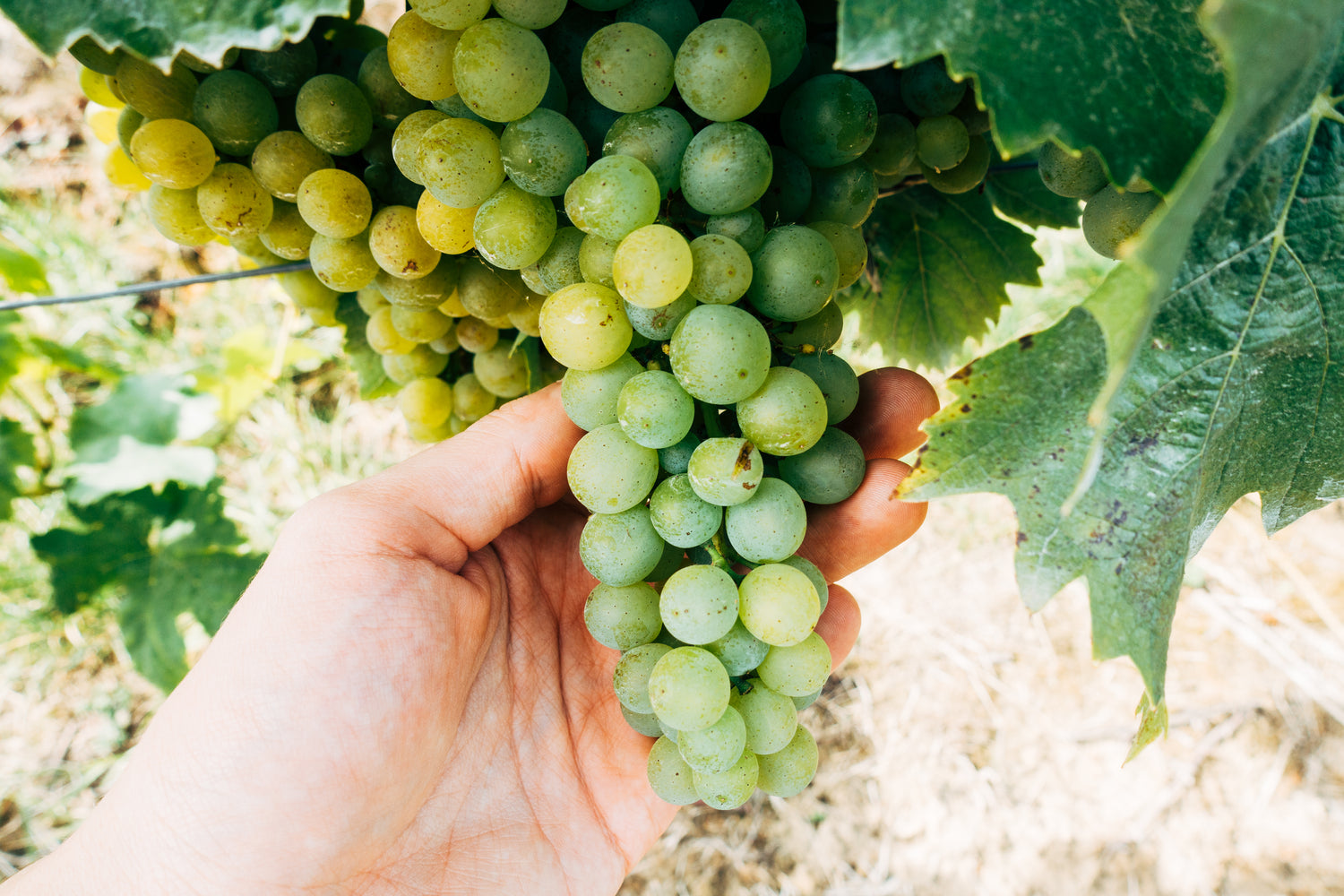
Grapes
Loureiro, Trajadura, Arinto
Vintage report
The honest truth about 2025 in Dão is that, at the time of writing, the vintage is still very much settling into bottle — and detailed retrospective analysis is thin on the ground. What we do know is that the region experienced a dry, warm growing season broadly in line with the wider Iberian pattern, with growers managing canopy and water stress carefully through the summer months. The granite soils and altitude that define Dão's best sites — Besteiros, Serra da Estrela's foothills, Silgueiros — gave the vines a fighting chance, holding on to freshness where flatter, lower-lying plots would have struggled.
Early indications suggest the reds, led by Touriga Nacional and Alfrocheiro, have real concentration and structure, the kind that rewards patience rather than immediate gratification. Encruzado, Dão's great white grape, appears to have retained its characteristic mineral grip and energy despite the heat. Whether 2025 emerges as a truly exciting vintage or a very good one depends on the producer — as it almost always does here. Our instinct is to give the reds until at least 2027 or 2028 before drawing serious conclusions, and to drink the whites now with genuine pleasure.
Tasting Notes
AppearancePale lemon with a faint silvery edge and good clarity.
NoseFresh and clean, with green apple skin, white citrus blossom, and just a touch of crushed stone. There's a gentle floral lift from the Loureiro that gives it personality without fuss.
PalateLight-bodied and racy, with real citrus drive and a pleasing saline quality that keeps everything lively. The acidity is the star — bright, mouthwatering, and clean rather than sharp.
FinishShort and crisp with a mineral, almost chalky snap that makes you want another sip immediately.
Overall impressionUnashamedly simple and all the better for it — this is the kind of wine that exists to be enjoyed, not analysed.
Food Pairings
In the Minho, this is the wine you open with a plate of percebes — those extraordinary barnacle-like shellfish pulled from the Atlantic rocks — or a bowl of grilled sardines with good olive oil and cornbread. Bacalhau à Braga, baked salt cod with potatoes and onions, is another classic match: the wine's acidity cuts through the richness of the fish beautifully. Caldo verde, the simple potato and kale soup finished with chouriço, is also a natural partner. And if you find yourself in Monção with a platter of presunto and local cheese, this is exactly the wine to pour.
We think this wine would go well with
Serve well chilled at around 7-9°C — this is a wine that opens up in the glass rather than warming up, so don't be shy with the ice bucket. No need to decant; pour straight from the bottle. A standard white wine glass works perfectly, though a slightly narrower aperture will focus the floral aromatics nicely if you want to make the most of the nose.
The vineyards around Monção sit close to the Spanish border on granite-rich soils, which drain well and give the wines their characteristic mineral spine. The climate here is Atlantic-influenced — warm enough for good ripeness, but with reliable rainfall and cool nights that preserve acidity and keep alcohol in check. The traditional training system, with vines grown high on pergolas, allows air to circulate beneath the canopy and keeps the grapes fresh in what can be a damp growing season.
Vinho Verde is a vast DO covering the entire Minho region in northwest Portugal, producing wines that are almost always white, always high in acidity, and typically low in alcohol. The name refers not to colour but to the idea of youth — these are wines made to be drunk young and fresh. Within the DO, Monção is a prized sub-region, particularly famous for Alvarinho, but blended Vinho Verde made from Loureiro, Trajadura, and Arinto remains the everyday workhorse of the appellation and one of the great food wines of Europe.
The honest truth about 2025 in Dão is that, at the time of writing, the vintage is still very much settling into bottle — and detailed retrospective analysis is thin on the ground. What we do know is that the region experienced a dry, warm growing season broadly in line with the wider Iberian pattern, with growers managing canopy and water stress carefully through the summer months. The granite soils and altitude that define Dão's best sites — Besteiros, Serra da Estrela's foothills, Silgueiros — gave the vines a fighting chance, holding on to freshness where flatter, lower-lying plots would have struggled.
Early indications suggest the reds, led by Touriga Nacional and Alfrocheiro, have real concentration and structure, the kind that rewards patience rather than immediate gratification. Encruzado, Dão's great white grape, appears to have retained its characteristic mineral grip and energy despite the heat. Whether 2025 emerges as a truly exciting vintage or a very good one depends on the producer — as it almost always does here. Our instinct is to give the reds until at least 2027 or 2028 before drawing serious conclusions, and to drink the whites now with genuine pleasure.
FAQs
What does this wine taste like?
Crisp, light, and refreshing — think green apple, white citrus, and a saline, stony minerality on the finish. It's dry, lively, and built around bright acidity rather than fruit weight. Exactly what Vinho Verde should be.
When should I drink it?
Now, ideally. This is the 2025 vintage and it's in perfect shape right now. We'd drink it through to the end of 2027, but there's no benefit in waiting. Fresh and young is the whole point.
What food should I pair it with?
Seafood is the obvious answer — grilled sardines, clams, salt cod, or simply good prawns with lemon. It's also brilliant with lighter pasta dishes, fresh goat's cheese, or just a bowl of olives on a summer afternoon.
How should I serve it?
Cold. Properly cold — around 7-9°C. Pop it in an ice bucket for 20 minutes before serving. No need to decant; just pour and enjoy. A standard white wine glass does the job perfectly.
Is it worth cellaring?
No — and that's not a criticism. Vinho Verde like this is built for immediacy, not the cellar. The freshness and zip that make it so enjoyable will fade after a couple of years, so drink it young and drink it with food.
Who makes it?
Adega Cooperativa de Monção, one of the more respected co-operatives in northern Portugal's Minho region, founded in 1958. They draw on growers across the Monção sub-region and have a solid reputation for quality and consistency at accessible prices.
Want to know more?
Discuss your requirements with our account managers, Jeremy & Jen
-
Personal Service
- Our team are always on hand to support you, taking orders online, by phone or email & responding to urgent requests.
- Our efficient warehouse & team of drivers always go the extra mile to deliver our wines to you.
- Our new, high-capacity warehouse ensures excellent availability of wines.
- Our new enterprise platform means hassle-free service, from inventory to billing.
-
Our Sales Team
Speak to one of our teamJeremy Cowan
After managing his own stores and a further stint in independent retail, Jeremy has dedicated 12 years to trade sales in the North West.
Jen Neilan
Twenty years in hospitality later, after curating the wine list for Manchester’s first Neapolitan pizza restaurant, and running a natural wine bar, Jen made the move to the other side of the table.