
Over the past few years, the landscape of wine consumption has been changing. Increasingly, customers are seeking moderation and flexibility without sacrificing the social or sensory experience of enjoying a glass of wine. January, and in particular Dry January, highlights this move and for hospitality it represents a opportunity to expand your offering and capture sales that might otherwise be lost.
Production for these wines use methods that remove or reduce alcohol while retaining the flavour profile, body, and aroma of traditional wines. They can either be Low-alcohol wines, which are typically reduced to 1–5% ABV, offering a lighter, approachable experience while keeping the characteristics of the original wine. Or De-alcoholised wines, where the alcohol is carefully removed after fermentation, leaving wines around 0–0.5% ABV. These wines preserve varietal identity and complexity, making them suitable for serious wine drinkers seeking moderation.
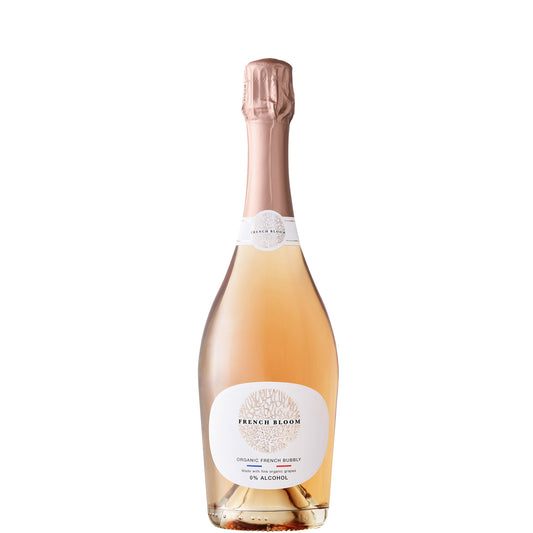
With advancements in these production techniques, the low and no alcohol wines are no longer a niche product or a sweet grape juice served in a wine bottle. The wines now have varietal character, complexity, and flavour comparable to their alcoholic counterparts and come in a range of styles, sparkling, rosé, white, and red, giving us flexibility to create diverse and inclusive wine lists.
By including low and no alcohol wines on your wine list, you can cater to a broader customer base, maintain by-the-glass revenue, and demonstrate inclusivity and forward-thinking service.
-
Maintain By-the-Glass Revenue
January can be quieter for traditional wine sales, especially after the festive season. Offering low- and no-alcohol wines ensures guests can still enjoy wine by the glass, keeping turnover high. -
Cater to Changing Consumer Preferences
Guests increasingly seek moderation, healthier options, or alcohol-free alternatives. Providing these options helps retain customers who might otherwise leave without ordering a drink. -
Enhance Food Pairing Opportunities
Low- and no-alcohol wines can be paired with dishes in the same way as traditional wines. Sparkling options complement seafood, starters, and lighter brunch menus, while fuller-bodied reds or whites can accompany heartier mains or winter comfort foods. -
Upsell and Showcase Your Expertise
Creating tasting flights, seasonal menus, or special pairings featuring low- and no-alcohol wines provides a premium experience, demonstrating your expertise and encouraging guests to explore new options. -
Boost Inclusivity and Brand Perception
Having professional, varietal-driven alcohol-free wines signals that your venue is modern, inclusive, and responsive to trends. It allows everyone, including designated drivers or sober-curious guests, to enjoy the ritual and social aspects of wine.
Practical Tips for Introducing Low- and No-Alcohol Wines
- Highlight on the Menu: Give these wines prominence with a dedicated section or icon to draw attention.
- Offer by the Glass: Smaller measures encourage trial and experimentation without commitment.
- Train Your Staff: Equip your team with tasting notes, serving suggestions, and pairing ideas to confidently recommend these wines.
- Create Occasions: Feature alcohol-free options in tasting flights, brunch menus, or special promotions to boost engagement and revenue.
- Pair Thoughtfully: Sparkling wines work well with starters or brunch; crisp whites pair with salads and seafood; light reds complement roasted mains or vegetarian dishes.
In 2026, offering high-quality, varietal-driven low- and no-alcohol wines allows your venue to cater to all guests, on every occasion, and for every preference, ensuring that no one is left out of the wine experience.